Service
Basket
Menu
Get 5% off pet beds and cushions with code AUTUMN! Read more

Acorns are toxic to your dog. Please beware during forest walks!

Written by Anne |

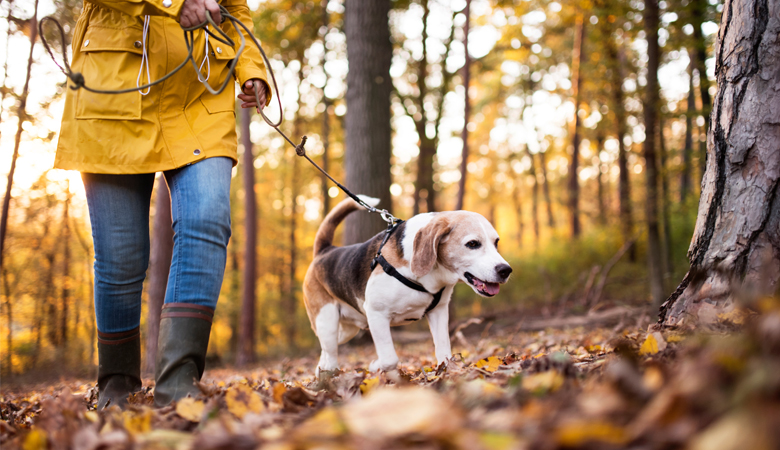
Autumn has started and acorns are falling off the threes in bunches. A lot of dogs find it amusing and fun to play with these oak nuts and can sometimes even eat them. Please beware of this as a pet owner, because acorns contain a toxic substance!
autumn

Acorns and Dogs

Not all dog owners know that the chewing of eating of acorns is toxic and can be dangerous to their dog. Oak nuts and oak leaves contain a toxic substance called tannic acid. When your dog consumes a lot of tannic acid, this will cause stomach issues, diarrhoea and vomiting. Unfortunately, in extreme cases, an overdose can even lead to renal failure and death as a result. So keep this in mind when making your forest walk!

Tannic acid is not the only reason why acorns are dangerous to dogs. When sharp oak nuts are consumed, the intestines can get constipated. Furthermore, the thin membrane which surrounds the intestines can also be irritated by the sharp edge of these nuts.

Relevant products

Pine cones and dogs

Pine cones and chestnuts (Castanea sativa) are not toxic, which means they don’t contain a poisonous substance. However, these are often swallowed by dogs while playing in the park or forest. Pine cones and chestnuts can also lead to constipation and gastrointestinal issues. This sometimes leads to mandatory surgical procedures. Vetsend recommends you to teach your dog not to play with pine cones or chestnuts. You can learn your dog commands such as “drop it” or “leave it” to prevent this from happening.

Horse chestnuts (Aesculus hippocastanum) are poisonous though.

Watch out for poisonous mushrooms

In addition to acorns, mushrooms are another autumn hazard for dogs. Some mushrooms are highly toxic, even in small amounts. Examples include the fly agaric, death cap, deadly webcap and devil’s bolete. Because it is difficult to distinguish between poisonous and non-poisonous species, it is important never to allow your dog to nibble on or sniff mushrooms.

Symptoms of mushroom poisoning can range from vomiting, diarrhoea and abdominal pain to severe damage to the liver, kidneys or nervous system. Has your dog eaten a mushroom? Contact your vet immediately so that appropriate measures can be taken. In autumn, it is wise to keep your dog on a lead in areas where many mushrooms grow, especially if your dog tends to eat things outside.

Your pet’s health

Are you looking for more products to keep your dog healthy, then have a look at our dogs category.

Sign up for our newsletter!

Relevant blog posts

Autumn with your dog: 5 tips

Autumn is a beautiful season to enjoy together with your dog. Colourful leaves, fresh air and long walks make this time of year special. However, autumn also comes with challenges, such as rain, colder temperatures, darker days and hazards along the way. With these 5 tips, you can ensure your dog stays safe and comfortable, both outdoors and at home.

Border Collie lying in autumn leaves

Dog coat care during the autumn moult

As the days grow shorter and temperatures drop, your dog's coat changes too. Many dogs begin to shed in autumn to make way for their winter coat. During this autumn moult, you may suddenly find much more hair around the house and the brush may fill up more quickly than usual. Good coat care helps remove loose hair, prevent tangles and keep the skin and coat healthy. But how exactly does the autumn moult work, when does a dog develop its winter coat and how often should you brush your dog?

A raincoat for your dog

Rain, wind and a dog that still needs to go outside: as a dog owner, there is no escaping it. While we put on our raincoat or take an umbrella, your dog usually just walks through the rain. Fortunately, their coat can cope perfectly well with a shower. Even so, a raincoat for your dog can sometimes be very useful. Not only to protect them from rain and wind, but also to keep their coat much cleaner and drier. That means much less drying off after your walk! But when should you use a raincoat for your dog and which one should you choose? We will help you get started.

More tips