Service
Basket
Menu
5% off grooming products with code CARE5 Read more

Which food is best for cats with urinary crystals?

Written by Sjoerd |

If your vet has told you that your cat has urinary crystals, they may recommend a special diet to help dissolve or prevent them. The right urinary cat food depends on the type of crystal your cat has, as different crystals need different nutritional support. In this article, we explain the main types of urinary crystals in cats and which diets may be suitable.
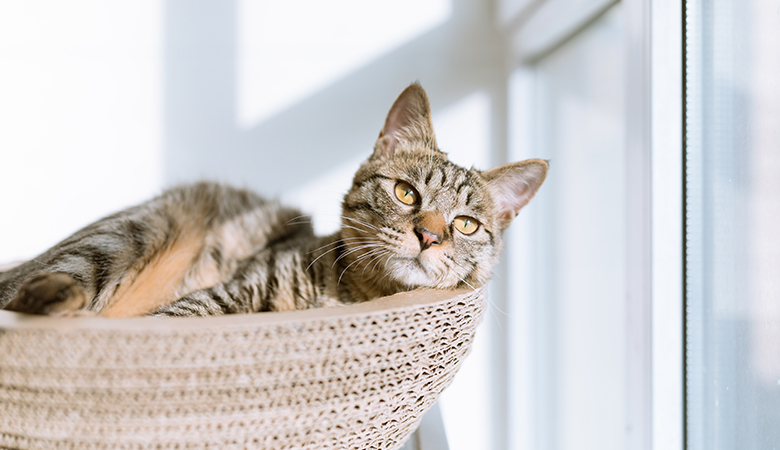
welk voer voor een kat met blaasgruis

What are urinary crystals in cats?

Urinary crystals form in your cat’s urine. These crystals can irritate the bladder wall and may lead to a bladder infection. They can also clump together into stones, which may cause further irritation or, in some cases, a blockage. Your vet can detect crystals through microscopic urine analysis. Stones are usually visible on an X-ray or ultrasound of the bladder.

Cats can develop different types of urinary crystals. The most common are struvite crystals and calcium oxalate crystals.
Relevant products

Struvite crystals

Calcium oxalate crystals

Calcium oxalate crystals form in acidic urine with a low pH. They are created when calcium and oxalate combine. If calcium oxalate stones form, they cannot be dissolved with food and must be surgically removed. However, their formation can be prevented with appropriate nutrition.

Which diet should I feed my cat with urinary crystals?

Different urinary crystals form under different conditions, so the best food for your cat depends on the type of crystal your vet has identified. A urine test is essential before choosing a suitable urinary diet.

Food for struvite crystals

Food for cats with struvite crystals is usually designed to lower urinary pH, dilute the urine and contain fewer minerals that can contribute to crystal formation.

Examples include:

Food for calcium oxalate crystals

If your cat has calcium oxalate crystals, they need a different diet from a cat with struvite crystals. These are usually renal diets that are low in calcium and phosphorus.

Examples include:

Combination diets for struvite and calcium oxalate

Urinary issues and bladder stones in cats can be complex, with contributing factors such as stress or obesity. Some cats may even suffer from both types of crystals. For these situations, combination diets are available to support both types.

Examples include:

Stress can play a role in crystal formation. Hill’s has developed Hill’s c/d Urinary Stress to support both urinary health and stress management.

Frequently asked questions about urinary crystals in cats

How do I know which urinary diet my cat needs?

The right diet depends on the type of crystal your cat has. A vet needs to identify this with a urine test before you choose a suitable diet.

Can food dissolve urinary crystals in cats?

Only struvite crystals or stones can be dissolved with a specialised diet. Calcium oxalate stones cannot be dissolved with food and must be surgically removed if they form.

Does wet food help cats with urinary crystals?

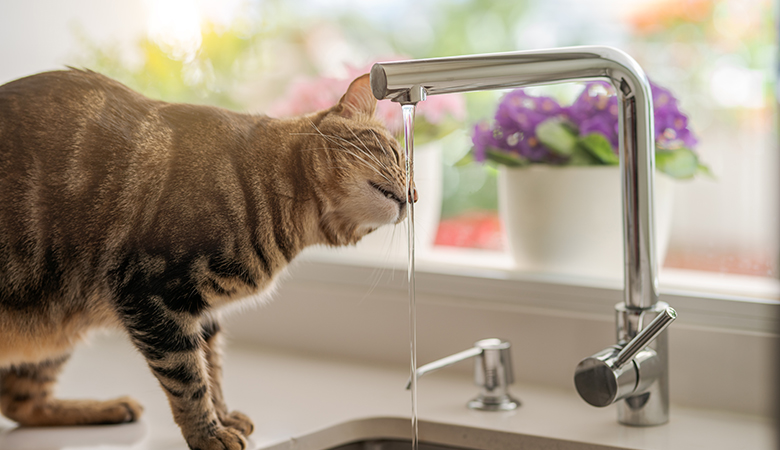
Wet food can help increase fluid intake. This may be useful because cats naturally drink very little, which can lead to highly concentrated urine and promote crystal formation.

What can I do if my cat will not eat urinary food?

If your cat is picky, you can try a urinary diet trial pack. You can also discuss suitable alternatives with your vet, especially if your cat is already on a therapeutic diet for another condition.

Should I change my cat’s food without speaking to a vet?

No. Always follow your vet’s advice before starting or changing a therapeutic diet, because the right food depends on the type of crystal and your cat’s overall health.

Additional ways to support your cat

Several factors can contribute to urinary crystals in cats, including obesity, lack of physical activity, genetic predisposition, insufficient water intake and a high-sodium diet.

For cats that are overweight, you may want to consider:

Cats naturally drink very little, which can lead to highly concentrated urine and promote crystal formation. Wet food can help increase fluid intake. Most urinary diets are also available as wet food, including:

If your cat is picky, you can also try our urinary diet trial pack.

To help increase fluid intake, you can dilute wet food 1:1 with water. Not all cats will accept this, but even a small improvement can help.

My cat cannot switch to a urinary diet. What now?

If your cat is already on a therapeutic diet for another condition, switching to a urinary diet may not be possible. Many brands have adapted their formulas to help prevent crystal formation, including Royal Canin with S/O Index, Hill’s with S+OX Shield and Purina Pro Plan with St/Ox Safety.

If your cat has struvite crystals and prevention is not enough, you may also consider supplements such as TROVET Anti Struvite UAS. For more information, read our article on bladder crystals and stones in cats.

Need advice on urinary cat food?

Choosing the right food for a cat with urinary crystals depends on the type of crystal and your cat’s overall health. Always follow your vet’s advice before starting or changing a therapeutic diet. Still have questions? Contact our vet team at veterinarian@vetsend.co.uk.

Sign up for our newsletter

Read also our other blogs

More tips
image (20)

About the author

Mara van Brussel-Broere, Veterinarian at Vetsend

Graduated as a companion animal veterinarian from Utrecht University, she uses her practical experience to advise customers and share knowledge at Vetsend. She finds it important to provide pet owners with clear information about health and wellbeing.

Read more about Mara