Service
Basket
Menu
Up to 30% off during the Spring Deals Read more

Cats and hot weather: 9 tips

Written by Sjoerd | Content Specialist |

High temperatures require extra attention for your cat, because cats often show less clearly when they are feeling too warm. This means your cat can become overheated without it being noticed straight away. Whether you have a calm indoor cat or an adventurous outdoor cat, it is important to know how to help them stay cool, safe and comfortable. In this article, you will find practical tips as well as answers to frequently asked questions, so your cat can stay in top condition during hot summer days too.
Cat

1. Make sure there is plenty of fresh drinking water

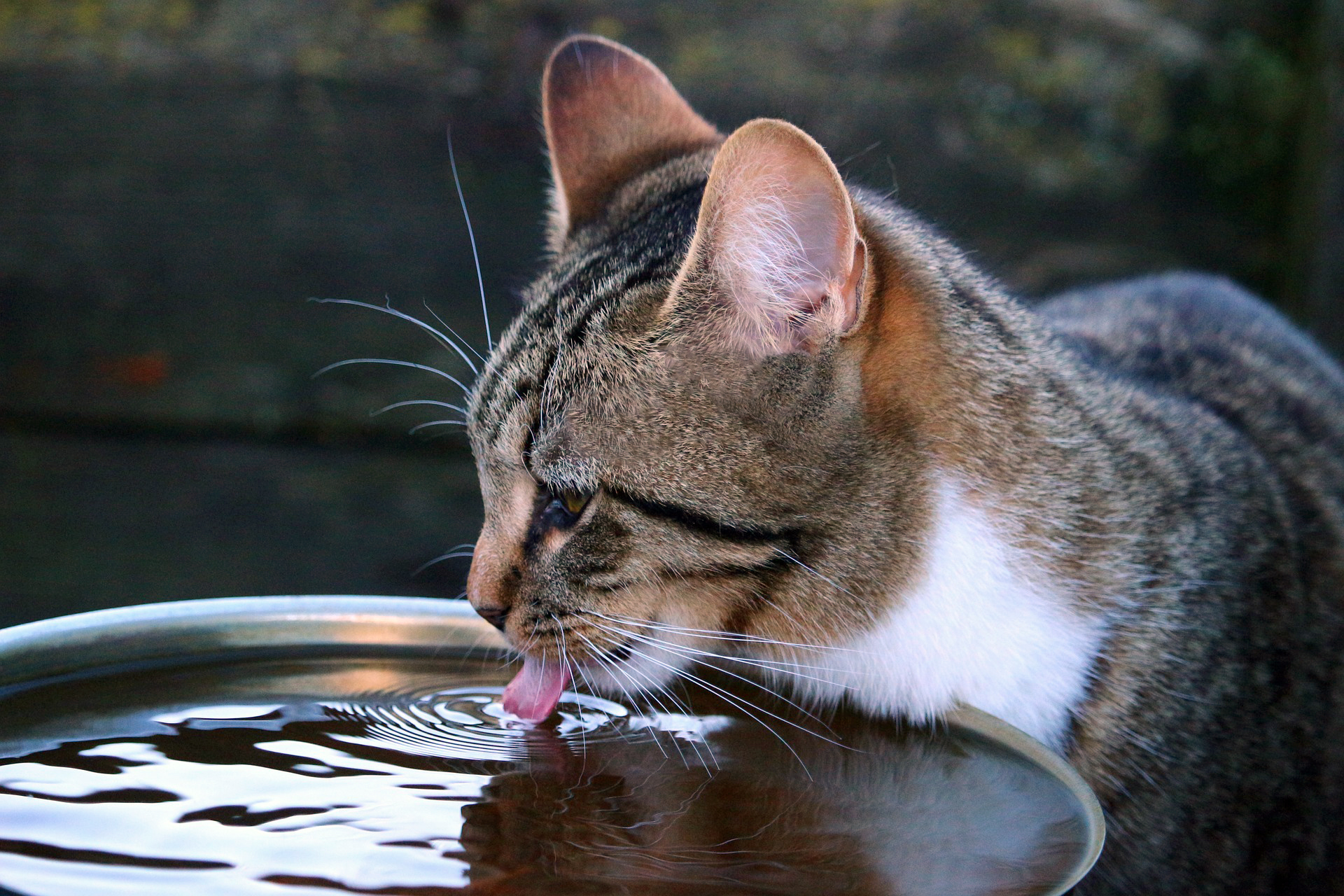
In hot weather, it is important that your cat gets enough fluids. To increase the chance that your cat drinks, you can place bowls of fresh water in several places around the house and/or garden and refresh them regularly. Some cats naturally drink very little, so try to make drinking more appealing for them. For example, by using a drinking fountain, as cats prefer running water. It is important to always give water at room temperature. Ice cold water is not necessary and may also cause stomach upset. Giving wet food temporarily can also be a way to help your cat take in more fluids.

2. Keep your cat indoors during the hottest hours

Between 12:00 and 16:00, it is often hottest outside. This is exactly when it is wise to keep your cat indoors, especially if you have few shady spots in your garden or on your balcony. To keep the indoors pleasant and cool for your cat, it is best to keep curtains and/or shutters closed. You can also leave windows slightly open or switch on a fan. Do make sure that any open window is safely covered with an insect screen or special cat net, so your cat cannot still slip outside.

3. Create cool spots

Make sure your cat has access to cool places in the house, such as a tiled floor, a dark room or even the bathroom. Putting down a cooling mat, a wet towel or an ice disc in a sheltered spot can also help. Every cat is different, so it is important to offer several options so they can choose for themselves. Good to know: if you have a cat that likes scratching, it is not ideal to buy a cooling mat. The gel used inside these mats, although it is not considered toxic, is not suitable for eating.

Popular cooling products

4. Brush regularly

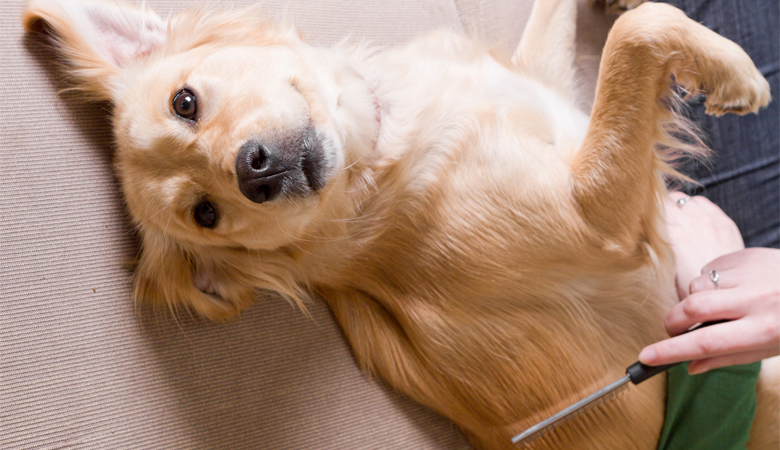
Cats with a long and/or thick coat can suffer more from the heat. By brushing regularly, you remove loose hairs so your cat can release body heat more easily. During moulting season, short haired cats can also benefit from a weekly brush. It keeps the coat well groomed and helps prevent tangles or matting. It is important to take your time with this, especially if your cat is not fond of being brushed.

5. Use a wet flannel to cool them down

If you notice that your cat is warm, you can consider gently wiping their ears or paws with a lukewarm, not cold, damp flannel. This helps lower body temperature slightly. Do pay close attention to your cat’s reaction, as not all cats like this.

6. Prevent overheating: recognise the signs

It can be difficult to tell whether a cat is warm or overheated, because they often show the signs only at a late stage. That is why it is important to watch carefully for small changes in behaviour and posture. Signs that may indicate your cat is too warm include:

  • Suddenly being less active
  • Withdrawing to cool places
  • Breathing faster or more heavily
  • Restlessly walking around
  • Reduced appetite
  • Noticeably warm ear flaps

If you notice that your cat is breathing abnormally, is very lethargic or is not responding as usual, contact your vet immediately.

7. Stay alert with sensitive cats

Some cats are more sensitive to hot weather than others. This includes kittens, older animals, cats that are overweight or cats with health problems such as heart or kidney disease. Breeds with a flat face, such as the Persian or Exotic Shorthair, can also have more difficulty breathing in high temperatures. For these sensitive groups, extra vigilance is important: watch carefully for changes in behaviour, provide plenty of rest and shade, and make sure they always have fresh water available. If in doubt, always contact your vet.

8. Adjust food if needed

Many cats have a reduced appetite in hot weather. You can take this into account by offering meals at a cooler time of day, such as early in the morning or later in the evening. If you only feed your cat dry food, you can consider giving wet food temporarily. This helps your cat take in extra fluids. If your cat does not normally get this, it is advisable to choose an easy to digest variety. This can help prevent possible digestive complaints. As a cooling snack, you could also consider filling a lick mat with a little wet food, freezing it and offering it as an ice treat. It is also important not to leave food out for too long, so you can prevent spoilage.

9. Do not leave cats in enclosed spaces

It may sound obvious, but never leave a cat in a closed car, shed, greenhouse or summer house. The temperature can rise to dangerous levels in a short time, even if it is only 22 degrees outside. Also check carefully whether your cat has hidden somewhere, such as in a cupboard, washing machine or garage. Always check such places before closing doors.

Frequently asked questions about cats and hot weather

How do I know if my cat is too warm?

Cats do not quickly show that they are struggling with the heat. Signs may include panting, breathing with an open mouth is always a cause for concern, lethargy, hiding away, restless pacing, reduced appetite, warm ears and paw pads, excessive licking of the coat or drooling. If in doubt, always contact your vet.

How do I cool my cat down indoors?

Provide shady and cool places, such as a bathroom or tiled floor. Keep curtains and shutters closed during the day to keep the sun out. Put down several bowls of fresh water or use a drinking fountain. You can also wipe the ears or paws with a lukewarm damp flannel.

Can my cat go outside when it is over 25 degrees?

Yes, but limit this to the cooler times of day, such as early in the morning or later in the evening. Also make sure you have shady spots and that your cat always has access to fresh water. Prevent your cat from being shut inside a summer house or shed, because the temperature there can become dangerously high.

What are the symptoms of overheating in cats?

Panting, rapid breathing, lethargy, unsteady walking, drooling and vomiting. Move your cat to a cool place, offer small amounts of lukewarm water and contact your vet immediately.

Do indoor cats also suffer from the heat?

Yes, especially if you have a home that gets sun on it all day. Keep curtains closed, open windows or switch on a fan, and provide plenty of cool places to lie down.

Help your cat get through summer safely

If you have questions about dealing with heat or overheating, please contact us via veterinarian@vetsend.co.uk. You can also read our blog ‘How to cool down your pet in hot weather’ for more tips or view our range of cooling products for cats.

More tips about pets and hot weather

More tips