

Colic in horses
Colic is a phenomenon that many horse owners fear. You can read all about it in our veterinary article here.
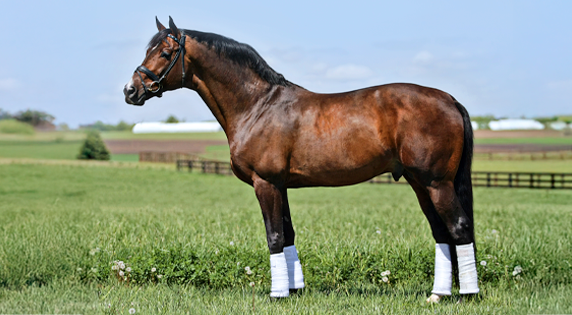
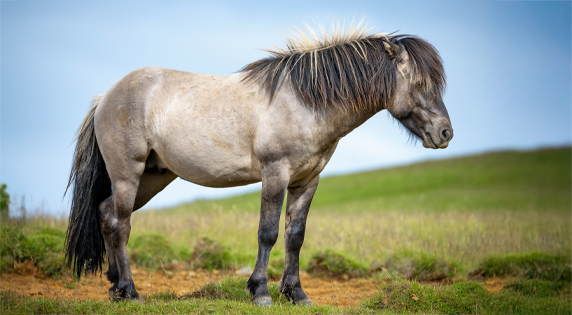
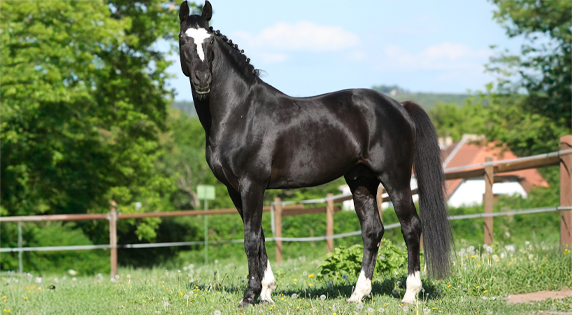
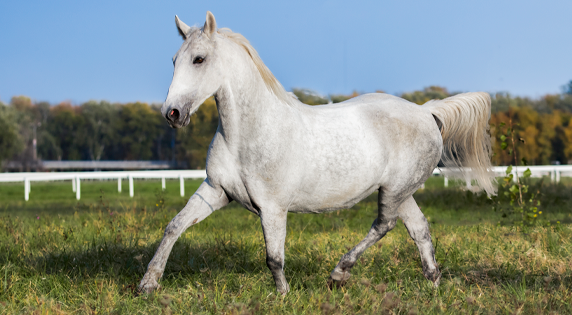
Horse breeds differ in their build, temperament, and abilities. Each breed has its own history and was often developed for a specific purpose, ranging from workhorses to sport or riding horses. On this website, you will find extensive information about various horse breeds: their origin, characteristics, uses, and care. This will give you a complete picture of the versatility of the horse and help you discover which breed best fits your interests or intended use.
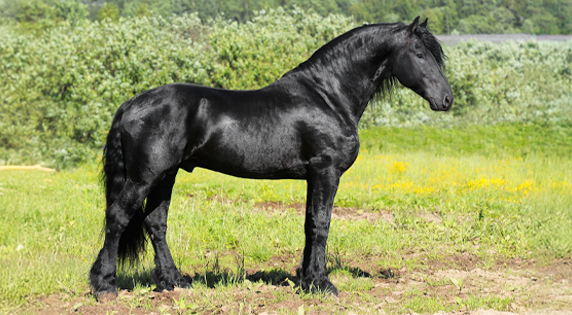
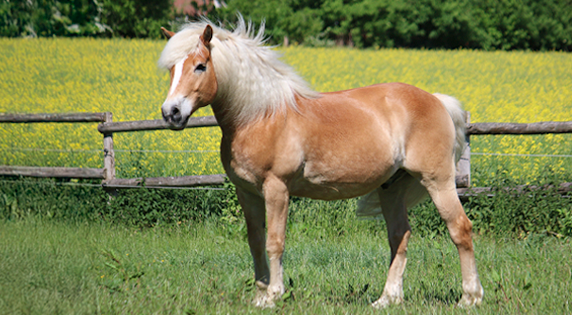
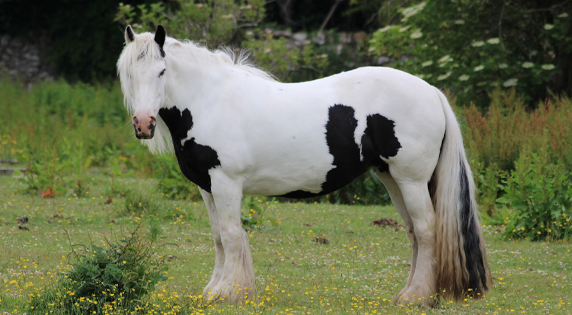
Are you looking to buy a horse or simply want to learn which horse breed suits you best? Each breed has its own character, temperament, and purpose. For example, the Friesian is a true eye-catcher with its elegant movements, while the Quarter Horse excels in Western disciplines such as reining or cutting. Size and temperament also play an important role in your choice. Are you inexperienced or looking for a calm family horse? Then a cold-blooded breed such as a Tinker or Haflinger is often a good option. Are you more sporty and ambitious in dressage or show jumping? In that case, warmblood breeds such as the KWPN or Holsteiner are a better fit.
It’s also important to consider how much time you have for care and training. Some breeds, such as the Andalusian, require intensive grooming for their coat and tail. Energy needs also vary: an Arabian needs plenty of exercise and mental stimulation, while an Icelandic horse is often content with recreational riding. Think carefully about your experience, available time, and ambitions, that way you can choose a horse that truly suits you.
Are you someone who enjoys competing, or do you prefer a calm horse for relaxed trail rides? Every breed has its own talents. For example, the KWPN is popular in both dressage and jumping, while the Appaloosa is known for its versatility and endurance. If you want to participate in shows or drive in harness, the Friesian or Lipizzaner is an excellent choice. More of an adventurer who loves riding in nature? Then an Icelandic horse or Tinker may suit you better.
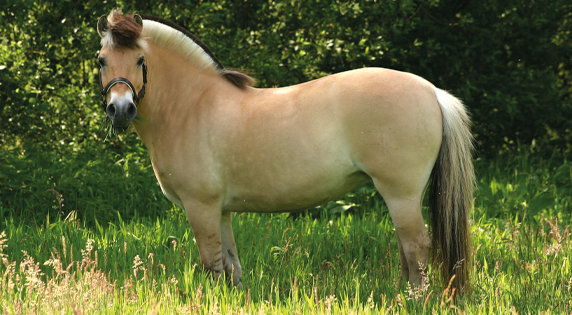
Temperament also matters. Some breeds are spirited and quick to react, while others are calm and forgiving. For beginner riders, breeds with a gentle nature, such as the Haflinger or Fjord, are often ideal.
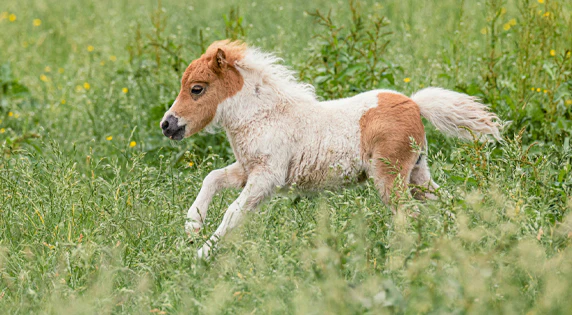
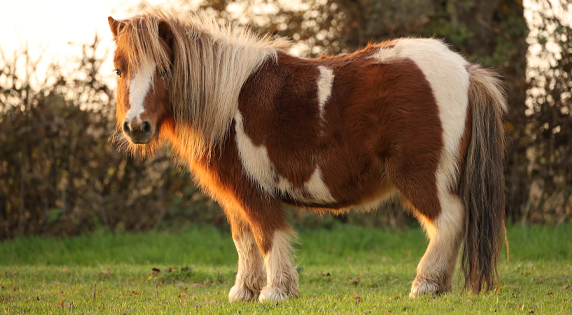
Not everyone is looking for a sport horse; some people simply want a reliable and friendly companion. Horses like the Shetlander, Tinker, or Fjord are perfect for families with children or recreational riders. They are strong, kind, and easy to handle. In addition, smaller breeds are easier to care for and require less maintenance than large sport horses.
If you mainly want to enjoy spending time with your horse, go on relaxed rides, and share lots of affection in the stable, then a companion or leisure horse is exactly what you need. Explore our list of popular horse breeds and discover which type best suits your lifestyle!
Colic is a phenomenon that many horse owners fear. You can read all about it in our veterinary article here.

If your horse is dirty or very hot, it is a good idea to wash your horse. There’s a number of things you need to consider, for both your safety and the health of the horse. It’s also important that your horse gas a positive experience when washing him, to prevent issues from arising in the future. In this blog, we will explain how to wash your horse.

Worm infestations not only occur in cats and dogs, but also in horses. These parasites can cause health problems in horses. That's why it is important ensure a good worming treatment regime.

Add products to view your basket
We use cookies to help us serve you better and more personally. Functional cookies ensure that the website works properly and have an analytical function. We also use technology to track your behaviour anonymously, both inside and outside our website. Personal data and cookies may be used for personalisation or advertising. Want to know more? Read our privacy policy and cookie statement here. If you choose to reject, we will only place functional and analytical cookies.