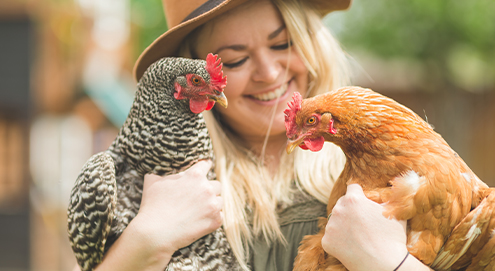
Help! My chicken is bored
Chicken toys – it might sound a bit silly, but chickens actually love to play. Providing chicken toys is a great way to prevent boredom in the chicken coop or run.
The chicken is one of the most commonly kept farm animals in the world and has been kept by humans for thousands of years. Originally from Southeast Asia, the chicken has developed into a versatile animal that is kept for its eggs or meat, but also as a hobby animal. There are countless breeds, varying in size, color and character. Chickens are social animals that enjoy scratching and have a clear pecking order within the group. For good health and natural behavior, they need enough space to move around freely and to scratch.

Chickens feel most comfortable in an environment where they can move freely and express their natural behaviour. They enjoy scratching in the ground in search of food and need a safe and well-organised chicken coop with sufficient shelter from weather conditions. At night, they prefer to sleep on a raised perch, which gives them a sense of security. Loose, dry soil or sand is also important, so they can take dust baths to care for their feathers. Because chickens are true group animals, it is important to always keep them with several others. Within the group, a pecking order naturally develops, which is normal behaviour and contributes to stable social relationships.
Chickens are omnivores and need a varied diet to stay healthy. The basis consists of complete chicken feed, such as layers pellets or mash, which contains all essential nutrients. In addition, they consume insects, seeds and greens while scratching. Offering grit supports digestion and helps with calcium absorption, which is important for strong eggshells. Fresh drinking water should always be available. Prone to parasites (such as red mites), respiratory problems, scaly leg mites and laying issues.
Chickens are active and curious animals that spend a large part of the day scratching and exploring their environment. Within a group, they maintain a clear hierarchy, also known as the pecking order, where each animal knows its place. In general, chickens are very social, although small conflicts may occasionally occur, especially when new animals are introduced. With regular and calm handling, chickens can become tame and get used to the presence of humans. To prevent boredom and stimulate natural behaviour, providing enrichment, such as chicken toys, can be a valuable addition. Read more in our blog: Help! My chicken is bored.
Chickens can lay eggs during a large part of the year, with the frequency depending on the breed, age and living conditions such as light and nutrition. For laying hens, this can range from a few times per week to almost daily. Not all eggs are fertilised; a rooster is required for that. When a rooster is present, fertilised eggs can hatch into chicks. After hatching, it is important that the chicks grow up warm and protected, with adapted feed and sufficient rest. Breeding chickens therefore requires extra attention and preparation, both during the incubation period and for raising the young chicks.
Chickens are omnivores and need a varied diet. The basis consists of complete chicken feed, such as layers pellets or mash. In addition, they like grains, greens, insects and kitchen scraps. Fresh drinking water should always be available.
Chickens live on average 5 to 10 years, depending on the breed and care. Some chickens can live longer, but egg production usually decreases as they age.
Chickens cannot truly fly like birds in the air. However, they can flutter short distances, for example to get onto a perch or over a low fence.
The number of eggs a chicken lays varies per breed. On average, a chicken lays about 4 to 6 eggs per week. This depends on factors such as age, nutrition and the amount of light. If a chicken temporarily stops laying eggs, this can be due to moulting, stress or the season. In some cases, there may be a problem such as egg binding. If you notice that your chicken is lethargic, straining or behaving differently than usual, it is advisable to have this checked by a veterinarian.
Chickens are true group animals and cannot be kept alone. They need companions to feel safe and comfortable. It is therefore important to keep at least two or three chickens together.
When buying chickens, it is important to pay attention to the health of the animals, the breed and the available space. Preferably choose active, alert chickens with clean feathers and clear eyes. Also make sure you have set up a suitable coop and sufficient space in advance.
Chickens are mainly kept for egg production, but can also serve as hobby or ornamental animals. Some breeds are specifically bred for meat or have decorative value due to their unique appearance. In a garden or yard, chickens can also help clean up food scraps and reduce insects.
Daily care of chickens is generally manageable but requires consistency. It is important to keep the coop clean and dry, provide sufficient feed and fresh water, and regularly check the animals’ health. Parasites such as the red mite occur regularly and can cause discomfort if not addressed in time. Problems such as laying disorders, scaly legs or respiratory complaints may also occur. It is therefore important to stay alert to changes in behaviour or condition and consult a (poultry) veterinarian in time if in doubt.
Seasonal influences also play a role in care. In winter, chickens need more protection from cold and moisture, while in summer sufficient shade and ventilation are important. During moulting, when chickens renew their feathers, egg production may temporarily decrease and they require additional nutrients to support this process.
Chicken toys – it might sound a bit silly, but chickens actually love to play. Providing chicken toys is a great way to prevent boredom in the chicken coop or run.
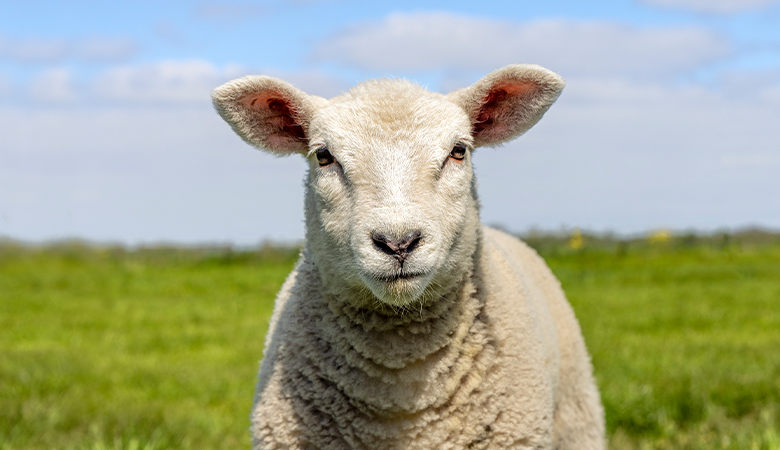
Sheep are often kept as hobby animals or for grazing. These herd animals require specific care. In this blog, you will read what is important when keeping sheep.
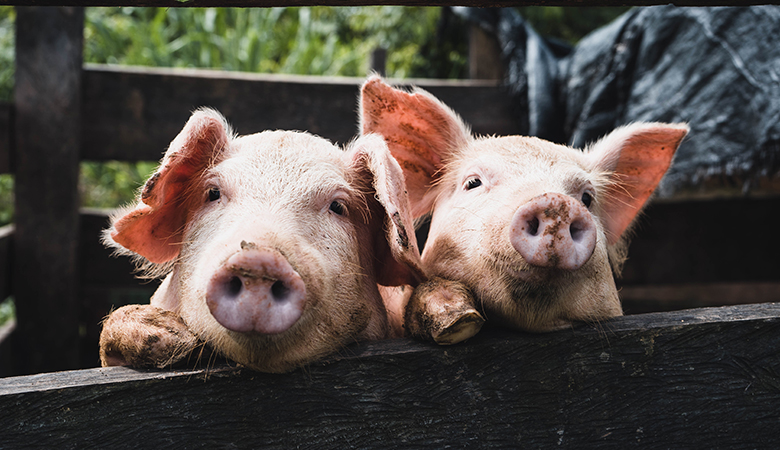
Keeping farm animals as a hobby is becoming increasingly popular. Not only for companionship, but also because farm animals can have many practical benefits. Think of eggs or maintaining your lawn. Below you will find ten farm animals that are suitable for hobby keepers.

Add products to view your basket
We use cookies to help us serve you better and more personally. Functional cookies ensure that the website works properly and have an analytical function. We also use technology to track your behaviour anonymously, both inside and outside our website. Personal data and cookies may be used for personalisation or advertising. Want to know more? Read our privacy policy and cookie statement here. If you choose to reject, we will only place functional and analytical cookies.