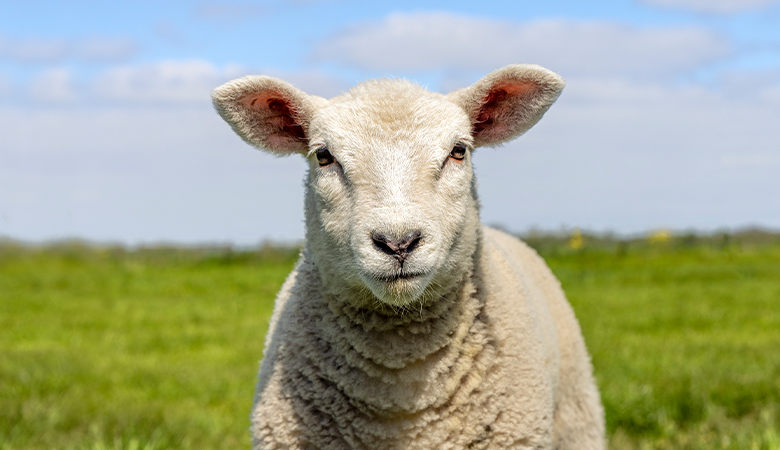
Everything you need to know about keeping sheep
Sheep are often kept as hobby animals or for grazing. These herd animals require specific care. In this blog, you will read what is important when keeping sheep.
The Indian Runner Duck is a distinctive duck breed that is easily recognised by its upright posture and lively way of moving. Instead of waddling like most other ducks, the Indian Runner Duck moves almost as if it is running. This breed originated in Southeast Asia, where it has been kept for centuries because of its excellent egg production. Large flocks of Indian Runner Ducks were also used in rice fields, where they naturally removed snails and insects without damaging the crops. Today, the Indian Runner Duck is mainly kept as a hobby animal. They are curious, social and active birds that enjoy foraging and exploring throughout the day. Thanks to their natural habit of searching for snails and other small creatures, they are also a welcome addition to many gardens. With their unique appearance, friendly nature and lively behaviour, Indian Runner Ducks are a popular choice for both beginner and experienced poultry keepers.

Indian Runner Ducks need plenty of space to roam freely and forage. They spend a large part of the day searching for snails, insects, grass and other small creatures. A spacious, securely fenced garden or pasture with shelter from the sun, rain and wind is therefore essential. Although Indian Runner Ducks enjoy spending time in and around water, they do not require a large pond. A shallow water container or a small pond where they can bathe and keep their feathers clean is sufficient. At night, a dry, draught-free shelter is important to protect them from predators and bad weather. Indian Runner Ducks are also highly social animals that thrive when kept with one or more companions. In a group, they can display their natural behaviour and remain active and sociable.
Indian Runner Ducks are omnivores and require a varied diet to stay healthy. A complete duck or waterfowl feed provides an excellent nutritional foundation and meets their daily dietary requirements. In addition, they naturally forage for part of their food themselves. They eat grass, herbs, seeds, insects, worms and snails, among other things. Fresh drinking water should always be available. Indian Runner Ducks use water not only for drinking, but also to help swallow their food properly and keep their bills clean. They also require grit, which helps grind food in the gizzard. During the laying season or while raising young birds, an adapted diet may be needed to meet their increased nutritional requirements.
Indian Runner Ducks are curious, alert and active birds that spend most of the day foraging and exploring their surroundings. They are naturally friendly, although they are often a little more reserved around people. With patience, routine and positive experiences, Indian Runner Ducks can become tame and will even eat from your hand. As they are highly social animals, they should always be kept in at least pairs, though preferably in a larger group. They communicate with one another using a variety of sounds and body language and feel most comfortable in a stable social group.
Indian Runner Ducks are excellent layers and, depending on their age, the season and the care they receive, can lay around 180 to 300 eggs per year. Unlike many other duck breeds, Indian Runner Ducks are less likely to become broody, so their eggs are often incubated in an incubator or by another broody duck or hen. The incubation period averages 28 days. Ducklings grow quickly and require warmth, a specialised starter feed and sufficient niacin (vitamin B3) during their first weeks of life to support healthy development. When breeding, it is important to select only healthy parent birds with good conformation and a friendly temperament.
An Indian Runner Duck has an average lifespan of 8 to 12 years. With proper care, a balanced diet, plenty of exercise and a safe environment, some ducks can live even longer.
The Indian Runner Duck is a duck breed best known for its upright posture and fast, almost running gait. Originally from Southeast Asia, the breed was kept for egg production and for naturally controlling snails and insects in rice fields. Today, the Indian Runner Duck is mainly kept as a popular hobby animal.
The purchase price of an Indian Runner Duck is generally between €20 and €50 per bird. The price depends on factors such as age, colour, bloodline and breeder. It is also important to take into account the ongoing costs of housing, feeding and general care.
Indian Runner Ducks are capable of flying in theory, but because of their upright body shape and relatively heavy build, they rarely do so. They may occasionally fly a short distance or clear a low fence, but in general they remain on the ground.
The Indian Runner Duck is an omnivore. Its diet should be based on a complete duck or waterfowl feed. In addition, it enjoys eating grass, herbs, insects, worms, snails and other small invertebrates that it finds while foraging. Fresh drinking water and grit should always be available.
The difference between a male (drake) and a female (duck) can mainly be recognised by their appearance and vocalisations. An adult drake usually has one or more curled tail feathers, often referred to as the drake feather. In addition, a drake makes a softer, raspier sound, whereas the female has a loud, clear quack. During the breeding season, the drake is often slightly larger and more robust than the female.
Today, Indian Runner Ducks are mainly kept as hobby animals, but they are also well known for naturally controlling snails and other small garden pests. They are active, curious birds that spend much of the day foraging. Providing plenty of space is therefore essential to allow them to express their natural behaviour.
The daily care of Indian Runner Ducks is relatively straightforward. Always provide fresh drinking water, a complete diet and a clean, dry shelter where they can stay safely at night. Access to water for bathing is also important so they can keep their feathers and skin in good condition. Regularly check that their enclosure is clean and monitor the condition of their feet, plumage and bill.
Indian Runner Ducks can be kept outdoors throughout the year, provided they have adequate shelter from rain, wind, strong sunlight and frost. A predator-proof night shelter is also essential to protect them from animals such as foxes and martens. Because Indian Runner Ducks are highly social animals, they should never be kept alone. With the right care, plenty of room to move and a safe environment, Indian Runner Ducks remain healthy and active birds that you can enjoy for many years.
Sheep are often kept as hobby animals or for grazing. These herd animals require specific care. In this blog, you will read what is important when keeping sheep.
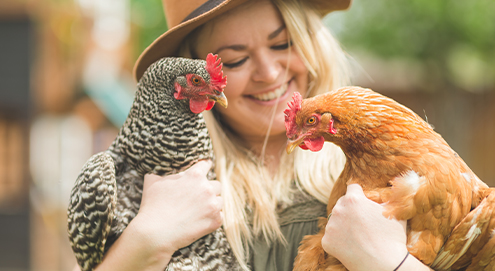
Chicken toys – it might sound a bit silly, but chickens actually love to play. Providing chicken toys is a great way to prevent boredom in the chicken coop or run.
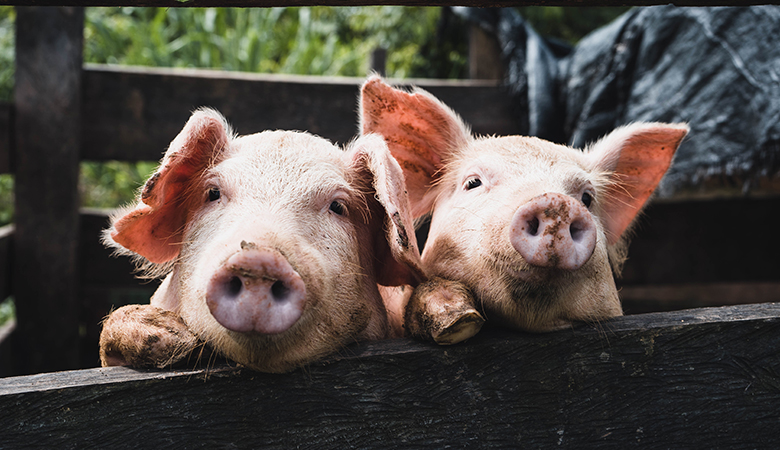
Keeping farm animals as a hobby is becoming increasingly popular. Not only for companionship, but also because farm animals can have many practical benefits. Think of eggs or maintaining your lawn. Below you will find ten farm animals that are suitable for hobby keepers.

Add products to view your basket
We use cookies to help us serve you better and more personally. Functional cookies ensure that the website works properly and have an analytical function. We also use technology to track your behaviour anonymously, both inside and outside our website. Personal data and cookies may be used for personalisation or advertising. Want to know more? Read our privacy policy and cookie statement here. If you choose to reject, we will only place functional and analytical cookies.