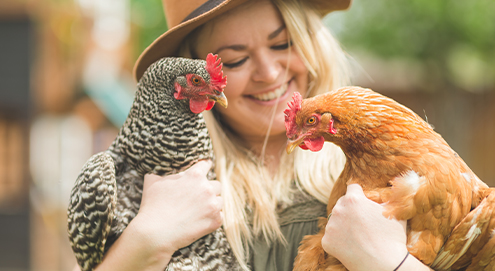
Help! My chicken is bored
Chicken toys – it might sound a bit silly, but chickens actually love to play. Providing chicken toys is a great way to prevent boredom in the chicken coop or run.
The rooster is the male chicken and is known for its striking appearance and characteristic crowing. Roosters have been kept for centuries and play an important role within a group of chickens. In addition to their role in reproduction, roosters are very alert and warn the group when danger is nearby. Roosters are active animals that enjoy scratching around and need plenty of space and companionship from their own kind.

Roosters feel most comfortable in a spacious and secure environment where they can scratch around and display natural behaviour. They need a dry and sheltered coop with sufficient ventilation and perches where they can rest. In addition, enough outdoor space is important so they can move around and search for food.
Roosters are omnivores and therefore require a varied diet. Their diet is usually based on complete chicken feed, supplemented with grains, greens, insects and seeds. Grit supports digestion and helps with calcium absorption, which is important for strong eggshells. Fresh drinking water should always be available as well.
Roosters are active and alert animals. They spend a large part of the day scratching around and watching over their surroundings. Through body language and sounds such as crowing, they communicate with other chickens. The rooster often has a protective role within a flock. It keeps watch and warns the group when danger approaches.
A rooster is very important for the reproduction of chickens, as eggs can only be fertilised with the help of a rooster. During the mating season, a rooster may display more active and territorial behaviour towards other roosters or animals. After the eggs hatch, the hen plays the main role in caring for the chicks. For breeding with roosters and hens, sufficient space, a stable group and a safe environment are very important.
A rooster crows to mark its territory and communicate with other chickens. Roosters often crow early in the morning, although this can also happen at other times during the day.
Some roosters can display territorial behaviour, mainly during the mating season or when protecting their flock. Their character differs per breed and individual animal.
Roosters mainly eat complete chicken feed, supplemented with grains, greens, insects and seeds. Fresh drinking water should always be available.
You can keep a rooster without hens, but they are social animals that feel more comfortable with other chickens. In addition, a rooster without companions may display different behaviour, such as crowing more frequently.
Roosters cannot truly fly, but they can flap short distances to reach a perch, for example.
A rooster lives on average between 5 and 10 years, depending on the breed, living environment and care.
Roosters are often kept together with hens as hobby animals or for breeding. Some breeds also have an ornamental purpose because of their striking appearance and long tail feathers.
Daily care consists of providing food and fresh water, maintaining the coop and monitoring their health. Roosters are very sensitive to parasites such as red mites and can suffer from scaly leg mites or respiratory problems.
It is important to take the behaviour of roosters within a group into account. When several roosters are kept together, conflicts may arise. Sufficient space and hiding places help reduce stress and fighting.
Chicken toys – it might sound a bit silly, but chickens actually love to play. Providing chicken toys is a great way to prevent boredom in the chicken coop or run.
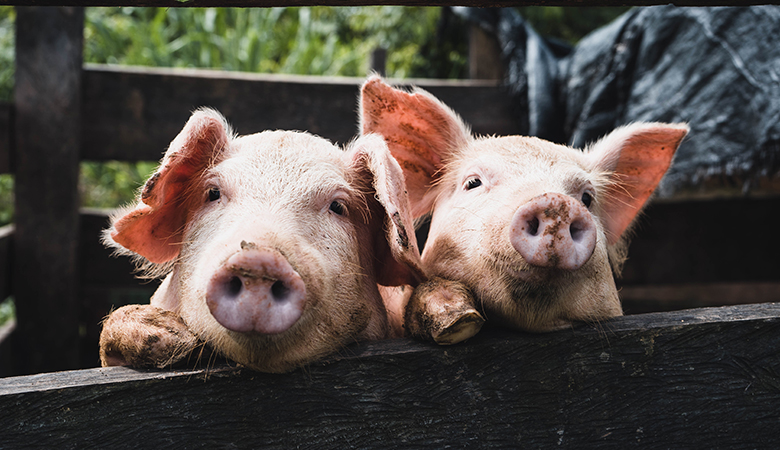
Keeping farm animals as a hobby is becoming increasingly popular. Not only for companionship, but also because farm animals can have many practical benefits. Think of eggs or maintaining your lawn. Below you will find ten farm animals that are suitable for hobby keepers.
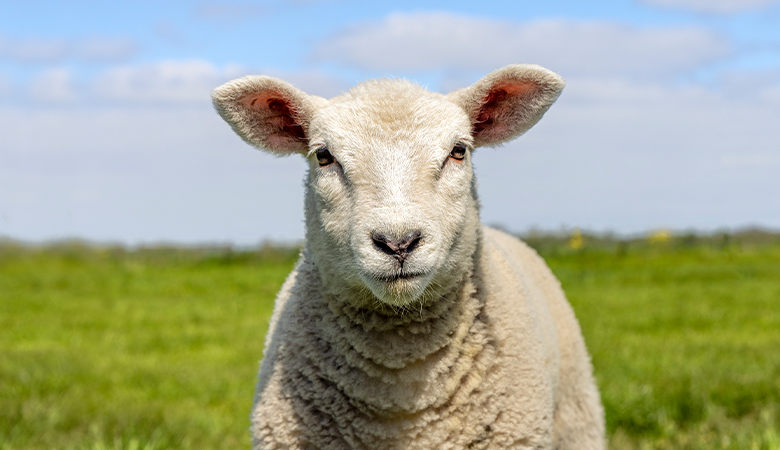
Sheep are often kept as hobby animals or for grazing. These herd animals require specific care. In this blog, you will read what is important when keeping sheep.

Add products to view your basket
We use cookies to help us serve you better and more personally. Functional cookies ensure that the website works properly and have an analytical function. We also use technology to track your behaviour anonymously, both inside and outside our website. Personal data and cookies may be used for personalisation or advertising. Want to know more? Read our privacy policy and cookie statement here. If you choose to reject, we will only place functional and analytical cookies.