Service
Basket
Menu
Up to 30% off during Royal Week! Read more

FIV (feline AIDS) in cats

Written by Meanne |

FIV, also known as feline AIDS, is a virus that occurs in cats worldwide. The disease is comparable to HIV in humans, but it is not contagious to people. The virus is species-specific, which means it can only infect cats. Although FIV is a serious condition, cats can live healthily and happily for many years with the right care and living conditions. In this blog, you will read what FIV is, how it spreads, what the symptoms are and how you can protect your cat.

FIV (feline AIDS) in cats

What is FIV?

FIV stands for Feline Immunodeficiency Virus. The virus attacks a cat’s immune system, making it more susceptible to infections, inflammations and other diseases. FIV occurs worldwide, particularly in outdoor cats and unneutered tomcats that fight with other cats.

As with HIV in humans, cats can live with FIV for many years without becoming ill straight away, but eventually the immune system becomes so weakened that the cat becomes seriously ill.
 

Relevant products

How does a cat become infected with feline AIDS?

FIV is mainly transmitted through bite wounds, usually during fights between cats. The virus is present in saliva and is introduced directly into the bloodstream through a deep bite.

Important to know:

  • FIV is not contagious to humans or other animal species
  • FIV is not transmitted via food bowls, scratching posts or stroking a cat
  • Transmission of FIV from mother to kitten is rare
  • A cat with FIV can live with other cats under strict conditions, especially if there is no aggressive behaviour

Symptoms of FIV

The symptoms of FIV are often vague and develop slowly. Many cats remain asymptomatic for years, but eventually signs of a weakened immune system appear, such as:

  • Chronic inflammation of the gums or oral mucosa
  • Fever or lethargy
  • Weight loss
  • Diarrhoea or vomiting
  • Poor coat condition
  • Enlarged lymph nodes
  • Breathing problems
  • Wounds that heal poorly
  • Recurring infections, for example of the skin or urinary tract

How is FIV diagnosed?

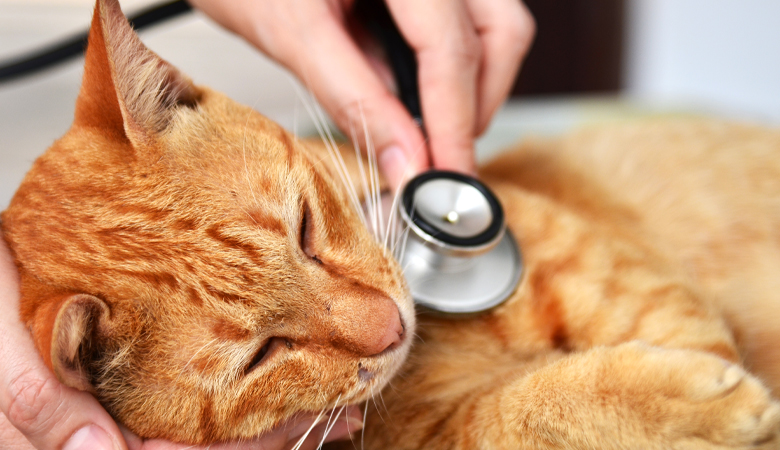
A vet can diagnose FIV using a blood test. This test detects antibodies against the virus.

Important considerations in diagnosis:

  • A positive test means that antibodies against FIV are present in the blood, which usually indicates that the cat is infected
  • In kittens, the test may be falsely positive due to antibodies from the mother
  • If there is any doubt, the test is repeated after several months or supplemented with a PCR test at an external laboratory

Treatment of FIV

Unfortunately, there is no cure or vaccination for FIV. Treatment is therefore aimed at:

Supporting the immune system:

Ensure good basic health with high-quality food. In addition, immune-supporting supplements such as probiotics and vitamins can further support the immune system and contribute to better overall condition, helping the cat to better resist infections and feel fitter.

View our range of probiotics and immune support for cats.

Preventing secondary infections:

Ensure infections are treated promptly with antibiotics. In addition, have your cat’s teeth checked regularly to prevent dental problems. It is recommended to keep cats with FIV indoors to avoid contact with other cats and diseases.

Avoiding stress:

Stress is a major cause of reduced immunity. Therefore, provide a calm living environment. You may consider using calming supplements or pheromones to reduce stress. View our range for stress and anxiety in cats.

Prevention and control of FIV

As FIV cannot be cured, it is better to try to prevent your cat from becoming infected. You can reduce the risk of FIV by:

  • Having your cat neutered or spayed. This reduces the likelihood of fighting behaviour.
  • Keeping your cat indoors, or allowing only limited outdoor access, for example in an enclosed garden or cat run.
  • Always testing new cats for FIV before introducing them into a group.
  • Providing sufficient enrichment and stimulation to reduce stress and territorial behaviour.

What is the prognosis for FIV?

The life expectancy of an FIV-positive cat depends on:

  • Overall health
  • The stage of the disease
  • Living conditions

With proper care, an FIV-positive cat can live for many years without symptoms. However, it is important to remain alert to recurring or chronic complaints and to seek medical treatment promptly when necessary.

Do you have any questions about FIV or feline AIDS? Please contact us via email: customer-service@vetsend.co.uk.


Read our other blogs as well

More tips