Horseflies, gadflies and botflies
As temperatures rise, the number of biting and bloodsucking insects also increases. In addition to causing unrest and slowed growth, they increase the risk of infections in grazing livestock.
The Icelandic horse is a remarkable and exceptionally hardy breed that hails from the striking landscapes of Iceland. For over a thousand years, this breed has developed with virtually no outside influence, preserving its purity and unique characteristics. Despite its compact size, the Icelandic horse is surprisingly powerful and full of stamina, a true natural talent in the mountainous terrain of its homeland.
What makes the Icelandic horse truly special is not only its friendly and dependable nature, but also its extra gaits: the tölt and, in some cases, the flying pace. The tölt is famed for its unmatched smoothness, allowing riders to cover long distances in comfort without fatigue.
With its thick coat, bright eyes, and spirited presence, the Icelandic horse easily wins hearts. It is both strong and gentle, energetic yet balanced, and widely known as a reliable and versatile horse.

The Icelandic horse is a unique breed that originates from Iceland, where it has been bred for over a thousand years. The breed descends from Norse horses brought to the island by the Vikings. Thanks to Iceland’s isolated location, the Icelandic horse has developed virtually unchanged, making it one of the oldest and most authentic horse breeds in Europe.
Due to the harsh weather conditions and rugged terrain of Iceland, these horses had to be strong, hardy, and versatile. They learned to find food on their own, cope with snow and rough ground, and to this day retain their exceptional stamina and tough hooves.
Iceland’s rich historical and cultural heritage has played a key role in preserving the pure Icelandic bloodlines, making the Icelandic horse a lasting symbol of strength, endurance, and reliability.
The Icelandic horse is known for its friendly, sociable, and eager-to-learn nature. It is a reliable horse that easily forms a strong bond with its handler and responds well to clear and consistent guidance.
Icelandics are generally calm by nature, yet they possess plenty of energy and willingness to work, making them capable of performing a wide range of tasks.
Their intelligent and sensitive temperament makes them suitable for riders of all ages, while their stable character makes them ideal for leisure riding, light sporting activities, and trekking across varied terrain.
The Icelandic horse is often mistaken for a pony due to its compact build and relatively small height, but it is officially classified as a horse. This is because the Icelandic shares more in terms of character, strength, and behaviour with larger horse breeds than with ponies.
According to the international studbook and Icelandic breeding regulations, the Icelandic is recognised as a full-fledged horse breed. Despite an average height of 130 to 145 cm, it possesses the strength, temperament, and gaits of a horse. Its stamina, willingness to work, and muscular build have developed through centuries of selective breeding under the harsh conditions of Iceland, where only the strongest animals survived.
Genetics also play a role. The Icelandic horse descends from ancient Northern European horse breeds brought to Iceland by the Vikings, and it has been bred purely ever since, without influence from pony bloodlines. As a result, despite its size, it is officially considered a horse.
The Icelandic horse is world-renowned as a so-called five-gaited horse. In addition to the three standard gaits of a typical horse—walk, trot, and canter—it also possesses two additional natural gaits: the tölt and the flying pace (known in Icelandic as skeið).
The tölt is a smooth four-beat gait where the rider experiences very little bounce in the saddle. This gait is ideal for long rides and treks, as the horse maintains its balance and moves fluidly. The flying pace, on the other hand, is a faster two-beat gait where the legs on the same side move together. It can reach high speeds and is mainly used over short distances.
Not every Icelandic horse performs all five gaits equally well. Some are naturally four-gaited, lacking the flying pace, while others are well-trained in all five. This unique trait makes the Icelandic horse especially popular with riders who appreciate variety, comfort, and versatility.
The price of an Icelandic horse can vary greatly depending on factors such as age, training, pedigree, and temperament. On average, the price for an Icelandic horse trained for leisure riding ranges between £4,250 and £10,200. Younger or untrained horses may be slightly more affordable, while well-trained horses with proven gaits or competition experience can cost significantly more.
Purebred Icelandics with registered bloodlines from Iceland itself are often more expensive, especially if they show exceptional tölt and flying pace abilities. Prices for top breeding or sport horses can reach £17,000 or more.
In addition to the purchase price, it’s important to consider monthly costs for care, feed, stabling, and veterinary expenses. A well-cared-for Icelandic horse remains fit and healthy for many years, making the investment worthwhile through reliability, stamina, and riding enjoyment.
When buying an Icelandic horse, it’s important to pay close attention to several key factors. Always check the horse’s pedigree and registration, as an officially registered Icelandic is purebred and meets the breed’s standards. The pedigree also provides insight into which gaits the horse naturally possesses, such as tölt and flying pace.
Take note of the horse’s age and level of training. Young Icelandics are suitable for riders who wish to do the training themselves, while mature or well-trained horses are ready for leisure riding, trekking, or light sport. Character and temperament are equally important. Icelandic horses are known for being sociable, friendly, and reliable, though some can be more sensitive and better suited to experienced riders.
Always assess the horse’s health and physical condition, including the back, hooves, and teeth. A healthy, well-maintained horse is less likely to suffer injuries and can perform at its best. Lastly, consider both the purchase price and ongoing care costs, such as feeding, stabling, farrier services, and veterinary check-ups.
By paying attention to these factors, you’ll increase your chances of building a long-lasting and successful partnership with your Icelandic horse—a breed renowned for its versatility, stamina, and kind nature.
The Icelandic horse is a sturdy and versatile breed, known for its friendly nature, endurance, and unique gaits. Originally bred in Iceland’s harsh landscape, it served as a reliable work and transport horse. Today, the Icelandic has become a true all-rounder, suited to a wide range of disciplines. Thanks to its sociable character, eagerness to learn, and steady temperament, it is ideal for riders of all ages, whether for leisure or light sport.
Activities where the Icelandic excels:
The Icelandic is a strong and hardy breed that is naturally healthy and relatively low-maintenance. However, like all horses, it requires consistent daily care. Regular hoof care, cleaning of the stable or paddock, and close attention to overall hygiene are key to keeping your Icelandic in top condition.
Because Icelandics often grow a thick winter coat, extra grooming is needed during colder months to prevent tangles and dirt buildup. The mane and tail also require routine maintenance. Their diet should mainly consist of roughage such as hay or grass, supplemented with concentrated feed depending on training intensity. Rich feeds should be avoided, as they can lead to weight gain, while sufficient fibre is essential for healthy digestion.
Plenty of exercise, turnout time, and regular veterinary check-ups, along with dental and hoof care, will help ensure a long, healthy, and active life. With proper care, the Icelandic remains not only physically strong but also mentally balanced and happy in its work.
As temperatures rise, the number of biting and bloodsucking insects also increases. In addition to causing unrest and slowed growth, they increase the risk of infections in grazing livestock.
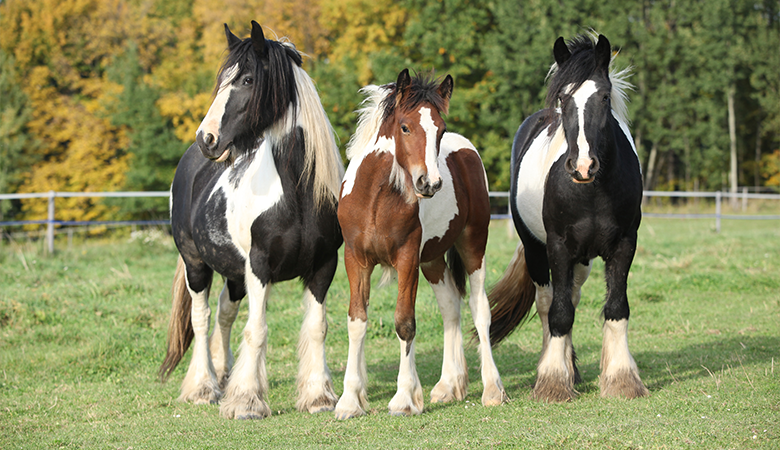
Allergies are more common in horses than many owners realise. Around one in five horses has an allergy to something. These allergies are often missed because the signs are easily attributed to “normal” itch, a bit of rubbing or an innocent cough. In this blog, we look at the main types of allergies, how to recognise them, what you can do, and the role of diet and supplements.

Colic is a phenomenon that many horse owners fear. You can read all about it in our veterinary article here.

Add products to view your basket
We use cookies to help us serve you better and more personally. Functional cookies ensure that the website works properly and have an analytical function. We also use technology to track your behaviour anonymously, both inside and outside our website. Personal data and cookies may be used for personalisation or advertising. Want to know more? Read our privacy policy and cookie statement here. If you choose to reject, we will only place functional and analytical cookies.