Colic in horses
Colic is a phenomenon that many horse owners fear. You can read all about it in our veterinary article here.
The Shetland pony is a small but exceptionally robust breed that originally hails from the Shetland Islands in Scotland. Shaped by the harsh conditions of the islands, the Shetland developed into a strong, hardy and self-sufficient breed, distinguished by its thick coat and sturdy build.
Renowned for its intelligence and eagerness to learn, the Shetland is often friendly and sociable, but also has a stubborn and independent streak, making it a pony with real character. This makes the Shetland well-suited to experienced handlers who know how to manage it with consistent care.
Thanks to its strength and stamina, the Shetland is frequently kept as a companion pony, a children’s pony or a driving pony. Its small size belies its abilities; it is surprisingly powerful and can pull or carry a considerable amount of weight for its stature.
With its appealing looks, thick mane and cheerful presence, the Shetland is one of the most beloved ponies in the world. The breed combines intelligence, strength and a charming personality, making it a firm favourite in the equestrian world.

The Shetland pony is one of the most well-known and distinctive pony breeds in the world, originating from the Shetland Islands – a rugged archipelago to the north of Scotland. This small yet powerful breed developed through natural selection in a harsh and windswept environment, where ponies had to survive on sparse vegetation and rough terrain. As a result, Shetlands evolved to have compact, strong and resilient bodies, with sturdy legs and a thick coat to shield them from the cold climate.
Historically, Shetlands were used for transport, agriculture and work in coal mines, where they demonstrated remarkable strength and endurance despite their small size. Over the centuries, they have retained their robust build, independent nature and versatility. Today, Shetland ponies are recognised around the world for their strength, reliability and adaptability, and are commonly used for leisure riding, driving and companionship.
The Shetland pony is known for its intelligent, wilful and often lively nature, making it a pony that can be both a challenge and a delight. Shetlands are clever and curious, quick to learn, but their independent streak can also make them a touch stubborn. They are highly adaptable, extremely hardy and dependable, which makes them well-suited to a variety of roles such as driving, leisure activities and companionship.
Despite their small size, Shetlands possess a bold and energetic temperament. They are sociable and often form a strong bond with their handler, but their spirited and alert nature requires a consistent and patient approach. Thanks to this unique mix of traits, Shetlands combine energy, intelligence and loyalty, making them a favourite among riders and owners looking for a versatile pony with plenty of character.
A Shetland pony lives on average between 30 and 35 years, but with proper care, healthy living conditions and plenty of exercise, they can even reach the age of 40 to 50. Their sturdy build, strong health and modest dietary needs all contribute to this exceptionally long lifespan. Daily care, a balanced diet and regular veterinary check-ups help maintain their vitality and overall fitness.
A Shetland pony typically stands between 80 and 107 cm at the withers, depending on the type. Within the breed, a distinction is made between standard Shetlands, which generally measure between 100 and 107 cm, and miniature Shetlands, which are under 87 cm tall. While the miniature Shetland shares the same sturdy build and traits as the standard type, it is especially popular for its compact size, making it well-suited for light leisure use and as a companion pony. Both types retain the breed’s characteristic strength, endurance, and its famously wilful yet intelligent nature.
The price of a Shetland pony can vary widely depending on age, pedigree, training and studbook registration. Untrained or young Shetlands usually start from around £300 to £1,300, while saddle-broken or trained ponies often range between £1,300 and £5,200. Factors such as health, temperament, training and official registration all influence the final value. When buying a Shetland, it’s important to consider not just the price, but also the quality, reliability and intended use of the pony.
The Shetland pony is suitable for leisure riding, driving, therapy and companionship. Thanks to its sturdy build, strength and versatility, it can take on light sporting tasks, serve as a companion pony, or be used for pony rides and driving activities. Its intelligent and occasionally wilful nature also makes it a great match for experienced riders looking for a reliable yet characterful pony.
The Shetland pony is a small, strong and robust breed originating from the Shetland Islands in Scotland. Known for its compact build, resilient nature and tireless energy, the Shetland was originally bred to work in coal mines and carry loads. Today, it is valued worldwide as a reliable family and leisure pony.
Activities Shetland Ponies Excel At
Shetlands are hardy, healthy and relatively low-maintenance. They boast a strong constitution, a thick coat that offers excellent protection against the cold, and they thrive in a natural environment with plenty of outdoor space. Despite their small size, Shetlands require regular exercise—such as turnout in a field or paddock, or light training, to stay healthy and fit.
Their diet mainly consists of good-quality roughage like hay and grass, with only a small amount of hard feed if needed. Shetlands have a compact and efficient metabolism, so overfeeding can quickly lead to obesity. Regular veterinary check-ups, dental care and hoof trimming are essential to maintain their health and wellbeing.
With the right care, Shetlands remain healthy, energetic and suited to a wide range of activities, from leisure riding to light work and therapeutic use.
Colic is a phenomenon that many horse owners fear. You can read all about it in our veterinary article here.
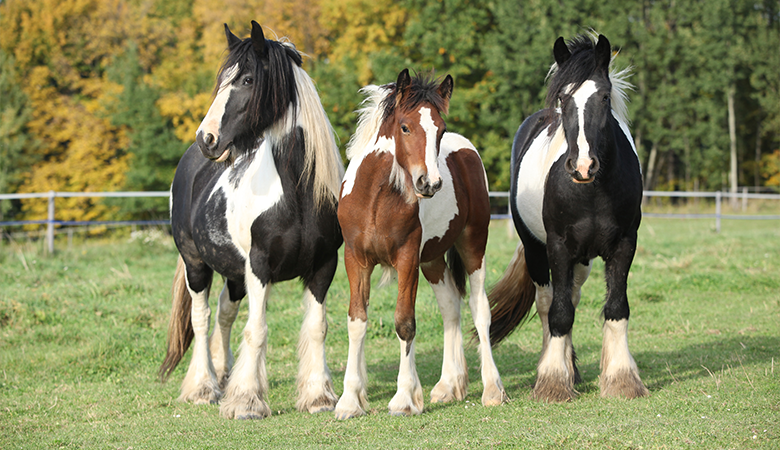
Allergies are more common in horses than many owners realise. Around one in five horses has an allergy to something. These allergies are often missed because the signs are easily attributed to “normal” itch, a bit of rubbing or an innocent cough. In this blog, we look at the main types of allergies, how to recognise them, what you can do, and the role of diet and supplements.
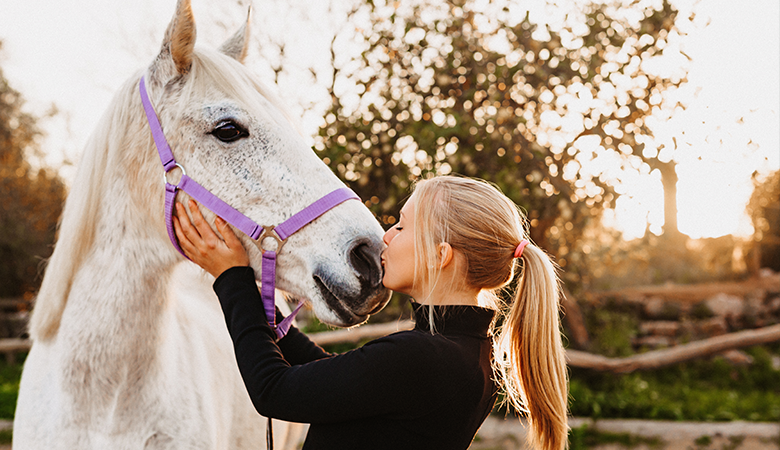
Horses are strong and athletic animals, but they are also sensitive to a range of health problems. Many conditions develop gradually and are only noticed when a horse clearly shows symptoms. By knowing what to look out for and acting preventively, you can avoid many problems or address them at an early stage.

Add products to view your basket
We use cookies to help us serve you better and more personally. Functional cookies ensure that the website works properly and have an analytical function. We also use technology to track your behaviour anonymously, both inside and outside our website. Personal data and cookies may be used for personalisation or advertising. Want to know more? Read our privacy policy and cookie statement here. If you choose to reject, we will only place functional and analytical cookies.