Service
Basket
Menu
Pre Black Friday is here! Enjoy up to 30% off! Read more

Prins explains: A cold-pressed or extruded kibble

Written by Carmen |

To produce our dog kibble, we use two different methods: cold-pressing and extrusion. Both cold-pressed and extruded (crunchy) kibble are made from nearly identical high-quality ingredients, but the production process differs, giving each kibble a distinct texture.
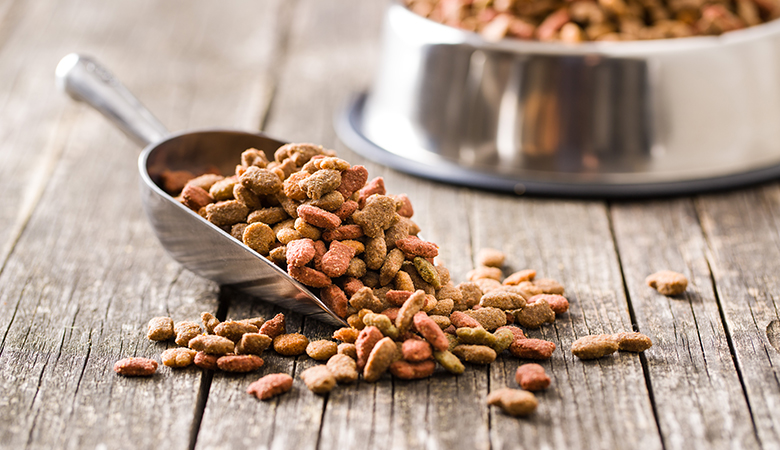
Scoop filled with kibble

Did you know?

Prins is the market leader in cold-pressed dog food in the Netherlands. Our cold-pressed kibble is a product we are especially proud of!


Relevant products

Cold-pressed food

Cold-Pressed Food

In cold-pressed food, the raw ingredient mix is pressed through a moulding plate at approximately 75 degrees Celsius. Thanks to this relatively low temperature, the high-quality ingredients are minimally affected by heat. It is important that the grains are pre-cooked, so your pet can properly digest and absorb the carbohydrates.

Concentrated

Cold-pressed kibble is a concentrated form of nutrition. Because all nutrients are compressed together and there’s no air in the kibble, cold-pressed kibbles take up less space—not only in the packaging, but also in the stomach. Once in the stomach, the kibble breaks down, reducing gastric load. This makes cold-pressed food particularly suitable for active dogs. Read more about the benefits of cold-pressed kibble on the Prins Petfoods website. Thinking of switching from extruded to cold-pressed food? Be sure to follow the transition advice first.

Prins does not offer cold-pressed food for cats. It turns out that cats are not fond of the texture of a cold-pressed kibble—they prefer something crunchy! Interestingly, cold-pressed food is often a big hit with picky-eating dogs.

Our cold-pressed kibble is a product we are particularly proud of!

Extrusion

Extrusion takes place at temperatures exceeding 130 degrees Celsius, which largely cooks and breaks down the grains. Moisture is added under pressure, and when the mixture exits the extruder, the drop in pressure causes it to ‘puff up’, creating a crunchy structure. The required fats and oils are added at the end to avoid unnecessary heating.

Proper Chewing

Extruded kibbles expand in the stomach and are easy to digest. Since crunchy kibble is harder, dogs and cats chew it thoroughly. Choosing between cold-pressed or extruded food mainly depends on your dog. Some dogs do better with cold-pressed kibble, others with crunchy kibble. Many dogs thrive on both types.

Which Is Better?

Which is better: cold-pressed or crunchy kibble? At Prins, we get this question all the time—and the answer is simple: there is no ‘best’ kibble. There’s no universal rule to determine whether a dog should eat cold-pressed or extruded food. It all depends on what suits the individual animal best! Want to learn more about Prins nutrition, or unsure which option is right for your pet? Visit the Prins Petfoods website.

Do you still have questions? Feel free to contact us at veterinarian@vetsend.co.uk.