Service
Basket
Menu
Heat alert: This weekend get 10% off all cooling products with code COOLING10 Read more

Angora Rabbit

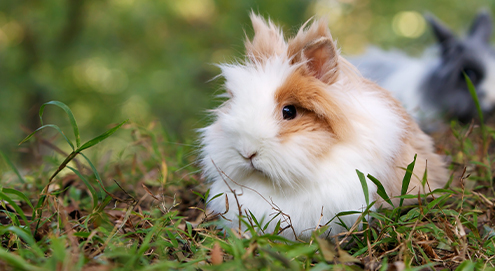
The Angora Rabbit is a distinctive and striking rabbit breed that is mainly known for its extremely soft, long wool coat. This breed originated in Turkey and was originally bred for the production of angora wool, a fine and warm type of wool that is loved worldwide. Today, the Angora Rabbit is kept not only for its beautiful appearance, but also as a calm and friendly pet. With its fluffy coat, rounded appearance and gentle nature, it quickly attracts attention. Although the Angora Rabbit is often calm and sociable, this breed requires considerably more care than many other rabbit breeds. Coat care in particular is intensive and requires daily attention to prevent matting. In addition, the Angora Rabbit needs enough space, good nutrition and mental stimulation to remain healthy and happy. This makes the breed best suited to owners who are willing to invest time and attention in its care.

Angora

Characteristics

Country of origin: Turkey (Ankara region)
Also known as: Angora, English Angora, French Angora, German Angora
Body build: Compact to medium sized rabbit with a rounded body shape, sturdy build, short neck and upright ears.
Colours and coat types: Found in a variety of colours, including white, black, blue, chocolate, lilac and broken. The coat is long, dense, woolly and very soft.
Weight: 2.5 - 5.5 kg
Height: 25 - 35 cm
Life Expectancy: On average 7 to 10 years
Health risks: Coat mats, felting, wool blockages in the gastrointestinal tract, dental problems, heat stress and skin problems.
Suitable for: Experienced or motivated owners who are willing to invest time in intensive coat care.

Character profile

Gentle
Sociable
Affectionate
Trainability
Playful
Friendly with children
Stress resistant
Exercise needs
Ease of care

Popular products for the Angora Rabbit

Origin of the Angora Rabbit

The Angora Rabbit originated in Turkey, in the region around Ankara, which was formerly known as Angora. The breed was already being kept centuries ago because of its distinctive wool coat, which was used to make soft and warm textile products. In the 18th century, the Angora Rabbit became popular in Europe, where it was especially valued by the French nobility as a luxurious pet and a supplier of exclusive wool. Later, the breed spread further across Europe and several varieties developed, such as the English, French and German Angora. Germany in particular paid a great deal of attention to improving wool production and coat quality. Today, the Angora Rabbit is kept worldwide, both for wool production and as a hobby and show rabbit. Thanks to its unique appearance and friendly character, the breed is also loved as a companion animal.

Character of the Angora Rabbit

The Angora Rabbit is known for its calm, friendly and gentle character. In general, Angoras are sociable rabbits that enjoy being near their companions and carers. They can become affectionate when approached in a calm and respectful way. Because of their gentle temperament, they are often pleasant to handle, but they can also be somewhat more sensitive to stress and busyness than some other breeds. Routine, a calm environment and careful handling are therefore important. In addition, the intensive coat care requires a good bond of trust between rabbit and owner. The Angora Rabbit is curious and intelligent and enjoys exploring its surroundings. Although it is not an extremely active breed, it still needs daily exercise and enrichment to prevent boredom.

Everything about the Angora Rabbit

How old does an Angora Rabbit get?

An Angora Rabbit lives for an average of 7 to 10 years. With good care, a healthy diet and regular check ups with a vet, some Angoras may even live longer. Good coat care plays an important role in the overall health of this breed.

What can an Angora Rabbit eat?

The basic diet of an Angora Rabbit consists of unlimited good quality hay, supplemented with fresh vegetables, a limited amount of high quality rabbit pellets and dried herbs.

For Angora Rabbits, a diet rich in fibre is especially important. During grooming, they ingest a lot of hair, which increases the risk of wool blockages. Sufficient hay helps support gut function and reduces the risk of constipation.

Because nutrition is an important part of health, we are happy to refer you to our detailed blog “What can rabbits eat?” for a complete and clear overview.

What are the disadvantages of an Angora Rabbit?

Although the Angora Rabbit is a beautiful and friendly breed, there are also important points to be aware of:

  • The coat requires daily care to prevent knots and matting
  • Regular brushing and sometimes clipping are necessary
  • They are prone to wool blockages from swallowing hair
  • The thick coat increases the risk of overheating in warm weather
  • Dirt and droppings can become trapped in the coat more easily
  • Care takes more time than with short haired rabbit breeds
  • Professional coat care may sometimes be needed

These points are manageable, but they do require commitment and regular care from the owner.

Can I keep an Angora Rabbit indoors?

Yes, an Angora Rabbit can be kept indoors very well. It is important, however, to provide enough space in the form of a spacious run or a safe room where the rabbit can roam freely. Enough exercise helps prevent obesity and boredom.

With indoor housing, the coat in particular needs extra attention. Long hair can collect dust and dirt more quickly. A clean living environment and regular coat checks are therefore important. In addition, the environment must not be too warm, because Angora Rabbits are more sensitive to overheating due to their thick coat.

The same rule applies indoors: an Angora Rabbit should never be kept alone, but always together with another rabbit.

How large and heavy does an Angora Rabbit get?

The Angora Rabbit is a medium sized rabbit breed. Depending on the variety, adult animals usually weigh between 2.5 and 5.5 kilograms. Body length averages between 25 and 35 cm. Because of their thick wool coat, Angoras often look larger than they actually are.

What is the price of an Angora Rabbit?

The price of an Angora Rabbit averages between £34 and £127. This depends on factors such as origin, age, coat type and whether the animal has been vaccinated and checked.

Please note: a lower price is not always better value. A good breeder pays attention to health, socialisation and coat quality. In addition, Angora Rabbits regularly end up in rabbit rescue centres, often because people underestimate the intensive care they require. Adoption through a rescue centre can therefore be a lovely and responsible choice.

Can an Angora Rabbit be alone?

No. No rabbit should be kept alone.

Rabbits are true social animals and need social contact with other rabbits. A rabbit that lives alone can feel lonely and unhappy, which may show itself in stress or behavioural problems.

The question of “being alone” can also be interpreted differently, namely: can a rabbit stay home alone? That is a different matter. An Angora Rabbit can easily stay home alone for a few hours, as long as it lives with a companion and has enough hay, water and space. Living alone, however, is never suitable.

Can an Angora Rabbit live with a Dwarf Rabbit?

Yes, certainly. An Angora Rabbit can live well with a Dwarf Rabbit, provided the bonding is done carefully and the characters are a good match. Size is usually less important than behaviour, age and sex.

In general, a combination of a neutered buck and a spayed doe offers the best chance of a stable and harmonious relationship. Many rabbit rescue centres offer professional bonding services and help find a suitable companion.

Housing and care of the Angora Rabbit

Like all other rabbits, the Angora Rabbit needs enough space to move freely, run and display natural behaviour. In addition, coat care in particular requires a lot of attention in this breed.

Housing

Suitable housing for an Angora Rabbit should be spacious, clean and well ventilated. Because hair can get dirty quickly, a dry and hygienic living environment is especially important. Whether indoors or outdoors, always provide:

  • Enough space to move freely
  • Soft and dry bedding
  • Clean hiding places and tunnels
  • Large hay racks that are always filled
  • Enough cooling during warm days
  • Toys and enrichment for mental stimulation

With outdoor housing, the enclosure must be free from draughts and offer protection from rain and damp. A wet or dirty coat can mat more quickly and cause skin problems.

Care

Caring for an Angora Rabbit largely revolves around the coat. Daily brushing helps prevent knots and matting. Depending on the type of Angora, the coat must also be trimmed or clipped regularly.

During care, also check the skin, nails, eyes and ears straight away. Dirt can build up in the long hair, especially around the rear end. Good hygiene helps prevent skin irritation and fly strike.

In addition, it is important to have Angora Rabbits vaccinated preventively against serious diseases such as myxomatosis and RHD (VHD). You can read which vaccinations are needed and how often they should be repeated in our detailed blog: “Vaccinating your rabbit against myxomatosis and VHD”.

Also read our other blogs

More tips