Service
Basket
Menu
Save up to 30% now on Royal Canin Read more

Lionhead

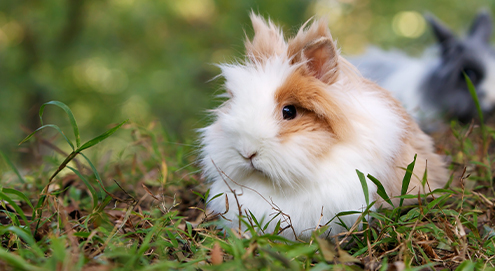
The Lionhead is a distinctive rabbit breed that is instantly recognisable by the characteristic mane around its head. This breed originated through the crossbreeding of rabbits with a genetic predisposition for longer fur around the head. Today, the Lionhead is especially popular as a companion rabbit because of its unique appearance and friendly nature. With its compact build, upright ears and distinctive mane, it has a unique appearance. The Lionhead’s temperament is generally curious, lively and sociable. Many Lionheads enjoy interacting with their surroundings and, when properly socialised, can develop a close bond with their owner. The coat comes in a variety of colours and markings. Due to the longer fur around the head and sometimes on other parts of the body, the Lionhead requires regular coat care to help prevent matting.

Lionhead

Characteristics

Country of origin: Belgium
Also known as: Lionhead Rabbit
Body build: Small and compact, with a rounded head, upright ears and a distinctive mane of longer fur around the head and neck.
Colours and coat types: Found in a variety of colours and markings, including black, blue, white, chinchilla, red and various broken patterns. The coat has a soft texture and is characterised by the longer fur around the head.
Weight: 1.1 - 1.7 kg
Life Expectancy: Average 7 - 10 years
Health risks: Dental problems, matted fur, digestive issues, obesity and heat stress.
Suitable for: Owners looking for a sociable and curious companion rabbit and who are willing to groom the coat regularly.

Personality profile

Gentle
Social
Affectionate
Trainability
Playful
Good with children
Stress-resistant
Exercise needs
Ease of care

Popular products for the Lionhead

Origin of the Lionhead

The Lionhead originated in Belgium, where breeders began developing a rabbit breed with a distinctive mane around the head during the second half of the 20th century. Through selective crossbreeding of various rabbit breeds, a small and compact rabbit with a unique appearance resembling a lion’s mane was created. The breed quickly stood out because of its characteristic coat and friendly appearance. In the early years, the Lionhead was mainly kept by enthusiasts and breeders who focused on further developing and standardising the breed. As its popularity grew, the Lionhead gained increasing recognition within the rabbit world and appeared more frequently at shows. Today, the Lionhead is best known as a popular companion rabbit, valued for its distinctive appearance, sociable temperament and compact size.

Personality of the Lionhead

The Lionhead is known for its curious, sociable and friendly temperament. This breed is often alert and interested in everything happening around it. Lionheads are generally people-oriented and, when properly socialised from a young age, can develop a strong bond with their owner. They are true companion rabbits that enjoy interaction and appreciate attention. Compared with calmer and larger rabbit breeds, the Lionhead is usually a little more active and playful. They enjoy exploring their surroundings and need sufficient space to move around and express their natural behaviour. Regular exercise outside the enclosure and environmental enrichment help keep them both physically and mentally healthy. Although Lionheads are generally friendly by nature, they can be sensitive to changes in their environment. A calm approach, plenty of hiding places and a predictable living environment all contribute to their wellbeing. They are also social animals that often feel most comfortable when living with another rabbit.

All About the Lionhead

How old does a Lionhead get?

A Lionhead has an average lifespan of 7 to 10 years. With proper care, a healthy diet and sufficient exercise, some Lionheads can live even longer. Regular health checks and a rabbit-friendly environment contribute to a long and healthy life.

Because the Lionhead is a small rabbit breed, it generally has a longer life expectancy than many larger rabbit breeds. However, dental problems, obesity and digestive issues can affect both health and lifespan. By addressing these issues early, you can increase the likelihood of your Lionhead reaching an advanced age.

What can a Lionhead eat?

The Lionhead’s diet is essentially no different from that of other rabbits. Its diet mainly consists of unlimited hay, supplemented with fresh vegetables, a limited amount of high-quality pellets and a daily portion of dried herbs. Because Lionheads can be prone to dental and digestive problems, a fibre-rich diet is very important for their health.

As nutrition is an important part of health, we would like to refer you to our comprehensive blog about what rabbits can eat for a complete and clear overview.

What are the disadvantages of a Lionhead?

Although the Lionhead has a sociable and friendly temperament, there are also a number of considerations to keep in mind:

  • The longer coat requires regular grooming to prevent matting
  • Shedding may require additional coat maintenance
  • They can be prone to dental problems
  • Some Lionheads are slightly more sensitive to stress and changes in their environment
  • Their active and curious nature requires sufficient enrichment and space for exercise
  • Dirt and food debris can become trapped more easily in the longer coat

Due to their distinctive coat, Lionheads generally require slightly more grooming than many short-haired rabbit breeds. However, with regular checks and proper care, these considerations are usually easy to manage.

Can I keep a Lionhead indoors?

Yes, a Lionhead can be kept indoors very successfully, provided you can offer enough space. This could be a spacious enclosure combined with a secure run or room where the rabbit can exercise freely each day. Adequate exercise is important so that it can run, jump and express its natural behaviour. Due to their active and curious nature, Lionheads benefit from enrichment and plenty of stimulation in their environment. The same rule applies indoors: a Lionhead should never be kept alone, but always with another rabbit.

How big does a Lionhead get?

The Lionhead is a small to medium-sized rabbit breed. Adult rabbits usually weigh between 1.1 and 1.7 kg. They are also relatively compact in size, with an average body length of approximately 20 to 30 cm. Despite their modest size, Lionheads need enough space to move freely, run and explore their surroundings. A spacious enclosure and daily opportunities for exercise are therefore important for their health and wellbeing.

Is a Lionhead a suitable pet?

The Lionhead is a suitable pet for many people. This rabbit breed is known for its sociable, curious and friendly temperament. When properly socialised, Lionheads can develop a strong bond with their owner. However, their longer coat requires regular grooming to prevent matting. In addition, like all rabbits, a Lionhead needs plenty of space, daily exercise and the companionship of another rabbit. For people who are willing to invest in care, attention and a suitable living environment, the Lionhead can be a pleasant and affectionate companion animal.

Can a Lionhead be kept alone?

No, no rabbit should ever be kept alone.

Rabbits are social animals that need contact with other rabbits. A rabbit that lives alone can become lonely, which may lead to stress and unwanted behaviour.

The question of being “alone” can also be interpreted differently, namely: can a rabbit be left home alone? That is a different matter. A Lionhead can be left alone at home for a few hours or even a day, provided it lives with a companion rabbit and has access to sufficient hay, water and space. However, living alone is never suitable.

Are Lionheads more aggressive?

No, Lionheads are generally not known for being aggressive rabbits. This breed usually has a friendly, sociable and curious temperament. However, personality varies between individual rabbits, and socialisation, housing and handling all play an important role in behaviour. A Lionhead that feels unsafe, is in pain or does not have enough space may display unwanted behaviour, just like any other rabbit. With a calm approach, sufficient exercise and the companionship of another rabbit, Lionheads are generally pleasant and sociable companion animals.

Housing and care of the Lionhead

The Lionhead is a small to medium-sized rabbit breed with an active and curious nature. When it comes to housing and care, consideration should be given not only to its need for exercise but also to its distinctive coat. In addition, like all rabbits, the Lionhead is a highly social animal. It should therefore never be kept alone, but always with one or more companion rabbits.

Housing

Although the Lionhead is smaller than many other rabbit breeds, it still needs plenty of space to run, jump and explore its surroundings. A spacious enclosure with an adjoining run or daily opportunities for free roaming is therefore important. In a suitable enclosure, the rabbit should be able to sit upright, stretch out comfortably and display its natural behaviour.

The enclosure setup also deserves attention. Hiding places, tunnels, toys and enrichment help prevent boredom and encourage natural behaviour. If a Lionhead is kept indoors, it is important to provide a safe environment free from dangerous cables or poisonous plants.

Whether indoors or outdoors, always provide:

In addition, always ensure there is sufficient shade during warm weather and a dry, draught-free enclosure during cold and wet periods.

Care

Caring for a Lionhead requires extra attention due to the longer fur around the head. This mane can be prone to tangles and matting, making regular checks and grooming important. Some Lionheads also have longer fur on other parts of the body, which may require additional coat care. It is also important to check the teeth, nails and overall health regularly. A fibre-rich diet with unlimited hay helps wear down the teeth naturally and supports healthy digestion.

Finally, it is important to have rabbits vaccinated in time against common and serious diseases such as RHD (VHD) and myxomatosis. You can read more about which vaccinations are needed and how often they should be repeated in our comprehensive blog about vaccinating your rabbit against myxomatosis and VHD.

Read our other blogs too.

More tips