Service
Basket
Menu
Pre Black Friday is here! Enjoy up to 30% off! Read more

What Should You Know About Your Dog’s Heat Cycle?

Written by Armanda |

You're absolutely delighted with your new puppy! She's a little girl – how lovely! But then you remember that female dogs come into season … When will this happen? How can you recognise the signs? How long does it last? What should you do while your dog is in season? Can you prevent her from coming into season? And what should you do if she is accidentally mated? These are all questions you might have about your female dog's heat cycle. We'll answer them in this article, so read on!
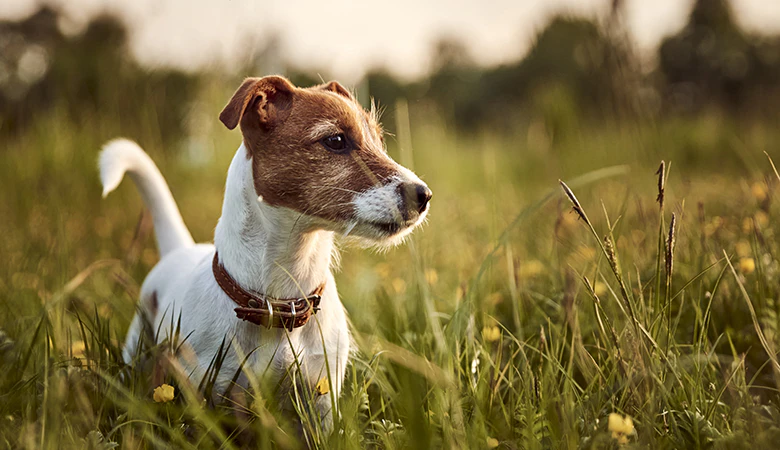
Jack Russell Terrier standing in the grass

How long is a dog in season?

Being in season refers to the period when a female dog, also known as a bitch, is fertile and can become pregnant after mating.

A dog’s season lasts approximately 3 weeks on average and can be divided into several stages:

  • Pro-oestrus: This is the first stage of the heat cycle and lasts an average of 9 days, although it can vary from a few days to 2 weeks. During this stage, you’ll notice physical changes in your dog, such as swelling of the vulva and bloody discharge. However, she will generally not allow a male dog to mate with her yet.
  • Oestrus: This is the actual heat or fertile stage, during which ovulation takes place. This stage also lasts an average of 9 days, but can continue for up to 2 weeks. The discharge often becomes less noticeable. During this stage, your female dog will be willing to mate with a male dog, so extra care is needed!
  • Metoestrus: During this stage, your female dog will no longer accept mating, and her actual season has ended. She may now be pregnant or experiencing a phantom pregnancy. During this period, progesterone levels are high in both pregnant and non-pregnant female dogs. Some dogs develop signs of a phantom pregnancy because the hormonal changes in a non-pregnant female dog closely resemble those in a pregnant dog. This is actually a natural process that originally allowed other female dogs in a pack to assist with nursing the puppies of the leading female. Some dogs show clear behavioural signs of a phantom pregnancy, while others do not. Your dog may be noticeably calmer during this period and have a reduced appetite. Some dogs start carrying soft toys around and may even produce milk. This stage lasts approximately 2 months on average.
  • Anoestrus: This is the resting stage between two seasons. The length of this period can vary considerably between dogs. In dogs that come into season every six months, this stage lasts approximately 2 months. In dogs that only come into season once a year or even less frequently, it can last up to 10 months.

Popular products

When will my dog come into season for the first time?

The age at which a female dog comes into season for the first time varies considerably. Most dogs have their first season before they turn one year old. However, there are exceptions. Particularly in larger dog breeds, it can take up to 18 months for the first season to occur. If your dog has not had her first season by the age of 2, it is advisable to have her examined by your vet.

After the first season, a female dog will usually come into season once or twice a year. Unlike humans, female dogs continue to have seasons throughout their lives. Dogs do not go through the menopause. However, fertility decreases as a female dog gets older. Unspayed female dogs may also develop certain health problems later in life, which we’ll discuss in more detail below.

How can I tell if my dog is in season?

It’s not just your dog’s body that changes, but her behaviour too! Her vulva becomes swollen, and you’ll often notice bloody discharge. If your dog is very clean and frequently grooms herself, you may hardly notice any blood.

You may also notice that your dog becomes more restless or even a little irritable. She may be more easily distracted than usual. She will also become particularly attractive to other dogs, especially males. She may urinate more frequently, which can sometimes make it seem as though she has a bladder infection.

What should I do when my dog is in season?

Bear in mind that your female dog may behave differently while she is in season. Hormonal changes can make her more restless and easily distracted. As a result, she may not respond to your commands as reliably as usual. It is advisable to keep your dog on a lead, as there is a greater risk of her running away. Try to avoid off-lead dog areas as well, since male dogs are likely to approach and bother her. You may also need to adjust your walking times to avoid encountering too many other dogs.

Season pants for your dog

If your dog has a lot of bloody discharge, it may be useful to put season pants on her. These may also reduce the spread of odours to some extent. Remember to wash and change your dog’s bedding and blankets regularly.

Can I prevent my dog from coming into season?

The most reliable way to prevent your dog from coming into season again is to have her spayed. This is a surgical procedure in which your dog’s ovaries are removed. The uterus is usually left in place unless there are abnormalities.

The advantages of spaying include preventing future seasons, unwanted pregnancies and phantom pregnancies. Spaying can also reduce the risk of mammary tumours and certain other health problems, such as pyometra (a uterine infection) and hormone-related diabetes later in life.

Hormonal treatments are also available to suppress a dog’s seasons, such as hormone injections. However, these treatments carry a considerable risk of side effects and are therefore not generally recommended.

Read more in our blog article Having Your Dog Neutered or Spayed.

What should I do if my dog has been accidentally mated?

If your dog has been accidentally mated, injections can be used to prevent a pregnancy from developing or to terminate an early pregnancy. This treatment involves two injections given 24 hours apart. It is generally recommended to administer these injections within 20 days of mating, as treatment at a later stage will result in the termination of an established pregnancy. Contact your vet as soon as possible to discuss the available options.

Do you have any questions about your dog’s heat cycle? Please contact us at veterinarian@vetsend.co.uk.

Frequently Asked Questions About Dogs in Season

How long does a dog's season last?

A dog’s season lasts approximately 2 to 3 weeks on average, although this can vary between dogs. During this time, you may notice changes such as bloody discharge, a swollen vulva and different behaviour.

When will a dog come into season for the first time?

The first season usually begins between 6 and 18 months of age. Small dog breeds often come into season earlier than larger breeds. In some giant breeds, the first season may occur even later.

When is a dog fertile during her season?

A female dog is usually most fertile around the middle of her season, but the exact timing varies between dogs. She can still become pregnant even when the bloody discharge starts to decrease. Therefore, keep her away from unneutered male dogs throughout her entire season if you do not want puppies.

Do season pants prevent your dog from being mated?

No, season pants are designed to collect bloody discharge in the home. They do not prevent mating and should not be used as contraception.

When is the best time to have your dog spayed?

The best time varies between dogs and depends on factors such as breed, age and health. The procedure is not usually performed while a dog is in season. Discuss the most suitable timing for your dog with your vet.

When should you visit the vet after your dog's season?

Contact your vet immediately if your dog becomes lethargic after her season, loses her appetite, vomits, drinks unusually large amounts of water or develops abnormal discharge. These can be signs of pyometra, a potentially serious uterine infection. Pyometra can also occur without any visible discharge.

How often do dogs come into season?

Most female dogs come into season approximately twice a year. However, this can vary depending on the individual dog and breed. Larger dog breeds in particular may have longer intervals between seasons.

How can you tell if your dog is in season?

Common signs include a swollen vulva, bloody discharge, more frequent urination and increased attention from male dogs. Some dogs also become more affectionate, restless or slightly more withdrawn.

Can you walk a dog while she is in season?

Yes, you can continue walking your dog as normal while she is in season. Ideally, keep her on a lead and avoid off-lead areas and busy places with other dogs. This reduces the risk of an unwanted mating.

Does every dog experience a phantom pregnancy after her season?

After a season, every female dog’s hormone levels change. The hormonal pattern in non-pregnant dogs is similar to that in pregnant dogs. However, not every dog develops noticeable signs of a phantom pregnancy. Some dogs display nesting behaviour, care for toys or produce milk, while others show hardly any changes.

What should you do if your dog has been accidentally mated?

Contact your vet as soon as possible. Treatments are available to terminate an unwanted pregnancy. Your vet will assess which treatment is appropriate and when it can be administered.

Sign up for our newsletter

Read our other blog articles

More tips
Armanda-Klein

About the author

Armanda, veterinary nurse at Vetsend

Armanda is a veterinary nurse and Content Specialist at Vetsend with a background in veterinary medicine. She provides accessible and expert advice on animal health, behaviour, and care, helping pet owners make well-informed decisions.

Read more about Armanda