Service
Basket
Menu
5% off dog coats, beds & cushions with code WINTER5 Read more

Step-by-step guide to setting up your aquarium

Written by Mara |

An aquarium is a beautiful piece of nature in your home, but a good start is essential for the wellbeing of your fish and the balance of the ecosystem. Careful setup helps prevent algae problems, sick fish and unstable water values. Below, you can read step by step how to properly set up an aquarium, from choosing the location to biological stabilisation.
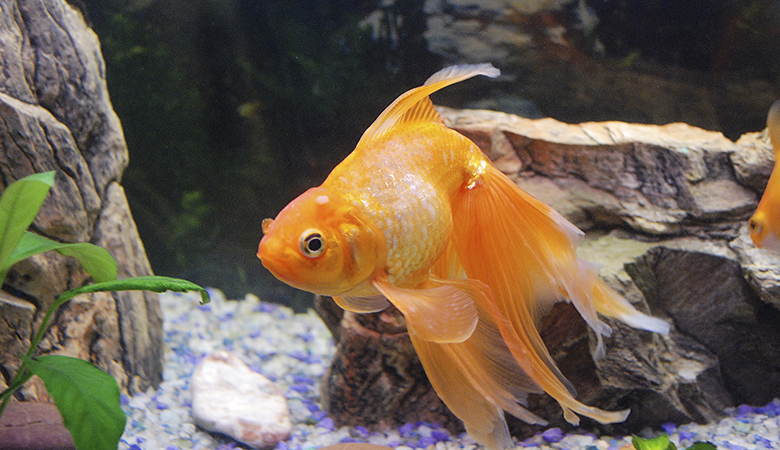
Goldfish in an aquarium

Step 1: Choose the right location

Place the aquarium on a sturdy, level surface that can support the weight of a filled tank (100 litres of water = approx. 100 kg). Avoid direct sunlight, as this promotes algae growth. Keep the aquarium away from radiators, draughts and vibrating appliances such as washing machines.

Relevant products

Step 2: Clean the aquarium thoroughly

Rinse the aquarium thoroughly with lukewarm water (without cleaning agents). New aquariums may contain dust and production residues. Decorations and substrate should also be rinsed before use.

Step 3: Install a background

Optionally, you can add a background. A background provides a calmer environment for your fish and hides cables and hoses. You can choose a background poster, a 3D background or a simple matte film.

Step 4: Add the substrate

Choose your substrate. Rinse gravel, sand or plant substrate thoroughly. Start with a layer of nutrient substrate if you are adding live plants, then cover it with decorative gravel or sand. Create a slight slope towards the back of the aquarium to add depth and help debris move forward.

Step 5: Install the equipment

Choose an internal or external filter suitable for the size of your aquarium. Make sure it remains easily accessible. For tropical fish, a heater is required. Set it to the correct temperature (usually 24–26 °C). Use lighting that supports plant growth and the natural day–night rhythm of your fish.

Step 6: Decoration and plants

Place decorations such as rocks, wood or ornaments first. Provide sufficient hiding places for your fish. Then add the plants: taller plants at the back, lower plants at the front. Leave enough open swimming space and take future plant growth into account.

Step 7: Fill the aquarium with water

Carefully fill the aquarium with cold or lukewarm tap water. Use a plate or bowl on the substrate to prevent disturbance. Do not fill the tank completely to the top; leave space for gas exchange. Switch on the equipment (filter, heater and lighting) once the aquarium is filled.

Step 8: Add water treatment products

Use a water conditioner to neutralise chlorine and heavy metals in tap water. You may also add bacterial starters to speed up the development of the biological balance. Optionally, products can be used to reduce algae growth.

Step 9: Let the aquarium stabilise for at least 2 weeks

Wait at least two weeks before adding fish. During this period, the aquarium develops its biological balance: beneficial bacteria colonise the filter and break down waste substances. Regularly test the water parameters (ammonia, nitrite, nitrate) and monitor the water temperature. Patience is essential — only add fish once the water is fully stable.

Important points when setting up your aquarium

  • Take into account the total weight of the aquarium, water, substrate and decoration. Always use a suitable aquarium cabinet or sturdy table.
  • Too much light, incorrect plant fertilisation or unstable water values promote algae growth. Use a timer for lighting (8–10 hours per day) and start with fast-growing plants.
  • Many fish need shelter. Wood, rocks and dense planting help reduce stress and encourage natural behaviour.
  • Allow the aquarium to run for at least two weeks before adding fish to prevent fish loss, nitrite spikes and excessive algae growth.

View our full range of fish supplies.

Subscribe to our newsletter

image (20)

About the author

Mara van Brussel-Broere, Veterinarian at Vetsend

Graduated as a companion animal veterinarian from Utrecht University, she uses her practical experience to advise customers and share knowledge at Vetsend. She finds it important to provide pet owners with clear information about health and wellbeing.

Read more about Mara