When does a cat develop a winter coat?
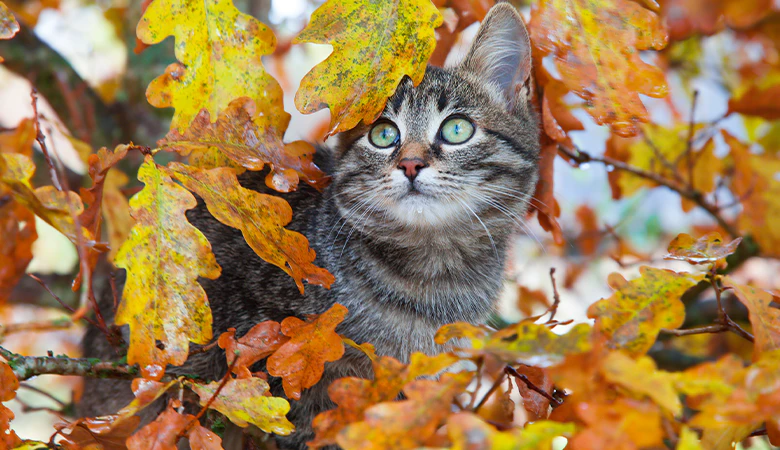
The winter coat usually begins to develop when the days become shorter in autumn. There is no fixed date on which every cat begins to moult. The process is gradual and can take several weeks.
The change can be noticeable in cats with a thick undercoat. Other cats barely seem to develop a distinct winter coat. The difference between a summer and winter coat can also be much less visible in indoor cats.
When the days become longer again in spring, the reverse process takes place and the thicker winter coat is replaced by a lighter summer coat.
How can you recognise the autumn moult in your cat?
During a normal autumn moult, you will simply find more loose hair than usual. It may be left behind on the sofa, on clothing or in your cat’s favourite sleeping place. A lot of loose hair may also come away when you stroke or brush your cat.
The skin itself should look healthy during a normal moult. Bald patches, severe itching, sores, scabs or a sudden marked change in the coat are not part of a normal autumn moult. Such symptoms may, for example, be associated with parasites, allergies, skin problems or another condition. In that case, have your cat examined by a vet.
Why do cats get more hairballs during the moult?
Cats spend a lot of time caring for their coats. Their rough tongues pick up loose hair in the process. This hair is swallowed and enters the gastrointestinal tract.
Most of this hair leaves the body normally in the faeces. Sometimes, however, hair collects in the stomach and forms a hairball. The cat may then vomit it up.
There is more loose hair in the coat during the autumn moult. This increases the chance that your cat will swallow larger amounts of hair while grooming. Long-haired cats and cats with very dense coats can be particularly affected.
Is it normal for a cat to vomit hairballs?
Vomiting a hairball occasionally can happen and does not necessarily indicate an immediate problem. However, you should not automatically consider regular vomiting normal, even when your cat is moulting heavily.
If your cat vomits frequently, repeatedly tries to bring up a hairball without producing anything, eats less, loses weight, becomes constipated or is clearly unwell, you should contact your vet. Vomiting can have many causes other than hairballs.
In rare cases, a large amount of hair can also cause problems in the gastrointestinal tract.
Coat care during the autumn moult
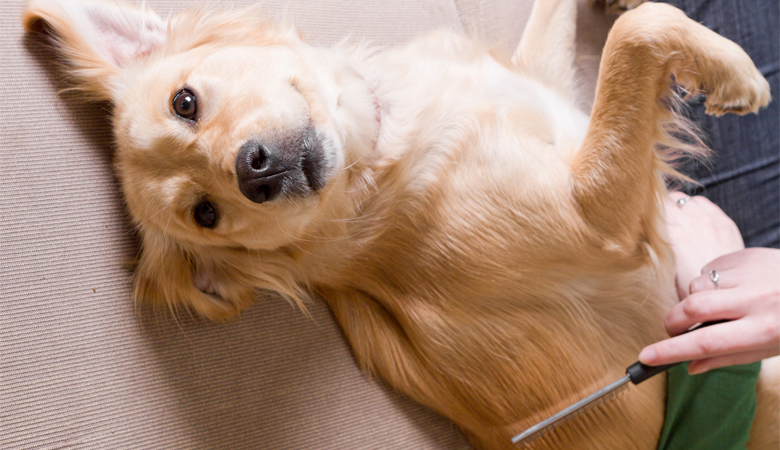
During the moult, you can help your cat by regularly removing loose hair from its coat. This means less hair reaches the tongue during grooming and potentially reduces the amount swallowed.
How often you need to brush your cat depends on its coat type. A long-haired cat usually requires more intensive coat care than a short-haired cat. Cats with a thick undercoat may temporarily need to be brushed more often during the moult.
More brushing is not automatically better. Overenthusiastic brushing or using an unsuitable grooming tool can pull out healthy hair and irritate the skin. Choose a brush or comb suited to your cat’s coat and work gently without pulling hard on tangles.
View our complete range of Coat care for cats here.
What can you do about hairballs?
Regular coat care is an important first step. You can also pay attention to diet and fluid intake. A properly functioning gastrointestinal tract helps swallowed hair pass out of the body naturally.
Special hairball pastes, foods and supplements are also available. They are designed to support the passage of hair through the gastrointestinal tract. Some products contain fibre, for example, which may help pass swallowed hair in the faeces.
Use such products according to the recommended dosage. A hairball product is also not a solution for a cat that vomits constantly or has other symptoms.
Nutrition for a healthy winter coat
Healthy skin is the foundation of a healthy coat. As obligate carnivores, cats need sufficient high-quality protein and essential nutrients. Essential fatty acids also play a role in maintaining normal skin and coat.
A complete cat food will normally provide all the necessary nutrients. Additional supplements are therefore not routinely required. If your cat has a dull, dry or markedly abnormal coat despite receiving a complete diet, it is better to investigate the possible cause first than to add various supplements automatically.
Also make sure your cat drinks enough. Wet food can contribute to daily fluid intake, which also supports the normal functioning of the gastrointestinal tract.
Help your cat through the autumn moult comfortably
The autumn moult is a normal part of the annual coat cycle. By brushing your cat regularly and correctly, you remove some of the loose hair before it is swallowed during grooming. This keeps the coat well cared for and may help reduce hairballs.
Combine good coat care with a complete diet, sufficient fluid and attention to changes in the skin and coat. This will help your cat move comfortably from its summer coat to its winter coat. Is your cat losing an unusual amount of hair, developing bald patches or moulting alongside itching, skin abnormalities or regular vomiting? Have your cat checked by a vet.
Do you have any questions? Please contact veterinarian@vetsend.co.uk.