Is this bird flu infection unique?
For the Netherlands, this was the very first confirmed H5N1 infection in cats with symptoms. However, other countries have reported cases before:
- Poland, France, USA, South Korea: cats died after H5N1 infection
- Belgium (2025): two cats infected on a poultry farm
- USA and South Korea: infection after eating raw meat
Earlier Dutch studies also found that some cats and dogs had antibodies against H5 without becoming ill. Antibodies were detected in 13.3% of hunting dogs and 3.7% of household dogs. In 2.8% of outdoor cats, antibodies against H5 avian influenza were found. These animals were not ill and no viral material was detected. This means exposure occurs, but clinical disease is rare.
Can dogs get bird flu as well?
Yes, dogs can be infected. As with cats, this usually happens through:
- eating dead wild birds
- hunting infected birds
- eating raw, contaminated meat
As noted, exposure occurs, but clinical disease is rare.
Can other pets get bird flu?
There is still much that is unclear about avian influenza. It is therefore not well established which species are susceptible. It is known that rabbits, ferrets, sheep and goats can become infected, but this appears to be very uncommon.
Can people catch bird flu from a dog or cat?
No cases have been documented to date of humans becoming infected via a dog or cat. Precautions are still advised:
- do not let a sick animal lick you
- do not let the animal sleep in your bed
- wash your hands after contact
- keep sick animals indoors where possible
Be cautious, but there is no need to panic.
What symptoms can occur in cats or dogs with H5N1?
Symptoms are often non specific, which makes immediate recognition difficult. Signs may start mildly but can worsen quickly. Early symptoms include:
- high fever
- lethargy
- reduced appetite
- conjunctivitis
- nasal discharge
Severe signs that may develop include:
- breathing difficulties or panting
- tremors
- unsteady, uncoordinated gait
- loss of consciousness
- seizures
With severe neurological signs, the prognosis is very poor. Antivirals are not permitted for use in animals and are reserved for human medicine. Supportive care such as pain relief, fluids and anti inflammatories may help in some cases, but recovery in severe infections is rare.
What should you do if your dog or cat has had contact with a (dead) bird?
Be extra vigilant and follow these tips if your animal has been in contact with a dead bird:
- prevent your pet from picking up or eating wild birds
- keep cats indoors if there is local bird flu activity
- keep dogs on a lead in high risk areas
- see your vet if you notice unusual symptoms within a week of contact
How is bird flu diagnosed?
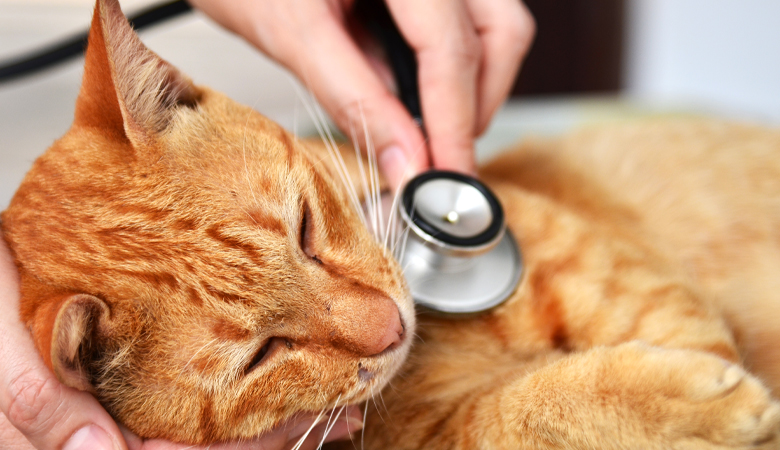
Your vet can make the diagnosis by taking samples from your pet:
- throat or nasal swab
- rectal swab
These are sent to a reference laboratory. Results are usually available within 1 to 3 days. If the result is positive, the vet or owner must report this to the Food Standards Agency (FSA). There is no compulsory culling policy for pets. A positive result therefore does not automatically lead to euthanasia. Public health services will then advise on hygiene and any risk assessment.
How can you protect your dog or cat from bird flu?
- Minimise contact with wild birds: keep dogs on a lead in areas with bird deaths, keep cats indoors during outbreaks and never allow animals to sniff or eat dead birds.
- Do not feed raw meat that could originate from wild birds: transmission through raw meat has been demonstrated in several countries.
- Mind hygiene: wash hands after contact with sick animals and keep sick animals separate from other pets.
- Contact your vet if in doubt, especially with sudden fever or neurological signs.
Should owners be worried now?
Not necessarily. Such cases are very rare, but they show the risk is not zero, especially when cats or dogs have a lot of contact with wild birds or eat raw game. With sensible precautions, you can protect your pets very well.
Do you have more questions about bird flu in pets? See the websites of Public Health England (GOV-UK), or contact the Food Standards Agency (FSA).