Service
Basket
Menu
Up to 30% off Royal Canin! Read more

Can dogs laugh?

Written by Astrid |

Every dog owner knows the look: your dog gazes at you with an open mouth, adorable eyes and an expression that looks suspiciously like a smile. But can dogs really laugh, or does it just look that way? In this blog, we take a closer look.
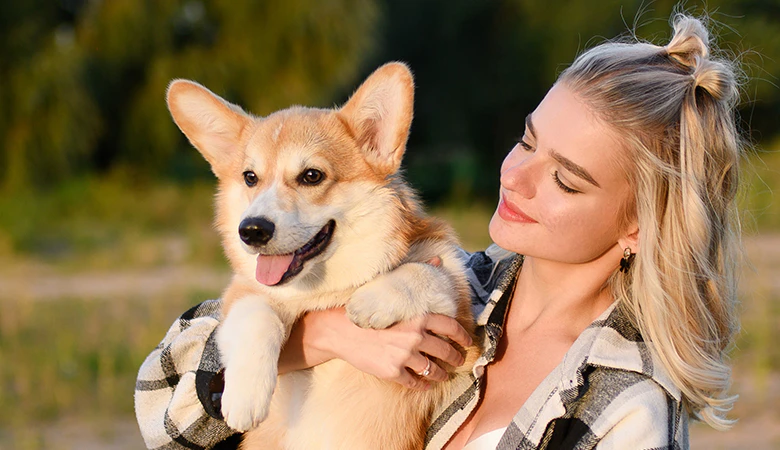
smiling corgi

Perhaps you have sometimes felt that your dog is smiling at you after a walk, while playing or when you come home. Although dogs do not laugh in the same way humans do, they can show facial expressions and body language that strongly resemble a smile. But how does this work exactly, and how can you tell whether your dog is truly happy and relaxed?

Do dogs really laugh?

The short answer is: no, not like humans do. People often laugh in response to humour or enjoyment. Dogs also experience positive emotions, but express them in a different way. They mainly use body language, facial expressions, posture and behaviour to show how they feel. A relaxed mouth, soft eyes and a cheerful posture can make a dog look as though they are smiling. This does not mean that they are literally laughing, but it can indicate that they feel comfortable and relaxed.
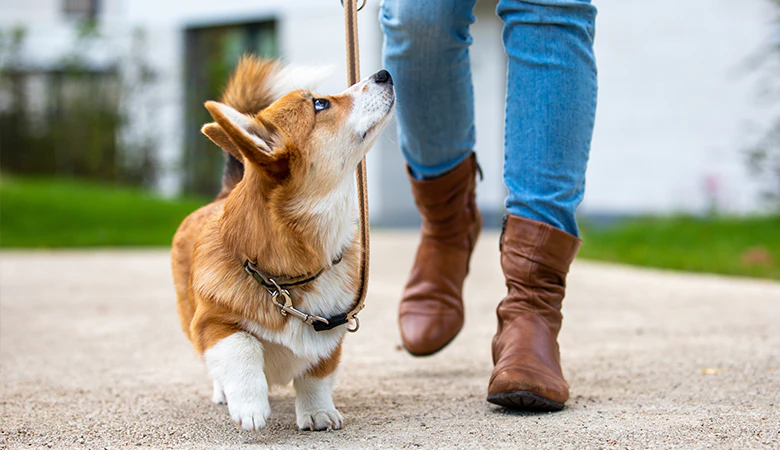
Products that will make your dog smile

Why does it look like dogs are laughing?

When a dog is relaxed, you will often see that their mouth is slightly open, their lips are loose and their eyes have a soft expression. Combined with a gently wagging tail and relaxed body, this can quickly look like a smile to us. However, facial expression only tells part of the story. Always look at your dog’s overall body language. Only when several signals indicate relaxation can you assume that your dog feels comfortable.

Some dogs really do look like they are laughing

Some dogs show something particularly amusing: when excited, they lift their upper lip slightly, making their front teeth visible. This can make it look as though they are giving you a big smile. This behaviour is also known as a submissive grin. You often see this ‘smile’ when a dog greets their owner, receives attention or is very excited. The rest of their body language is relaxed: the dog wags their tail, moves loosely and seeks contact. Because people often respond positively to this expression, a dog may also learn to show this behaviour more often.

However, a raised lip is not always a sign of happiness. If a dog shows their teeth while their body is stiff, they are growling or their posture is tense, this is a warning signal instead. Always look at the full picture rather than focusing only on the mouth.

How does a happy dog show that they are happy?

Dogs have several ways of expressing positive emotions. You can often recognise a happy dog by:

  • a relaxed body posture
  • a loosely wagging tail
  • soft, relaxed eyes
  • a slightly open mouth without tension
  • a playful posture or an invitation to play
  • seeking contact with people or other dogs

Together, these signals give a much more reliable indication than a ‘smile’ alone.

A smile does not tell the whole story

Although dogs do not truly laugh in the same way humans do, they can have facial expressions that look very similar to a smile. By looking not only at the mouth but also at the eyes, ears, tail and overall body posture, you can get a much better idea of how your dog is feeling.

Are you regularly unsure about the signals your dog is showing, or do you notice that they respond in a tense or uncertain way? Guidance from a dog training school or behaviourist can help you learn to understand their body language better.

Frequently asked questions

Can dogs really laugh?

No, not like humans do. Dogs do not laugh at humour, but they can show facial expressions and body language that resemble a smile.

Can dogs ‘laugh’ while playing?

During play, many dogs have an open mouth and a relaxed facial expression. Some researchers also describe a particular play sound that dogs make when they are having fun. It does not sound like human laughter, but it has been associated with positive emotions and playful behaviour.

What is a submissive grin?

A submissive grin is a facial expression in which a dog lifts their upper lip and shows their front teeth. Some dogs do this as a sign of friendliness or excitement, and it is not a form of aggression.

Can dogs recognise our smile?

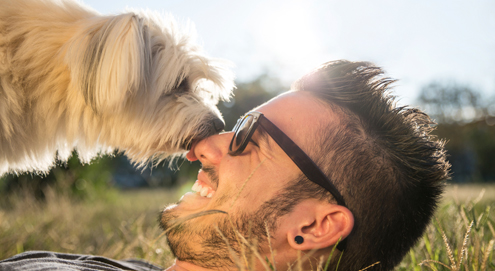
Dogs are surprisingly good at reading human emotions. They can distinguish between a friendly and an angry facial expression, and they pay attention not only to your face but also to your voice, posture and movements.

When you are relaxed and respond in a friendly way, a dog will often feel safer too. This can strengthen the bond between you and your dog.

Why does my dog look like they are laughing?

A relaxed mouth, soft eyes and loose body posture can make a dog look as though they are smiling. Some dogs also lift their upper lip when excited, making the expression look even more like a smile.

How can I tell if my dog is relaxed?

Look for a combination of a loose body posture, soft eyes, a relaxed mouth, a gently wagging tail and fluid movements. It is this combination of signals that shows that a dog feels comfortable.

Read our other blogs

More tips

Sign up for our newsletter

Astrid-Klein

About the author

Astrid, veterinary nurse at Vetsend

Astrid is a veterinary nurse and works at Medpets as a content specialist, where she uses her many years of hands-on experience to provide pet owners with clear and reliable information. She specializes in rabbit behaviour and enjoys contributing ideas for innovative products and blog posts that meet the needs of both pets and their owners.

Read more about Astrid