My cat is not drinking, but does eat wet food
When a cat mainly eats wet food, it may seem as if they hardly drink at all. Wet food consists of around 70 to 80% water, meaning cats often already get a large part of their fluid requirement through their food.
A cat that eats well, is active and gets enough wet food therefore does not necessarily need to drink a lot from their water bowl.
Why is my cat not drinking?
There are several reasons why a cat may drink little or not at all.
The water bowl is in an unsuitable place
Cats are fussy when it comes to water. Many cats prefer not to drink next to their food bowl or litter tray. A quiet place in the house can encourage your cat to drink more.
The water is not fresh enough
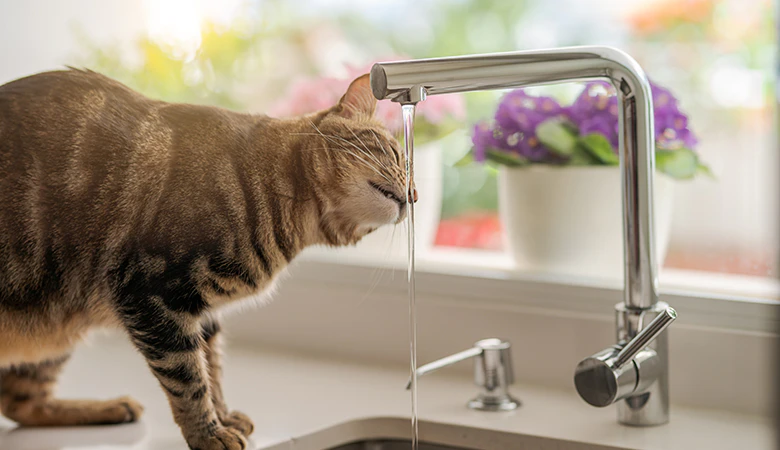
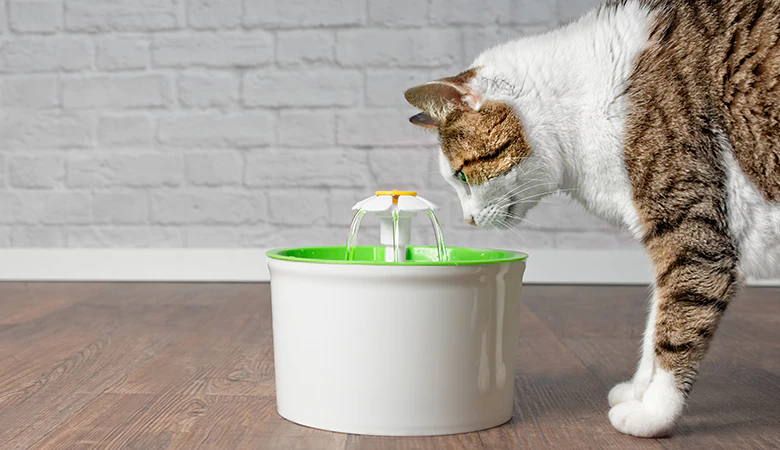
Some cats prefer fresh, running water. That is why they sometimes prefer drinking from a tap, pond or water fountain rather than from a regular water bowl.
The water bowl is not suitable
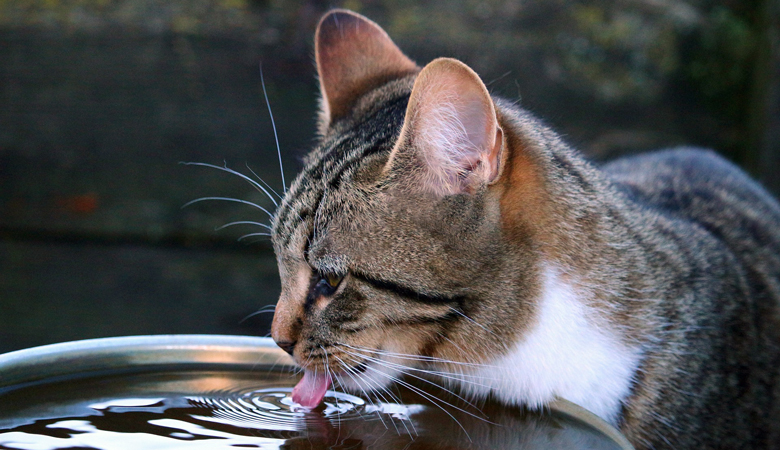
The material of the water bowl can also have an effect. Many cats prefer drinking from a glass, ceramic or stainless steel bowl rather than a plastic bowl. Some cats also dislike it when their whiskers touch the edge of the bowl.
Stress or changes
Changes at home, moving house, a new pet or other stress factors can cause a cat to temporarily drink less.
Illness
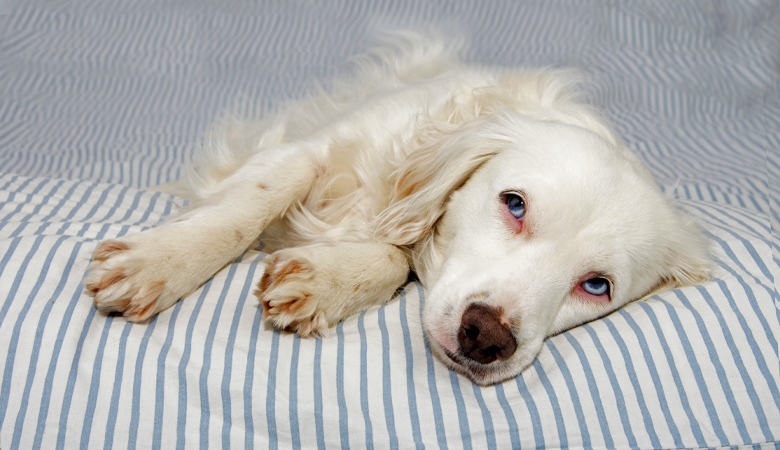
When a cat is not feeling well, fluid intake may decrease. Cats that feel nauseous, are in pain or have a fever in particular may sometimes drink less.
Dangers of dehydration
When a cat does not take in enough fluid, dehydration can occur. Symptoms of dehydration include:
- lethargy
- reduced appetite
- dry mucous membranes
- sunken eyes
- less elastic skin
Kittens, older cats and sick cats are at extra risk.
Which conditions can cause a cat not to drink?
Reduced fluid intake can occur with various health problems. For example, consider:
- kidney disease
- dental problems
- nausea
- stomach and intestinal problems
- infections
- pain
- liver conditions
When a cat suddenly stops drinking, it is therefore wise to stay alert.
How can you get a cat to drink more?
There are several ways to encourage your cat’s fluid intake.
- Give wet food: wet food contains a lot of moisture and can make an important contribution to daily fluid intake.
- Place several water bowls: some cats drink more when water is available in different places around the house.
- Try a water fountain: many cats prefer running water. A water fountain can therefore help make drinking more appealing.
- Add water to food: mixing a small amount of lukewarm water into wet food can further increase fluid intake.
- Keep the water fresh: change the drinking water daily and clean the water bowl regularly.
My cat is not drinking and is not eating either
A cat that is neither drinking nor eating should always be taken seriously. Cats can develop serious problems within just a few days if they do not eat enough. Overweight cats in particular are at risk of fatty liver disease.
If your cat is not eating, not drinking or clearly looks ill, contact your vet.
When should you go to the vet?
Contact your vet if:
- your cat has barely drunk for more than 24 hours
- your cat also does not want to eat
- your cat is vomiting
- your cat is lethargic
- you see signs of dehydration
- your cat has a known condition, such as kidney disease or diabetes
Do you have questions about your cat’s drinking behaviour? Please contact us at veterinarian@vetsend.co.uk.