Service
Basket
Menu
5% off probiotics with code PROBIOTICS5 Read more

Cold-blooded, hot-blooded and warmblood horses: what are the differences?

Written by Bo | Content Specialist |

There are many different horse breeds. These breeds are often divided into three groups: cold-blooded, warmblood and hot-blooded horses. This classification says a lot about the horse’s temperament, build and use. The terms have nothing to do with body temperature, but refer to character and ancestry. Biologically, all horses are warm-blooded
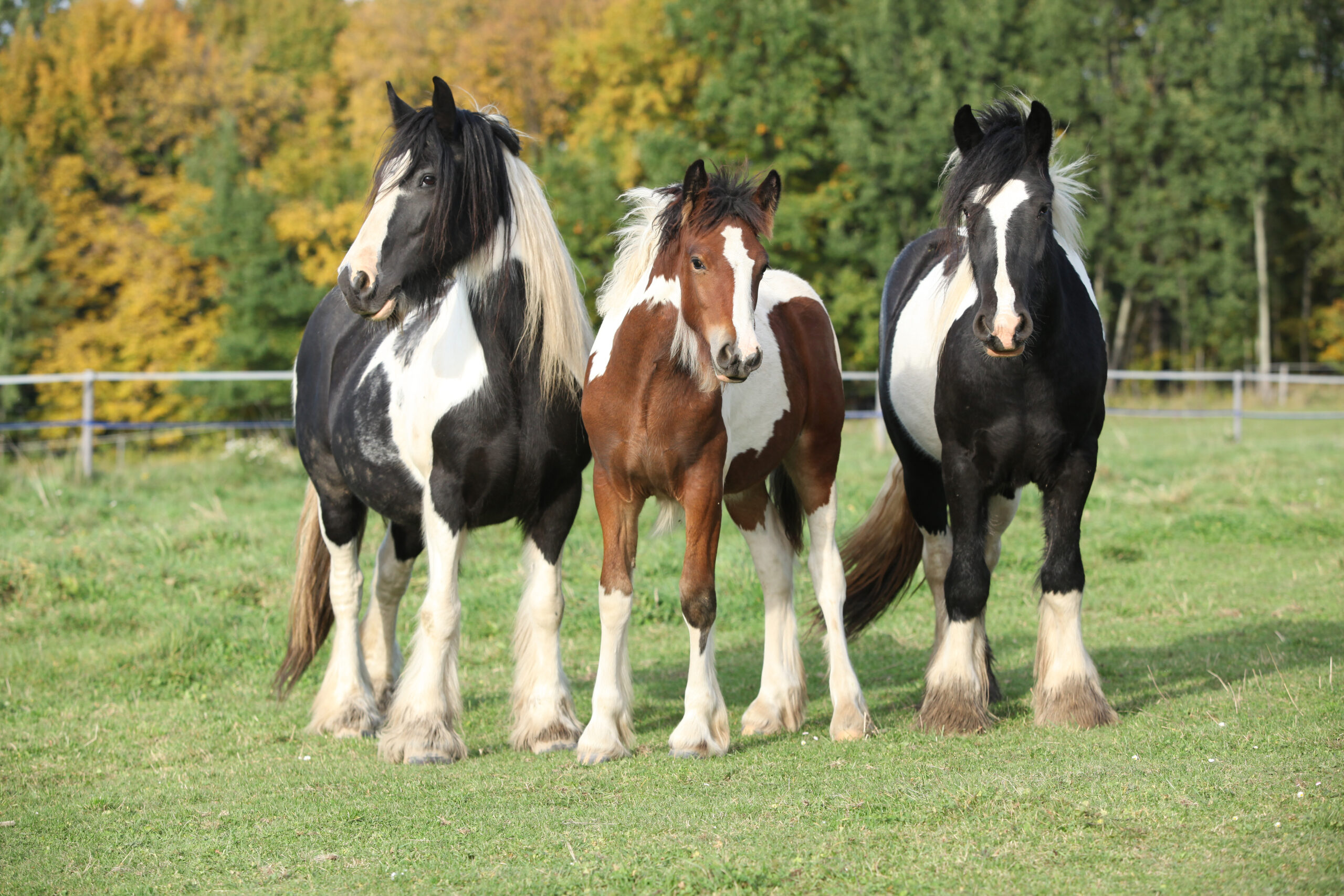
Cold-blooded horses in the meadow

Cold-blooded horses

Cold-blooded horses are known for their calm temperament and powerful build. Originally, they were often used as draught horses in agriculture and forestry. Today, they are popular for recreational riding and driving.

Although they are often associated with heavy work, many cold-blooded horses can now also be found in dressage or show jumping at a recreational level due to their reliability.

Well-known cold-blooded breeds

Examples of well-known cold-blooded breeds include:

  • Belgian Draught: the classic powerhouse.
  • Shire: the largest horse breed in the world.
  • Tinker: loved for its piebald coat and friendly character.
  • Fjord: a compact and strong horse with a distinctive upright mane.
)

Popular products for cold-blooded horses

Hot-blooded horses

Hot-blooded horses are often seen as the athletes among horses. They are bred for speed, endurance and agility and form an important foundation for many modern sport horses.

In terms of build, hot-blooded horses are slim and elegant. Thanks to their fine skin, veins are often clearly visible, which emphasises their athletic appearance.

In terms of character, hot-blooded horses are known to be intelligent, energetic and spirited. Due to their sensitive and sometimes fiery nature, they are often less suitable for beginner riders and usually require an experienced rider.

Hot-blooded horses dominate horse racing, where they can reach speeds of over 60 kilometres per hour. They also excel in disciplines such as eventing and endurance. In addition, they are used in breeding as refiners within warmblood breeding to add speed and toughness.

Arabian hot-blooded horses are also known for their relatively long lifespan, sometimes reaching 30 to 35 years. In studbook papers, a hot-blood is often recognisable by the addition ‘xx’ for an English Thoroughbred or ‘ox’ for an Arabian Thoroughbred after the name.

Well-known hot-blooded breeds

  • English Thoroughbred (xx): the ultimate racehorse, known for its speed.
  • Arabian Thoroughbred (ox): one of the oldest horse breeds in the world, famous for its endurance and refined appearance.
  • Anglo-Arabian: a cross between the Arabian and English Thoroughbred, resulting in a versatile sport horse.
  • Barb: a strong North African breed that has formed the basis of many modern Thoroughbred lines.
)

Popular products for hot-blooded horses

Warmblood horses

Warmblood horses originated from crosses between cold-blooded and hot-blooded horses. Cold-blooded horses contributed strength and a calm character, while hot-blooded horses provided speed and temperament. This combination has resulted in a versatile modern sport horse.

In terms of build, warmblood horses are lighter and more elegant than cold-blooded horses, but more robust than hot-blooded horses. They often have an athletic build with long legs and a harmonious topline, making them suitable for various disciplines.

In terms of character, warmblood horses are known to be willing to work, intelligent and alert. They are more active than cold-blooded horses, but generally easier to handle than the sometimes fiery hot-blooded horses.

Warmblood horses are widely used in modern equestrian sport. They excel in disciplines such as dressage, show jumping and eventing, both at recreational and Olympic level.

Well-known warmblood breeds

Examples of well-known warmblood breeds include:

  • KWPN (Royal Warmblood Studbook of the Netherlands): a global leader in show jumping and dressage.
  • Hanoverian: a German breed known for its excellent movement and character.
  • Belgian Warmblood (BWP): highly successful in international show jumping.
  • Holsteiner: one of the oldest warmblood breeds, especially renowned for its jumping ability.
)

Popular products for warm-blooded horses

What are the main differences between cold-blooded, hot-blooded and warmblood horses?

The difference between cold-blooded, hot-blooded and warmblood horses mainly lies in their build, character and use.

Cold-blooded horses have a powerful and robust build and are known for their calm and reliable temperament. Originally, they were used as draught horses in agriculture and forestry. Today, they are popular for recreational riding and driving.

Hot-blooded horses are slim and athletically built, with a deep chest, long neck and fine legs. They are intelligent, energetic and spirited and are mainly used in horse racing, eventing and endurance. They also play an important role in breeding as refiners of warmblood breeds.

Warmblood horses occupy a middle position in both build and character. They are lighter and more elegant than cold-blooded horses, but more robust than hot-blooded horses. With their willing and alert character, they are highly suitable for modern equestrian sports such as dressage, show jumping and eventing.

Which type of horse suits you?

The choice between a cold-blooded, hot-blooded or warmblood horse depends on your experience, goals and personal preferences. By carefully considering build, character and use, you can determine which type of horse best matches your needs in sport or recreation. View our horse breeds and find out which breed suits you best.


Sign up for our newsletter

Read our other horse blogs

More tips