Colic in horses
Colic is a phenomenon that many horse owners fear. You can read all about it in our veterinary article here.
The Tinker is a striking and much-loved horse breed, instantly recognisable by its robust build, long hair on the legs, and full mane and tail. They are most commonly seen in piebald and skewbald coat colours.
Originally bred by Irish and British travelling communities, the Tinker is known for its reliability, strength and calm temperament. This makes it an ideal horse for both beginner and experienced riders. Thanks to its level-headed nature and social character, the Tinker quickly feels at ease in a wide range of environments, from relaxed outdoor rides to driving work.
With its broad chest, strong legs and smooth movement, the Tinker is suitable for many different disciplines. Whether you are looking for a loyal family horse, a dependable leisure partner or an eye-catching presence in the ring, the Tinker offers a unique combination of charm, strength and stability that has made it a favourite worldwide.

The Tinker originates from Ireland and Great Britain. The breed was developed by nomadic travelling communities, often referred to as the Romani or Travellers, who needed a strong, reliable and friendly horse to pull their wagons. These horses had to be powerful enough for heavy loads, while remaining calm and dependable in traffic and under changing conditions.
Through careful selection, a horse emerged with a robust build, a striking piebald or skewbald coat, and long, full feathering that is characteristic of the breed. The Tinker was valued not only for its strength, but also for its gentle temperament and social nature, making it well suited to the family-oriented lifestyle of the travelling communities.
It was not until the late twentieth century that the breed was officially recognised and recorded in various studbooks, which helped make the Tinker known worldwide. Today, it is a popular family and leisure horse that still carries its origins as a reliable working partner in its character.
The Tinker is known for its friendly, social and reliable character. It is a calm and well-balanced horse that easily forms a strong bond with its handler and responds well to consistent and gentle guidance. Tinkers are eager to learn and show a strong willingness to work, which makes them versatile for use in recreation, light sport, driving and family environments.
This breed combines strength with a stable temperament, making it suitable for riders of all ages. Their patience and adaptability make the Tinker an ideal family horse, while their trainability allows them to be used in a wide range of disciplines and activities. The gentle character of the Tinker contributes to its worldwide popularity and makes it loved by both beginner and experienced riders.
The Tinker is often associated with its striking coloured coat, but this does not mean that all Tinkers are always coloured. The term coloured refers to a coat with two or more colours, usually in a clear pattern. In the Tinker, this most commonly appears as piebald black and white or skewbald brown and white patterns, often combined with eye-catching white feathering and a full mane and tail.
Alongside coloured coats, solid colours also occur, such as black, bay, chestnut or even grey, although these are seen less frequently. The coloured patterns developed historically because the travelling communities who bred the Tinker selected horses that were not only strong and reliable, but also had a recognisable appearance to distinguish their livestock and horses.
The striking colour pattern of the Tinker adds to the charm of the breed and has made it popular worldwide. It is important to know that the coloured coat has no influence on the horse’s character or performance. Tinkers remain just as strong, sociable and versatile regardless of their colour.The Tinker is often associated with its striking coloured coat, but this does not mean that all Tinkers are always coloured. The term coloured refers to a coat with two or more colours, usually in a clear pattern. In the Tinker, this most commonly appears as piebald black and white or skewbald brown and white patterns, often combined with eye-catching white feathering and a full mane and tail.
Alongside coloured coats, solid colours also occur, such as black, bay, chestnut or even grey, although these are seen less frequently. The coloured patterns developed historically because the travelling communities who bred the Tinker selected horses that were not only strong and reliable, but also had a recognisable appearance to distinguish their livestock and horses.
The striking colour pattern of the Tinker adds to the charm of the breed and has made it popular worldwide. It is important to know that the coloured coat has no influence on the horse’s character or performance. Tinkers remain just as strong, sociable and versatile regardless of their colour.
The price of a Tinker usually ranges between £1,700 and £26,000, depending on age, training, lineage and colour. Well-trained or rarely coloured Tinkers can be even more expensive. Buyers should also take monthly costs into account, such as livery, feed and veterinary care; the purchase price is only the beginning.
A Tinker lives on average between 20 and 25 years, although some horses may live longer with optimal care and good living conditions. This robust breed is known for its strong health and durable build, which contributes to a long lifespan.
Proper care is essential to keep a horse healthy. This includes a balanced diet, daily exercise through turnout or paddock time combined with appropriate training, regular veterinary check-ups, dental care and hoof maintenance.
When buying a Tinker, it is important to pay attention to health, temperament and training. Check the skin, legs and hooves, as the thick feathering and socks can be prone to skin conditions. Also look at the horse’s conformation and way of going to help prevent potential joint problems.
The temperament should match your experience. Tinkers are usually friendly and reliable, but they can also be stubborn. Watch the horse under saddle and during groundwork to see how it responds to new situations and other horses.
Also check the horse’s training and experience, its housing and feeding routine, and ask for a recent veterinary and farrier check. A pre-purchase vetting is recommended to be sure you are buying a healthy and suitable horse
The Tinker is a friendly, sociable and reliable horse known for its calm temperament and versatility. When handling a Tinker, it is important to work in a consistent and calm manner, as Tinkers are sensitive to voice and body language. They learn quickly and easily build a strong bond with their carer, which makes them suitable for both beginner and experienced riders.
Activities in which the Tinker excels:
The Tinker is robust and strong, but because of its full mane, tail, feathering and thick coat, it requires extra attention. Daily care includes brushing the coat and feathering, checking and caring for the hooves, and keeping the stable, paddock or pasture clean.
A balanced diet is important to prevent overweight, while sufficient roughage remains essential for healthy digestion. Daily exercise, turnout and appropriate training help maintain muscles, fitness and stamina. Regular veterinary check-ups, dental care and hoof maintenance are crucial to keep the Tinker healthy and vital.
Colic is a phenomenon that many horse owners fear. You can read all about it in our veterinary article here.
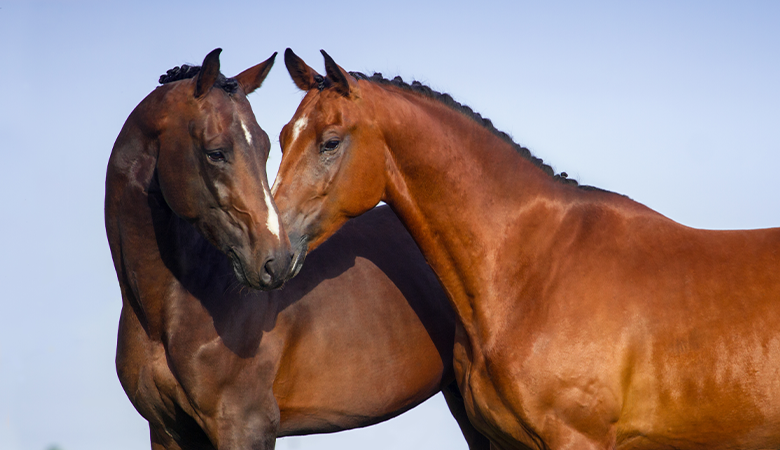
A healthy digestive system is essential for your horse’s wellbeing. Unfortunately, digestive problems are common and can range from mild to life-threatening. Because horses have a sensitive digestive tract, it is important to recognise issues early and treat or support them in a targeted way. In this blog, we discuss three common conditions: gastric ulcers, colic and fecal water.
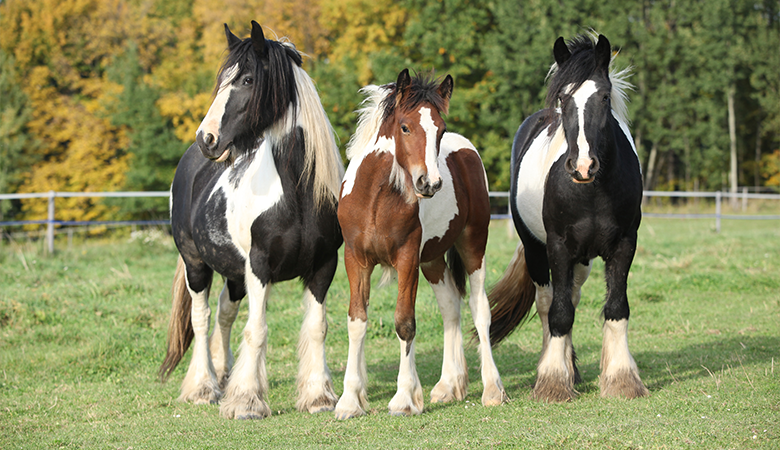
Allergies are more common in horses than many owners realise. Around one in five horses has an allergy to something. These allergies are often missed because the signs are easily attributed to “normal” itch, a bit of rubbing or an innocent cough. In this blog, we look at the main types of allergies, how to recognise them, what you can do, and the role of diet and supplements.

Add products to view your basket
We use cookies to help us serve you better and more personally. Functional cookies ensure that the website works properly and have an analytical function. We also use technology to track your behaviour anonymously, both inside and outside our website. Personal data and cookies may be used for personalisation or advertising. Want to know more? Read our privacy policy and cookie statement here. If you choose to reject, we will only place functional and analytical cookies.