When does a horse need a blanket?
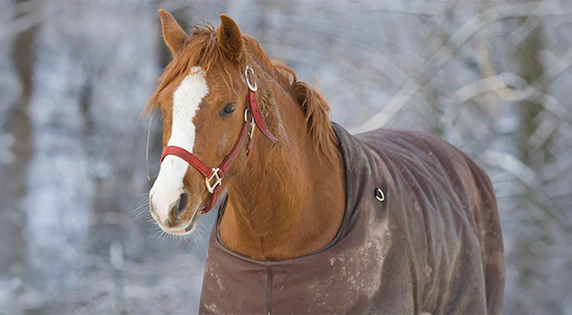
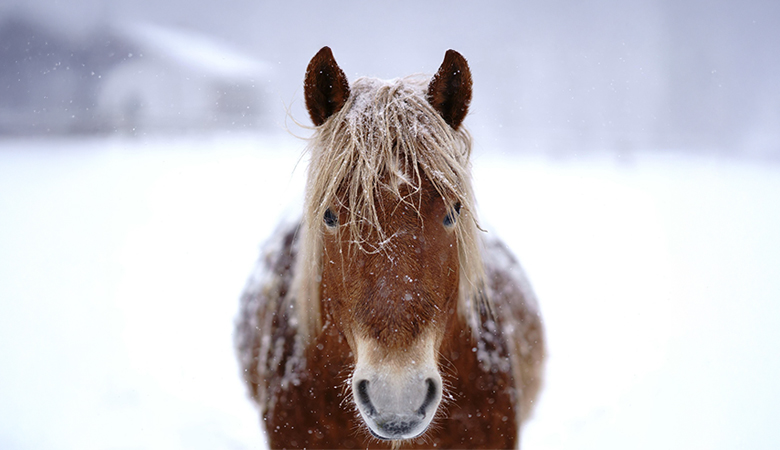
A healthy horse can keep itself warm in many situations. Thanks to its winter coat and the ability to raise its hair, an insulating layer of air forms close to the skin. In addition, a horse produces heat through the digestion of roughage; sufficient exercise and access to hay support this natural process.
A blanket may play a role when:
- a horse has been clipped
- a horse does not develop a sufficient winter coat
- the animal is older, underweight or recovering
- there is prolonged cold and wet weather combined with little shelter
- the horse is in intensive training and recovery needs support
A horse does not automatically feel cold as soon as the temperature drops. The overall picture (coat, condition, housing and weather conditions) determines whether a blanket is necessary.
Winter coat and the effect of a blanket
A horse with a thick winter coat has a natural insulating layer. By raising the hairs, air is trapped between the skin and the coat. This still air acts as insulation and helps the horse maintain its body temperature. When a blanket is placed over a full winter coat, the hairs are pressed flat. This reduces part of the insulating air layer and makes natural temperature regulation less effective. In some situations, a blanket may actually disrupt the coat’s natural temperature regulation.
This does not mean that a horse with a winter coat never needs a blanket. However, it is important to make a conscious choice and regularly check whether the blanket still suits the conditions. The horse’s condition, the weather and housing remain decisive factors.
The right type of blanket at the right time
Not every blanket is suitable for every season. When comparing horse blankets, it is important to consider the purpose of use. A turnout rug protects against rain and wind but usually has little or no filling. A stable rug is intended for indoor use and is often not waterproof. A winter rug combines waterproofing with insulating filling. In addition, there are sweat rugs that help the horse dry in a controlled way after intensive exercise.
The moment of use therefore determines which type of blanket is suitable. In spring and autumn, a lighter blanket may be sufficient, while in winter a filled blanket offers more protection, especially for clipped horses.
Fill weight: what do those grams mean?
The thickness of a blanket is expressed in grams of filling, which indicates its insulating value. Although every situation is different, the following general guideline is often used for clipped horses:
- 0 grams: no filling (around 10°C and above, in dry weather)
- 50 – 150 grams: light filling (approximately 5 – 10°C)
- 200 – 300 grams: medium weight (around 0 – 5°C)
- 300 grams and more: heavy filling (below freezing)
The suitable fill weight depends on temperature, wind, humidity, coat and housing. A clipped horse in an open, windy environment generally needs more insulation than an unclipped horse with access to shelter. As the weather can change, it may be necessary to switch blankets during the day. A blanket that is too warm can cause sweating underneath, which may lead to cooling once the horse stands still.
Neck or no neck?
Some blankets have a fixed neck, others have a detachable neck or no neck at all. A neck cover provides extra protection against rain and cold, especially for clipped horses. At the same time, a neck can affect freedom of movement and create extra pressure on the withers and mane. In mild weather or for horses with a full winter coat, a neck is not always necessary. The choice depends on the weather conditions and how sensitive the horse is.
Fit and size
A good fit is essential to prevent rubbing and pressure points. A blanket that is too small can be tight around the chest and shoulders, while a blanket that is too large may shift and cause friction.
When measuring, always consider the back length from withers to tail base and follow the manufacturer’s size chart. After placing the blanket, check whether it:
- allows sufficient freedom of movement at the shoulders
- is not too tight at the chest closure
- does not slide backwards
- fits neatly without twisting
Regular checks are important, especially for young horses or animals that change in weight.
Material and freedom of movement
The outer material determines, among other things, waterproofness and durability. Strength is often indicated in denier; the higher this number, the stronger and more tear-resistant the fabric. The inner lining affects comfort. A smooth lining can help reduce friction and keep the coat in good condition. The shape of the shoulder cut and any leg openings also influence freedom of movement.
Preventing rubbing
Rubbing is usually caused by friction, pressure or a combination of moisture and movement. Therefore, regularly check the withers, shoulders, chest and hips. A well-fitting blanket, correctly adjusted closures and suitable material reduce the risk of irritation. For prolonged use, it is advisable to check the skin and coat daily and remove the blanket temporarily if needed.
Other types of horse blankets
In addition to turnout rugs, stable rugs and winter rugs, there are also blankets designed for purposes other than warmth.
- Fly rugs are used to protect against insects in spring and summer. They are lightweight, breathable and unfilled.
- Sweet itch rugs are specifically designed for horses sensitive to insect bites. These blankets cover a larger part of the body and act as a physical barrier against external irritants.
Here too, fit, material and moment of use determine comfort.
Regularly evaluate and adjust
The need for a blanket is not fixed. Changes in temperature, precipitation, wind and variations in training or condition can all influence what is appropriate. This means blankets may sometimes need to be changed several times a day to match the situation.