What is the best dog food?
The answer to the above question is subjective and depends on your own preference and that of your dog. We’ve made an overview of the most popular diets in every category, using our extensive range of dog foods.
The Akita is a large, powerful dog with a thick double coat and a loyal look. Originally bred in Japan as a hunting dog for large game, he is known for his strength, loyalty and intelligence. This independent and courageous dog forms a strong bond with his family and likes to follow his own will, but can be reserved around strangers. The Akita is reliable, calm and protective, but needs consistent and strict training to develop in the best possible way. Thanks to his confident and independent character, this breed is best suited to experienced owners who can provide clear structure.

The Akita originates from the Akita region in northern Honshu, Japan, where for centuries he was used as a hunting dog for large game such as bears, boars and deer. The breed is known for its faithfulness and loyalty, especially since Hachiko: an Akita who, in the 1920s, waited nine years for his owner after he had passed away. Over the years, two varieties have developed: the Japanese Akita Inu, which stayed true to the original type, and the American Akita, a more robust variety that arose from crosses with larger European breeds. With his confident appearance and devoted nature, the Akita is not only a powerful working dog, but is also loved as a pet by experienced owners.
The Akita is known for his intelligent, confident and loyal character. He bonds strongly with his family and is devoted to his owner, but often remains reserved around strangers. Because of his independence, he can sometimes be stubborn, but also attentive, which makes him a reliable dog. This breed is not particularly playful, but is alert and watchful, with a natural protective instinct. The Akita rarely barks and usually reacts calmly to stimuli in his environment. He can develop at his best with an owner who is clear, consistent and strict in training. The Akita needs structure, good socialisation and consistency. With the right approach, he grows into a devoted and faithful companion.
The Akita is a large, strong dog with a powerful appearance. His most distinctive features are his broad skull, strong jaws and small, upright ears that point slightly forward. The eyes are small, dark and triangular in shape, giving him an alert expression. The Akita has a dense double coat with a soft, insulating undercoat and a straight, harsh outer coat that protects against various weather conditions. He carries his thick, well-furred tail in a firm curl over his back. The breed comes in several colours, including red, white, sesame and brindle, often with white markings on the chest, legs or tip of the tail. The Akita has a compact yet powerful build, with a deep chest, strong back and well-muscled legs that stand straight and firm. All in all, the Akita is an impressive dog that radiates strength and calmness in his movements.
The Akita is a strong and confident dog that does not require a lot of exercise. Daily walks totalling 45 to 60 minutes, spread over several outings a day, are generally sufficient to keep him content. He is naturally alert and physically strong, but not hyperactive, which means calm activities such as walking and scent work suit him best. Taking part in intensive dog sports is usually not necessary or suitable for the Akita, but he does benefit from regular mental stimulation and a clear structure. Think of search games, obedience exercises or learning new commands. A calm owner with enough time and attention, who can offer both exercise and moments of rest, fits best with his natural needs.
The Akita has a dense double coat with a soft undercoat and a straight, harsh outer coat. To keep his coat healthy and limit shedding, it is recommended to brush him weekly. Especially during moulting periods, usually in spring and autumn, he loses large amounts of hair and daily brushing may be needed to remove loose hairs and prevent tangles. In addition, it is important to regularly check the ears, eyes, nails and teeth. Clean the ears if necessary and keep the nails short so he does not experience discomfort while walking. Daily tooth brushing can help reduce or even prevent tartar and gum problems in the long term.
The Akita is generally a robust and strong breed, but there are a number of hereditary conditions that you should be aware of as an owner. Hip dysplasia occurs regularly in this breed and can lead to painful joints or arthritis, especially later in life. In addition, autoimmune diseases such as Vogt Koyanagi Harada syndrome and systemic lupus erythematosus are known health risks in Akitas. Hypothyroidism is another common condition in which the thyroid gland works too slowly. This can result in lethargy, weight gain and skin problems. The Akita is also prone to progressive retinal atrophy (PRA) and other eye conditions that affect vision. Finally, you should take into account the risk of gastric torsion, an acute and life threatening twisting of the stomach that requires immediate medical attention. A responsible breeder tests parent dogs for these conditions and works with healthy, well socialised lines. Regular health checks and a balanced lifestyle help to detect problems early and support your Akita’s health.
Do you find the Akita a beautiful dog, but are you also curious about breeds with similar traits in appearance, character or background? Although the Akita is unique, some breeds share his independent nature, powerful appearance and strong bond with the family:
When buying a puppy or adult Akita, it is important to proceed carefully. Always choose a reliable breeder who puts health, character and socialisation first. Ask for the health test results of the parent dogs and check whether they have been tested for hereditary conditions such as hip dysplasia, to reduce the risk of problems as much as possible. Also enquire about how the puppies are or were raised. An Akita that grows up in a calm, home environment learns to deal better with stimuli and can therefore develop as well as possible. When buying a puppy, pay attention to behaviour. Akita puppies are often calm and observant, but should not appear fearful or withdrawn. A serious breeder will not only be transparent about their methods, but will also ask questions about your experience, living situation and expectations. This allows them to assess whether this breed suits you. By properly informing yourself about a responsibly bred Akita, you increase the chance of a healthy, balanced and loyal companion.
p>The Akita is a calm and independent dog with a strong character. He is intelligent, loyal and bonds closely with his family, but usually remains reserved around strangers. Because of his independence, he needs an owner with experience of confident dogs who also knows how to provide leadership in a calm but clear way. Considering an Akita? Then it is important to see whether this breed fits your lifestyle.
Below are a few points to help you decide if this breed suits you:
The Akita is mainly suitable for experienced dog owners. Because of his independent character, protective instinct and sensitivity to stimuli, he needs a clear and calm upbringing. For people without experience, or in a busy, chaotic living environment, this breed is less suitable.
The Akita is therefore ideal for experienced owners with a calm lifestyle, who have the time and attention to offer him a loving and structured environment.
The answer to the above question is subjective and depends on your own preference and that of your dog. We’ve made an overview of the most popular diets in every category, using our extensive range of dog foods.
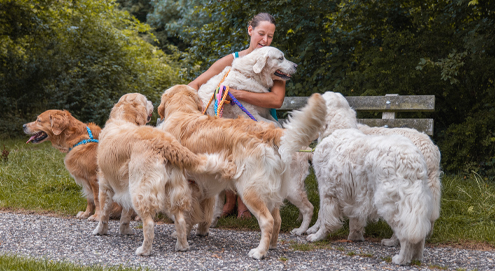
This blog article discusses 10 common large dog breeds with the most important characteristics associated with these breeds. Large dog breeds are dogs with an adult weight heavier than 25 kg. Interested in another breed not listed in our top 10? Then take a look at our dog breeds page.
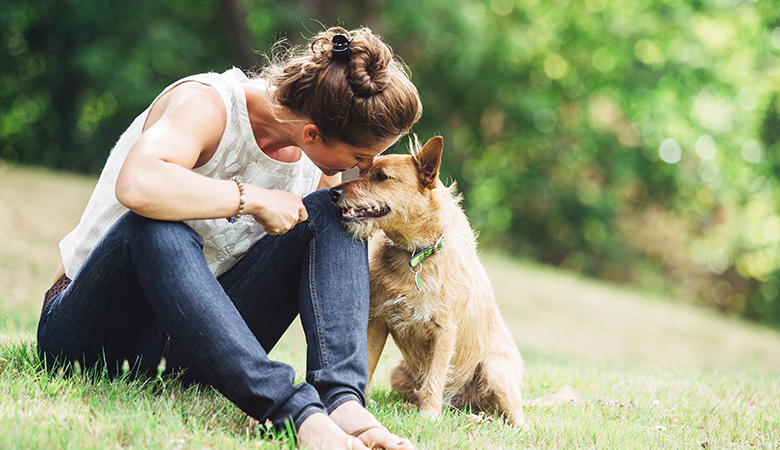
There are now more than 350 recognised dog breeds, each with its own unique characteristics—and that’s exactly what makes them so fun! From Great Danes to Chihuahuas, every breed has its own charm. Many people choose a dog based on its size. However, size says little about a dog’s character, and therefore not whether it truly suits you. Of course, it might not be the best idea to choose a Saint Bernard if you live in a small apartment.

Add products to view your basket
We use cookies to help us serve you better and more personally. Functional cookies ensure that the website works properly and have an analytical function. We also use technology to track your behaviour anonymously, both inside and outside our website. Personal data and cookies may be used for personalisation or advertising. Want to know more? Read our privacy policy and cookie statement here. If you choose to reject, we will only place functional and analytical cookies.