Service
Basket
Menu
World Animal Day is coming up: up to 50% off! Read more

Dutch Shepherd

The Dutch Shepherd, officially known as the Dutch Shepherd Dog, is an active, intelligent and versatile working dog of Dutch origin. The breed was originally used with flocks of sheep and on farms, where it carried out a variety of tasks. That strong work drive is still clearly present today. The Dutch Shepherd has plenty of energy and stamina and enjoys working together with its owner. It is loyal, alert and eager to learn, but can also act independently. Consistent, positive training and sufficient physical and mental stimulation are therefore important. The breed is best suited to an active owner who enjoys training, walking or taking part in dog sports with their dog.

Dutch Shepherd

Characteristics

Country of origin: The Netherlands
Body build: A medium-sized, muscular and well-balanced dog with a powerful but not heavy appearance.
Colours and coat types: Gold or silver brindle. There are three coat varieties: short-haired, long-haired and rough-haired. All three have an undercoat.
Weight: 23 - 28 kg
Height: 55 - 62 cm
Life Expectancy: 12 years on average
Health risks: Hip dysplasia (HD), elbow dysplasia (ED) and, in the rough-haired variety, goniodysplasia, which can be associated with glaucoma.
Kennel Club Breed Standards: 1. Sheepdogs and Cattle Dogs
Suitable for: Active, consistent and committed owners who want to do plenty of activities with their dog

Temperament profile

Eager to learn
Trainability
Sociable
Energy
Exercise
Watchful
Child-friendly
Hunting instinct
Playful
Coat care

Popular products for the Dutch Shepherd

Origin of the Dutch Shepherd

The Dutch Shepherd was originally a versatile Dutch farm and shepherd dog. In the countryside, it helped guard and move flocks of sheep. On the farm, the Dutch Shepherd had even more duties. For example, it helped gather cows for milking, kept chickens out of the vegetable garden, pulled milk carts and warned when strangers entered the farmyard. Intelligence, independence, stamina and cooperation with the farmer were important qualities for this wide range of tasks. Around 1900, many flocks of sheep disappeared from the Netherlands, which also reduced the Dutch Shepherd’s original work. However, its versatility meant that the breed took on new roles. Dutch Shepherds were used as police dogs, search dogs and tracking dogs, among other things. Even today, the breed is still used for various types of work and dog sports.

Temperament of the Dutch Shepherd

The Dutch Shepherd is known as a loyal, alert, active and intelligent dog. It has plenty of stamina and a lively temperament. It enjoys working with its owner, while at the same time retaining the independent nature it needed for its original work. This makes the Dutch Shepherd highly trainable, but not automatically easy to raise. It learns quickly and generally needs plenty of activities that challenge it both physically and mentally. Clear rules, consistency and positive training methods suit this breed well. A harsh approach is unnecessary and can even be counterproductive. The Dutch Shepherd is generally loyal and devoted to its own family. It can be somewhat more reserved around strangers. It is also naturally watchful and alert. Good socialisation from a young age is therefore important.

All about the Dutch Shepherd

What does the Dutch Shepherd look like?

The Dutch Shepherd is a medium-sized, muscular dog with a strong and athletic build. Its body is slightly longer than it is tall. It has upright ears and dark, almond-shaped eyes.

One of the Dutch Shepherd’s most distinctive features is its brindle coat. This means that dark stripes run through the coat. The base colour is gold or silver. In gold brindle dogs, the colour can vary from light sandy shades to chestnut red. The Dutch Shepherd also often has a dark or black mask around the muzzle.

There are three different coat types: short-haired, long-haired and rough-haired. The short-haired Dutch Shepherd has a short, firm coat with a soft undercoat. The long-haired variety has longer, straight hair and also has an undercoat. The rough-haired variety has a harsh, slightly tousled coat and can be recognised, among other things, by the longer hair around the muzzle and eyebrows.

How much exercise does the Dutch Shepherd need?

The Dutch Shepherd is an active dog with plenty of energy and stamina. A few short walks a day are therefore not enough for most Dutch Shepherds. It needs daily exercise, but it is also important for it to use its brain.

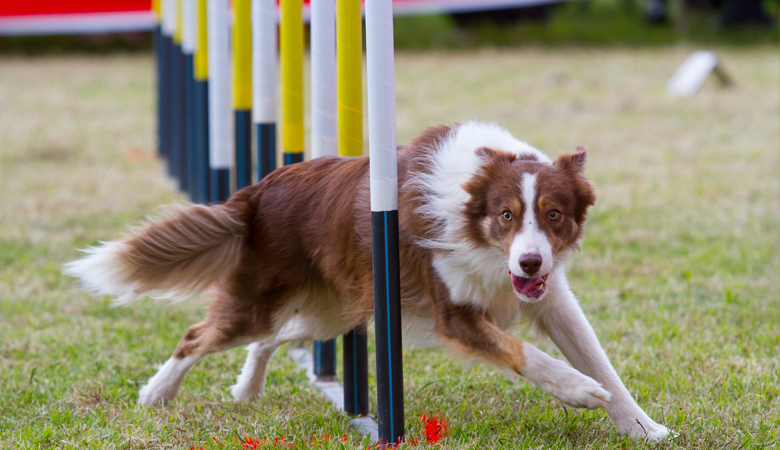
Long walks, tracking, search games and training together are well suited to this breed. Dog sports such as agility, obedience and sheep herding can also provide an enjoyable challenge. Puzzles and other brain games are suitable for keeping the dog occupied indoors as well.

Exactly how much exercise a Dutch Shepherd needs varies from dog to dog. Age, health and fitness all play an important role. Exercise should be built up gradually in puppies. Strenuous activity and prolonged physical strain are less suitable while they are still growing.

For a Dutch Shepherd, it is especially important to alternate physical exercise with mental stimulation. Sniffing, learning new exercises and doing activities together with the owner provide the challenge it needs. Do not forget to allow enough time for rest as well.

What care does the Dutch Shepherd need?

Coat care depends on the coat type. A short-haired Dutch Shepherd requires relatively little grooming. Regular brushing helps remove loose hair and dirt. During shedding periods, more frequent brushing may be necessary.

The long-haired Dutch Shepherd requires slightly more grooming. Regular brushing helps remove loose hair and prevent tangles.

The rough-haired coat requires a different approach. This coat is usually hand-stripped several times a year when the old hairs begin to loosen. A professional dog groomer with experience of rough-haired dogs can help with this.

Also check the ears, eyes, skin and paws regularly. Keep an eye on the nails too and trim them when they become too long. Dental care is also important. Ideally, brush the teeth every day using a toothbrush and toothpaste designed especially for dogs.

What are the most common health problems in the Dutch Shepherd?

The Dutch Shepherd is generally considered a reasonably healthy breed. However, as with other dog breeds, hereditary health problems can occur.

One condition to be aware of is hip dysplasia (HD). With this condition, the hip joint does not develop properly, which can eventually cause pain and mobility problems. Elbow dysplasia (ED) can also occur. In this condition, the elbow joint does not develop properly. For this reason, dogs used for breeding are tested for problems affecting the hips and elbows, among other things.

In rough-haired Dutch Shepherds, particular attention is also paid to goniodysplasia. This is an abnormality in the eye that can increase the risk of glaucoma. With glaucoma, the pressure inside the eye becomes too high. This is painful and can damage vision.

Which breeds are similar to the Dutch Shepherd?

There are several shepherd breeds that share similarities with the Dutch Shepherd in terms of temperament, intelligence and need for activity:

  • Belgian Shepherd: an intelligent, active and versatile shepherd dog that enjoys working with its owner. The Belgian Malinois in particular has plenty of energy and a strong work drive.
  • German Shepherd: like the Dutch Shepherd, this is an intelligent and versatile working dog. The German Shepherd is usually somewhat larger and more heavily built.
  • Border Collie: a highly intelligent and energetic shepherd dog that needs plenty of exercise and mental stimulation. However, the Border Collie has a different appearance and a different style of herding sheep.

What should I consider when buying a Dutch Shepherd?

When buying a puppy, it is important not to focus only on appearance. Pay close attention to the health and temperament of the parent dogs as well. A Dutch Shepherd should be alert, loyal and reliable.

Ask the breeder which health tests have been carried out on the parent dogs and whether you may see the official results. Testing for hip dysplasia (HD) and elbow dysplasia (ED) is important. For rough-haired Dutch Shepherds, it is also advisable to ask about eye testing and goniodysplasia.

Also take a close look at the environment in which the puppies are raised. Good socialisation is important for the development of a Dutch Shepherd. A puppy should be introduced in a positive way to different people, sounds, animals and everyday situations.

Ask the breeder what kind of temperament you can expect from the puppy. Some Dutch Shepherds are specifically bred for work or dog sports and may therefore have particularly high energy levels and a strong work drive. Such a dog needs a great deal of training and stimulation and will not suit every household. A good breeder can help determine which puppy best suits your experience and lifestyle.

What type of owner is the Dutch Shepherd suitable for?

The Dutch Shepherd is best suited to someone who consciously chooses an active and intelligent working dog. It likes to be part of everyday life and needs more than just its daily walks around the neighbourhood.

The Dutch Shepherd is suitable for an owner who:

  • Is looking for an active, intelligent and eager-to-learn dog
  • Has enough time every day for exercise and mental stimulation
  • Enjoys training with their dog or taking part in dog sports
  • Can provide consistent, clear and positive training
  • Pays sufficient attention to good socialisation
  • Takes its watchful and alert nature into account
  • Is looking for a dog that can form a strong bond with its family
  • Understands that rest and relaxation are just as important as activity
  • Pays attention to health testing and the temperament of the parent dogs when buying a puppy

Is the Dutch Shepherd suitable for beginners or experienced owners?

The Dutch Shepherd is generally better suited to an experienced dog owner or a highly motivated beginner who thoroughly researches the breed. Its intelligence and eagerness to learn make it very trainable, but its energy, independence, watchfulness and need for mental stimulation can be quite demanding for an inexperienced owner.

Experience with active working dogs or shepherd breeds is particularly beneficial when it comes to dogs from strongly work-oriented lines. It is important to discuss with the breeder beforehand what temperament and activity level you can expect and whether that particular pairing is suitable for your lifestyle. If you invest enough time in socialisation, positive training, exercise and shared activities, the Dutch Shepherd can become a dog that enjoys working with you and forms a strong bond with its owner.

The Dutch Shepherd is particularly well suited to an experienced, active and consistent owner who is not simply looking for a companion dog, but enjoys working, learning and being active together with their dog.

More tips