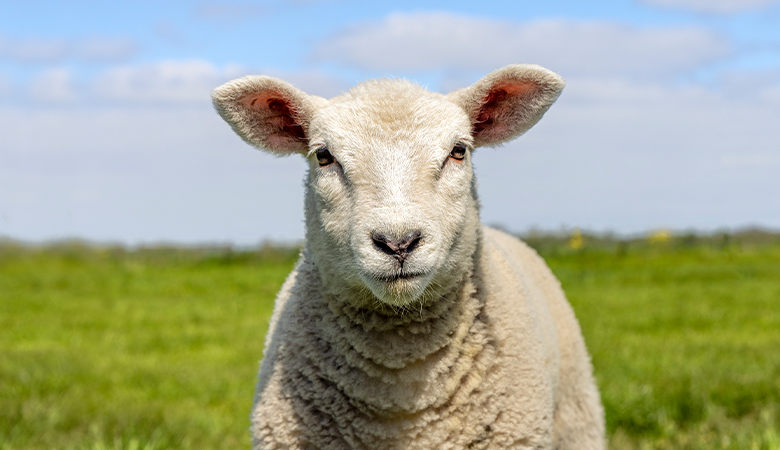
Everything you need to know about keeping sheep
Sheep are often kept as hobby animals or for grazing. These herd animals require specific care. In this blog, you will read what is important when keeping sheep.
The sheep is a well known farm animal that has been kept for centuries for wool, milk, meat and grazing pastureland. Sheep belong to the bovine family and naturally live in flocks. They are known for their thick wool coat, calm temperament and strong social behaviour. Sheep are grazing animals and spend a large part of the day eating and ruminating. Because of their need for space, companionship and suitable grazing land, it is important to adapt their environment to their natural behaviour.

Sheep feel most comfortable in a spacious and calm environment with sufficient grazing land. A dry and clean shelter is important to protect them from rain, wind and strong sunlight. Because sheep are true flock animals, they should not be kept alone. Good fencing is important so the animals can graze safely and remain protected from predators. Sheep should also always have access to fresh drinking water and dry resting areas.
Sheep are herbivores and mainly eat grass, herbs and hay. The basis of their diet consists of fibre rich food that supports healthy digestion. In some situations, additional sheep feed may be needed, for example during pregnancy, growth or colder periods. It is important to be careful with concentrates, as an incorrect feeding pattern can cause health problems. Sheep should also not receive feed that is harmful to ruminants.
Sheep are calm and social animals that feel safe in a group. Within a flock, they strongly follow one another and seek protection from companions. Sheep can become accustomed to people, especially when they have regular contact with their caretaker from a young age. However, they naturally remain alert animals that can be startled by loud noises or sudden movements. Calm and consistent handling helps to reduce stress.
Sheep reproduce by giving birth to live young. The breeding season usually takes place in autumn, after which the gestation period lasts around five months. A ewe often gives birth to one or two lambs per litter. Shortly after birth, lambs are usually able to stand and drink from their mother. During the first stage of life, good care, sufficient colostrum and a warm environment are very important. During lambing season, extra monitoring is needed to quickly recognise problems during birth.
Sheep mainly eat grass, hay and herbs. Sometimes they receive additional sheep feed, depending on their age, condition or the time of year.
Many sheep breeds need to be sheared annually. A coat that is too thick can cause health problems, especially during warmer periods.
Yes, sheep are regularly kept as hobby animals. However, it is important that owners have sufficient knowledge, space and time for proper care.
No, sheep are true flock animals and do not feel comfortable without companions. It is therefore not recommended to keep a sheep alone.
Sheep need sufficient grazing land to graze and move around. The exact amount of space depends on the number of sheep and the quality of the pasture.
Yes, sheep need a dry and sheltered place where they can seek protection from rain, wind and extreme temperatures.
Sheep are kept as hobby animals, for grazing or within the agricultural sector. They are suitable for owners with enough space, knowledge of care and access to suitable grazing land.
Daily care consists of checking feed and water, monitoring health and keeping the living environment clean. In addition, the hooves should be checked and cared for regularly to prevent hoof problems. For many breeds, shearing is also necessary to avoid health problems caused by a coat that is too thick.
Because sheep are sensitive to parasites, good pasture management is important. Regular health checks help to identify problems at an early stage.
Sheep are often kept as hobby animals or for grazing. These herd animals require specific care. In this blog, you will read what is important when keeping sheep.
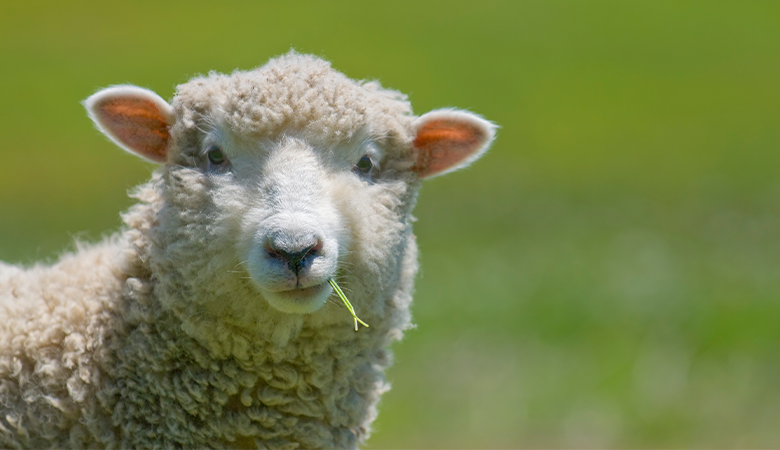
Sheep are generally hardy animals, but they can be susceptible to various infectious diseases, parasites and hoof problems. Some conditions cause only mild symptoms, while others can have serious consequences for the health of the flock. Good prevention, such as vaccination, hygiene, pasture management and regular monitoring of the animals, is therefore very important. In this blog, we discuss a number of common health problems in sheep and what you should look out for as a sheep owner. Below you will find an overview of common health problems in sheep.
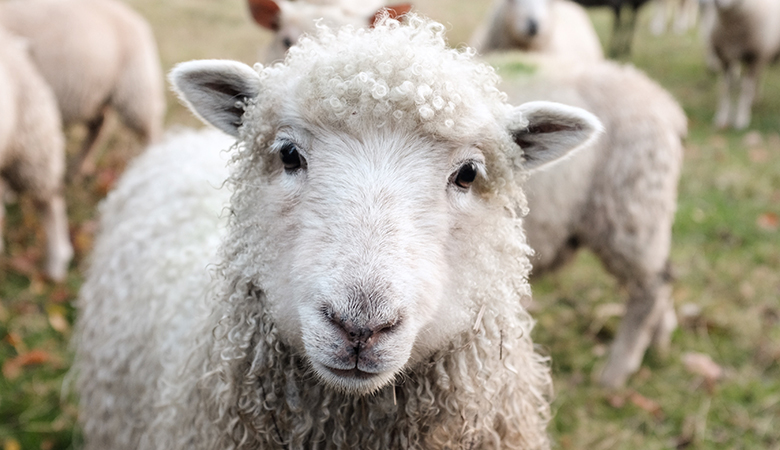
Sheep are friendly and useful animals that many people keep as a hobby. They provide natural grazing and bring life to the pasture. But a hobby sheep also needs a well-balanced diet to stay healthy. The nutritional needs of a sheep kept as a hobby differ from those of a production sheep. While production animals require extra energy for milk, wool or meat, the focus for hobby sheep is on maintenance, welfare and resilience. In this blog, you can read everything about what a hobby sheep needs in terms of feed, water, protein, vitamins and minerals.

Add products to view your basket
We use cookies to help us serve you better and more personally. Functional cookies ensure that the website works properly and have an analytical function. We also use technology to track your behaviour anonymously, both inside and outside our website. Personal data and cookies may be used for personalisation or advertising. Want to know more? Read our privacy policy and cookie statement here. If you choose to reject, we will only place functional and analytical cookies.