Service
Basket
Menu
Enjoy 10% off Acana now! Read more

Foot-and-mouth disease (FMD)

Written by Mara | Dierenarts |

Foot-and-mouth disease (FMD) is a highly contagious viral disease affecting cloven-hoofed animals. The disease can have major consequences for animal health and the livestock industry. That is why FMD is strictly monitored by authorities. In this blog, you will learn what foot-and-mouth disease is, which animals it affects and what measures are taken in the event of an outbreak.
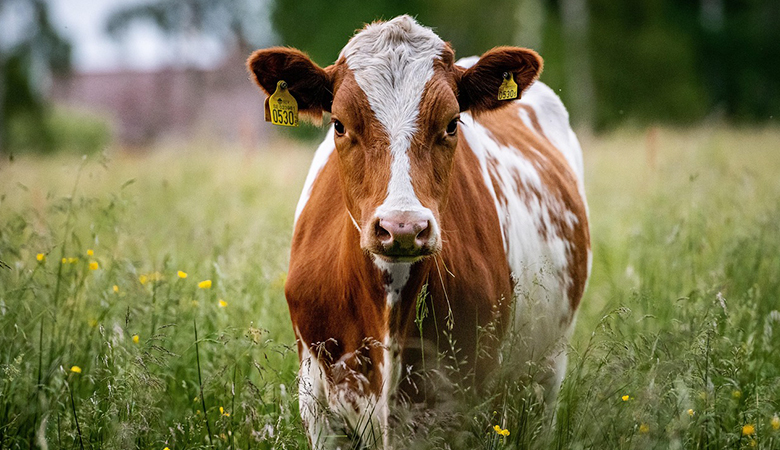
Cow looking into the camera

What is foot-and-mouth disease?

Foot-and-mouth disease is caused by a virus from the Aphthovirus family. The virus spreads very easily between animals via:

  • direct contact between animals
  • saliva, milk or manure
  • contaminated materials, clothing or vehicles
  • air over short distances

Because of this rapid spread, an outbreak can quickly expand within a herd or region.

Which animals are affected by FMD?

Foot-and-mouth disease affects cloven-hoofed animals. These are animals with split hooves.

Examples include:

  • cattle
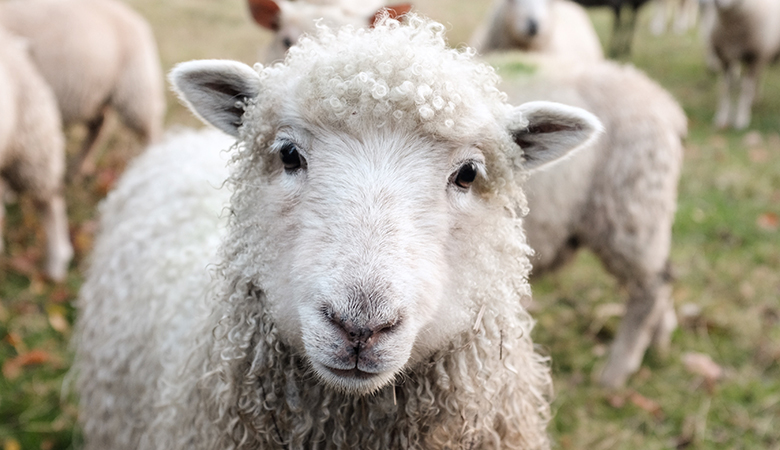
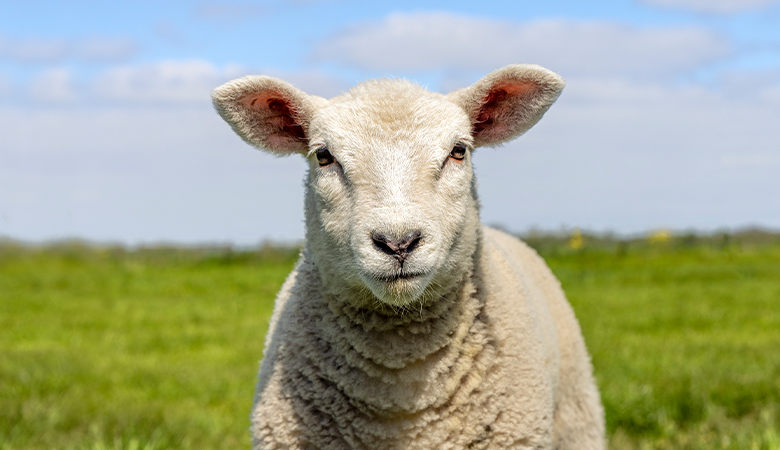
  • sheep
  • goats
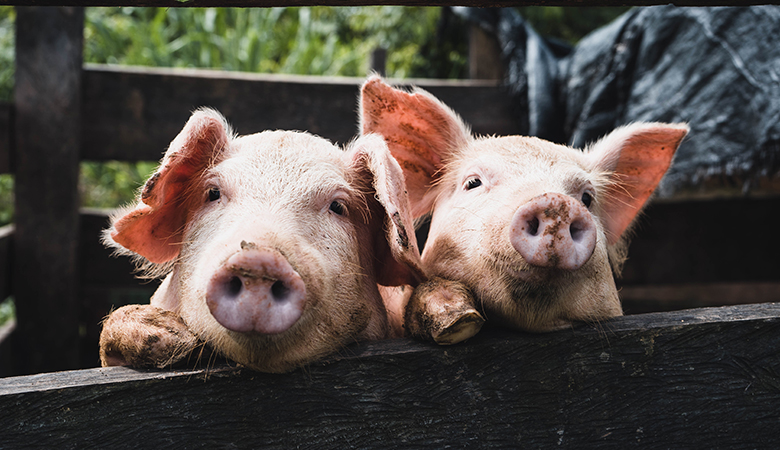
  • pigs
  • llamas
  • alpacas

Wild cloven-hoofed animals, such as deer and wild boar, can also become infected.

Humans, dogs and cats do not become ill from FMD. However, they can mechanically spread the virus, for example via clothing, shoes or materials.
Relevant products

Differences in severity per species

The severity of the disease varies per animal species.

  • Sheep and goats: often show milder symptoms, meaning infections may go unnoticed more easily.
  • Cattle and pigs: the disease can be much more severe and cause significant economic damage.

Adult animals usually do not die from FMD. However, in young animals the disease can be severe, with mortality rates of up to 100%.

Symptoms of foot-and-mouth disease

The disease usually starts with fever and general signs of illness. This is followed by the development of characteristic blisters (vesicles) on different parts of the body.

Common symptoms include:

  • fever
  • lethargy and reduced appetite
  • blisters in and around the mouth
  • blisters on the tongue and inside the mouth
  • blisters at the edge of the skin and hoof
  • blisters between the hooves
  • lameness
  • excessive salivation or drooling

In cattle, milk production often drops significantly and animals may drool excessively. The blisters can rupture and cause painful wounds, making it difficult for animals to eat or walk.

Foot-and-mouth disease in Europe

Strict policies are in place to prevent outbreaks. The last major outbreak in many European countries occurred in 2001 and had major consequences for the livestock sector.

Since then, the disease has been closely monitored by various authorities. Although many countries are currently FMD-free, outbreaks still occur in Europe. In 2025, for example, cases were reported in Germany, Hungary and Slovakia.

Mandatory reporting of FMD

Foot-and-mouth disease is a notifiable disease. This means that veterinarians and livestock keepers are required to report any suspicion immediately to the relevant authorities. Rapid reporting is essential to prevent further spread.

Measures during an outbreak

If FMD is confirmed, authorities immediately implement control measures. These are regulated within the European Union and may include:

National measures: a standstill of at least 72 hours, during which the movement of animals and animal products is prohibited

On the infected farm: all infected animals are culled and removed

In the surrounding area:

  • a transport ban within a 10 km radius of the infected farm
  • animals in this area are inspected by official veterinarians

Additional safety measures:

  • visitor restrictions on farms
  • stricter hygiene protocols

These measures are intended to stop the spread of the virus as quickly as possible.

Why is FMD controlled so strictly?

Foot-and-mouth disease not only causes health problems in animals, but also has major economic consequences for livestock farming and trade in animal products. Rapid detection and intervention are therefore essential to prevent further spread.

Subscribe to our newsletter

Read our other blogs

More tips
image (20)

About the author

Mara van Brussel-Broere, Veterinarian at Vetsend

Graduated as a companion animal veterinarian from Utrecht University, she uses her practical experience to advise customers and share knowledge at Vetsend. She finds it important to provide pet owners with clear information about health and wellbeing.

Read more about Mara