Service
Basket
Menu
Big Food Promotion: benefit from up to 30% off now Read more

Welsh Pony

The Welsh Pony is a versatile and intelligent pony breed from Wales, where the breed has been bred for centuries in the rugged hill regions. Thanks to their strong build, stamina and friendly character, Welsh Ponies are popular with both children and adults. The breed is known for its elegant appearance, powerful movement and reliable temperament. Welsh Ponies are used worldwide for leisure riding, dressage, jumping, driving and shows. Their combination of willingness to work, suppleness and versatility makes them one of the most popular pony breeds in equestrian sport and breeding.

Welsh

Characteristics

Country of origin: Wales, United Kingdom.
Also known as: Welsh Mountain Pony, Welsh Cob
Horse type: Warmblood
Body build: Compact, strong and athletic, with an elegant neck and expressive head.
Colours and coat types: Bay, chestnut, black, grey and sometimes dun; short, dense and glossy coat, with a full mane and tail.
Weight: 250 - 450 kg
Height: 11.1 - 15.1 hh
Life Expectancy: 25 - 35 years
Health risks: Prone to obesity, laminitis and sometimes sweet itch.
Suitable for: Dressage, jumping, driving, leisure riding, children’s ponies and breeding.

Character profile

Eager to learn
Willingness to work
Social
Energy
Movement/gaits
Temperament
Stress resistance
Strength and muscle development
Concentration
Child-friendly

Popular products for the Welsh Pony

Origin of the Welsh Pony

The Welsh Pony originates from the mountainous regions of Wales, where ponies lived for thousands of years in harsh weather conditions. Due to the rugged climate and scarce food, the breed developed into a strong, hardy and resilient pony with great stamina. The ponies had to survive independently in the hills and were later used by the local population for transport, agriculture and as riding ponies.

Over the centuries, various influences were added to the breed, including Arabian horses, English Thoroughbreds and Hackneys. This gave the Welsh Pony its elegant appearance, supple movement and athletic ability. The breed was eventually divided into several sections: from the small Welsh Mountain Pony to the larger Welsh Cob.

In the twentieth century, the popularity of the Welsh Pony grew strongly outside Great Britain. Thanks to their versatility, friendly character and sporting qualities, they were used worldwide as children’s ponies, sport ponies and leisure ponies. Today, the Welsh Pony is known as a reliable, intelligent and versatile breed that is highly valued both in sport and for leisure use.

Character of the Welsh Pony

The Welsh Pony is known for its friendly, clever and energetic character. The breed combines a reliable attitude with plenty of curiosity and willingness to work, making it popular with both young and experienced riders. Welsh Ponies are social and people-oriented, and often build a strong bond with their owner or carer. Thanks to their intelligence, they learn quickly and respond well to clear and consistent training. They are often enthusiastic during work and show great commitment, without losing their reliable character. This makes them suitable for a wide range of disciplines, from leisure riding to competitive sport.

Welsh Ponies generally have a lively temperament, but usually remain easy to handle. The smaller sections in particular are known as excellent children’s ponies because of their friendly nature and reliability. The larger Welsh Cob types often have more strength and presence, making them popular with adult riders as well.

Thanks to their combination of intelligence, energy and social nature, Welsh Ponies are versatile ponies that are suitable for both sporting performance and leisure use within the family.

All about the Welsh Pony

How much does a Welsh Pony cost?

The price of a Welsh Pony varies depending on age, bloodline, training and intended use. Young or untrained ponies are often available from around £1,750 to £3,500. Well-trained ponies suitable for competitions, or experienced children’s ponies, usually range between £4,350 and £10,400. Welsh Ponies with special bloodlines, extensive competition experience or proven breeding value can cost considerably more. When purchasing, it is important to consider not only the price, but also the pony’s health, character and suitability for the rider.

For which discipline is the Welsh Pony suitable?

The Welsh Pony is a highly versatile pony breed suitable for various disciplines. Thanks to its strong build, supple gaits and willing character, the breed performs well in dressage, jumping and driving. Welsh Ponies are also popular as leisure ponies and children’s ponies because of their friendly and reliable character.

The larger Welsh Cob sections are also used for carriage driving and hacking thanks to their strength and stamina. With their intelligence and athletic ability, Welsh Ponies can develop into successful sport ponies at national and international level.

What are the physical characteristics of the Welsh Pony?

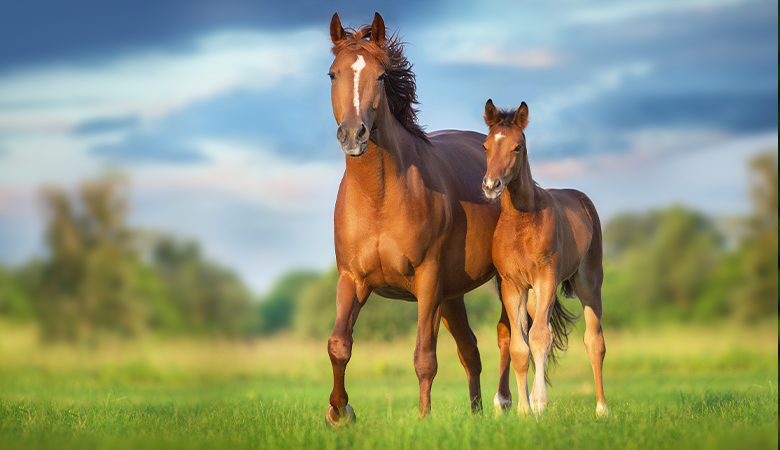
The Welsh Pony has an elegant yet strong appearance. The head is refined and expressive, with large eyes and small, alert ears. The neck is well-shaped and carried elegantly, while the body is compact, muscular and athletic. Welsh Ponies have strong legs and hard hooves, which contributes to their stamina and robustness.

The movements are ground-covering, active and supple, with plenty of knee action, especially in the Welsh Cob types. The breed comes in various colours, including chestnut, bay, black, grey and dun. The full mane and tail give the pony a characteristic and elegant appearance.

How old does a Welsh Pony live to be?

A Welsh Pony lives to an average age of 25 to 35 years. Thanks to their robust health and hardy nature, many Welsh Ponies remain active and usable for a long time. With good care, sufficient exercise and regular checks of the teeth, hooves and diet, they can reach an advanced age.

What should I look out for when buying a Welsh Pony?

When buying a Welsh Pony, it is important to pay close attention to health, character and intended use. Check the pony’s general condition, including hooves, legs, back and teeth. Also watch for any tendency towards obesity or laminitis, as hardy pony breeds can be susceptible to these issues.

It is also important to look at the temperament and level of training. A calm, reliable pony is often most suitable for children or beginner riders, while sport-oriented ponies may require more energy and experience.

Bloodline and studbook registration can also be important, especially when the pony is intended for sport or breeding. A good match between pony and rider contributes to safe and enjoyable riding.

Handling and care of the Welsh Pony

The Welsh Pony is a strong and versatile pony breed known for its hardy character and friendly nature. Because of their intelligent and energetic attitude, Welsh Ponies need sufficient exercise, variety and social contact. They are generally easy to handle and adapt well to different living conditions.

Activities in which the Welsh Pony excels:

  • Dressage: thanks to their active gaits and good trainability, Welsh Ponies perform excellently in dressage.
  • Jumping: their athletic build and quick reflexes make them suitable for jumping competitions.
  • Driving: the larger Welsh Cob types in particular are popular in driving because of their strength and presence.
  • Leisure riding: Welsh Ponies are reliable and versatile partners for hacking and leisure use.
  • Children’s ponies: because of their friendly character and clever nature, many Welsh Ponies are ideal for young riders.

What you need to know about caring for the Welsh Pony

Welsh Ponies are naturally strong and hardy animals, but they still need good daily care. Regular brushing helps keep the coat healthy and provides an opportunity to check the skin, legs and hooves. The hooves should be picked out and trimmed regularly.

Because Welsh Ponies use feed efficiently, they are prone to obesity. A balanced diet with sufficient roughage and a limited amount of hard feed is therefore important. Sufficient exercise and turnout help keep the pony fit and healthy. Regular checks by a veterinarian, equine dentist and farrier are also essential for maintaining good health. With the right care, the Welsh Pony remains a reliable, sporty and versatile partner for many years.

Also read our horse blogs

More tips