Service
Basket
Menu
5% off snacks with code SNACKS5 Read more

Hygiene and health on the farm

Written by Mara | Dierenarts |

A visit to the farm is a real treat for many people. Getting outside, seeing animals and enjoying rural life. For children it is a big adventure, and on care farms and petting farms the environment offers structure, calm and enjoyment. That is exactly why it is important that the farm is not only welcoming and educational, but also clean and safe.
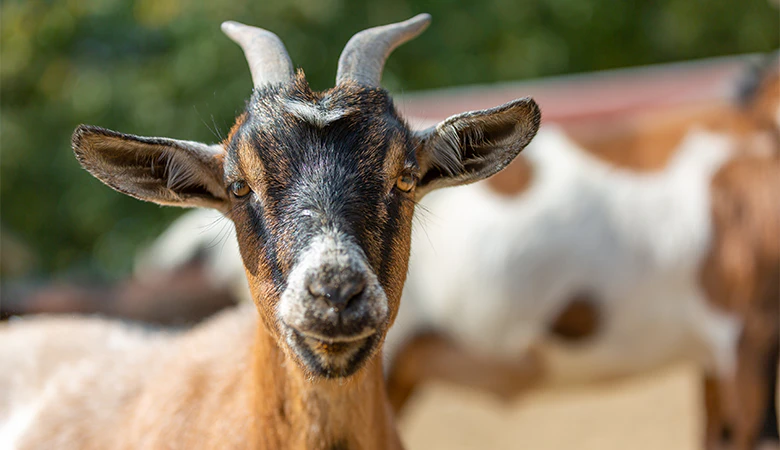
Goat looking at the camera

Hygiene may sound strict, but in practice it mainly comes down to logical, everyday habits. Think of clean hands, healthy animals and a well-organised environment. With this foundation, the farm remains a pleasant place for both people and animals.

A clean farm brings calm

A farm where hygiene is well maintained immediately feels more pleasant. It is organised, tidy and clear for visitors. You can see where you are allowed to walk, where animals are and where it is best not to go. This creates a sense of calm and helps prevent unsafe situations.

For farmers and supervisors, this also makes daily work easier. Everything has its place and visitors can move around safely without the farm losing its open and welcoming character.

Hand washing: a small action with a big impact

Perhaps the most important habit on the farm is washing your hands. After contact with animals, straw, soil or manure, it is important to clean your hands thoroughly, especially before eating or drinking.

On recreational farms, care farms and petting farms, a proper handwashing facility should therefore be standard. With water, soap and a clear place to dry hands, you make it easy for visitors to do the right thing.

What are zoonoses and why are they important?

On a farm, people and animals live close together. This is what makes it so enjoyable, but it also means that some pathogens can be transmitted from animals to humans. These diseases are known as zoonoses.

For example, bacteria can cause stomach and intestinal complaints after contact with animals or their environment. In most cases, this does not lead to serious illness, but it is something to be aware of, especially for young children, older people, pregnant women and those with a weakened immune system.

Fortunately, the risks can be managed well in practice. Simple measures such as washing hands after animal contact, not eating in animal areas and keeping sick animals away from visitors already make a big difference. With a little awareness, contact with animals remains both enjoyable and safe.

Can animals get sick from people?

What is less well known is that the reverse can also happen: humans can sometimes pass pathogens to animals. This is known as reverse zoonosis.

Examples include cold or flu viruses, certain bacteria or skin infections. Animals that have close contact with people, such as on care farms or petting farms, may be exposed to this.

For healthy animals, the risk is usually low, but young, older or sick animals are more vulnerable. That is why hygiene is important not only to protect people, but also to keep animals healthy.

It is therefore advisable to keep some distance from animals when you are ill, wash your hands properly and be extra careful around vulnerable animals. This helps ensure that contact between people and animals remains safe and pleasant for both.
Relevant products

Smart farm layout

A well-designed farm helps make hygiene a natural part of daily life. Areas where food and drinks are consumed should ideally be kept separate from animal enclosures. Machinery, manure storage and hazardous materials should also be kept out of reach of visitors.

Clear routes and designated zones help visitors understand exactly where they are welcome. This not only makes the farm safer, but also more enjoyable to visit.

Safe and respectful contact with animals

Animals are often the highlight of a visit. Goats, chickens, ponies and rabbits immediately attract attention. However, it is important to approach animals calmly and respectfully.

Do not chase animals, approach them gently and always supervise children. This helps keep interactions safe. Animals that are ill or have recently given birth should be given extra rest and limited direct contact with visitors.

Extra attention for care farms and petting farms

Care farms and petting farms often welcome vulnerable visitors, such as young children, older people or individuals with a weakened immune system. For them, good hygiene is even more important.

Clear rules, proper supervision and an organised environment help reduce risks. At the same time, there is still plenty of room for enjoyment, development and contact with animals.

Air quality, manure and farm work

A farm has its own smells and activity, which is part of the experience. However, tasks such as mucking out or moving manure can temporarily reduce air quality. It is therefore wise to plan these activities when no visitors are present.

This keeps the farm environment pleasant and healthy for everyone.

Small habits make a big difference

Often it is the small actions that have the greatest impact. Cleaning a path, closing a gate, separating sick animals or reminding visitors to wash their hands.

By applying these routines daily, the farm remains clean, safe and welcoming without losing its charm.

A healthy farm, a pleasant place

A farm does not need to be sterile to be hygienic. Straw, mud and animals are part of farm life. However, maintaining the right balance is essential.

A healthy farm is a place where people can move around with confidence, learn and enjoy themselves. Whether for recreation, care or education, attention to hygiene ensures the farm remains a safe and valuable environment for everyone.

Sign up for our newsletter

Read our other blogs

horse

Common health problems in horses and how to prevent them

Horses are strong and athletic animals, but they are also sensitive to a range of health problems. Many conditions develop gradually and are only noticed when a horse clearly shows symptoms. By knowing what to look out for and acting preventively, you can avoid many problems or address them at an early stage.

Sheep looking into the camera

Common health problems in sheep

Sheep are generally hardy animals, but they can be susceptible to various infectious diseases, parasites and hoof problems. Some conditions cause only mild symptoms, while others can have serious consequences for the health of the flock. Good prevention, such as vaccination, hygiene, pasture management and regular monitoring of the animals, is therefore very important. In this blog, we discuss a number of common health problems in sheep and what you should look out for as a sheep owner. Below you will find an overview of common health problems in sheep.

Horses in a stable

The importance of a good stable environment: Tips for layout and hygiene

A healthy stable environment is one of the most important pillars of your horse’s wellbeing. Fresh air, sufficient space, safe materials and good hygiene all help prevent respiratory issues, skin problems, stress and even injuries. It’s tempting to focus mainly on training, feeding and supplements, but the real foundation starts with the place where your horse lives and rests every day. In this blog you’ll read why a good stable environment matters and get practical tips to optimise your stable layout and cleanliness.

More tips
image (20)

About the author

Mara van Brussel-Broere, Veterinarian at Vetsend

Graduated as a companion animal veterinarian from Utrecht University, she uses her practical experience to advise customers and share knowledge at Vetsend. She finds it important to provide pet owners with clear information about health and wellbeing.

Read more about Mara