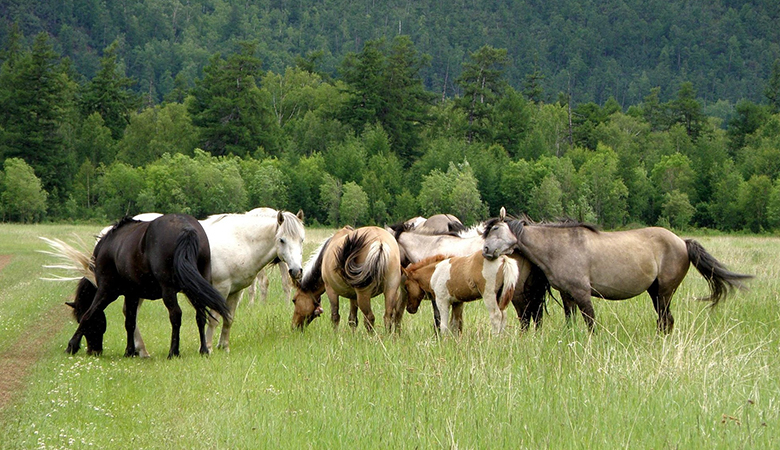
Good preparation is half the work and prevents many problems during the introduction. Have the new horse checked by a veterinarian beforehand so you can be sure it is healthy and does not bring any contagious diseases. A recent manure test helps rule out worms or other parasites. Preferably deworm the horse before it joins the group so the rest of the herd is not exposed to infection risks. Also make sure vaccinations are up to date. You can read more about horse worms in our blog: Horse worms and deworming schedules: How to keep your horse healthy
How do you approach the introduction?
There are several ways to introduce a new horse to an existing herd. Which method works best depends on the horses and the available space. The safest and most natural approach is to introduce the horses step by step so they can calmly get used to each other.
A commonly used and safe introduction method
A practical and safe approach is to first place the new horse next to the herd with an electric fence between them. This allows the horses to see, smell, and gently touch each other without the direct risk of kicking or biting. During this phase, make sure the horse has enough space, shelter, food, and water so it does not depend on the others. This way, the horses can get used to each other’s presence, energy, and body language.
Sometimes this process goes very smoothly and the horse can safely join the group after just a few days. In other cases, around two weeks is a comfortable guideline for building up the introduction step by step.
The new horse in the herd
When all horses show relaxed behaviour, you can remove the separation and allow the new horse to join the group. Relaxed behaviour can be recognised by:
- Calm eating
- Grazing close together
- No aggression across the fence
Keep in mind that the horses will still need to establish their hierarchy. Some chasing or moving each other away is normal. Provide enough hay or grass in multiple places so every horse can eat undisturbed and the newcomer is not excluded. With some patience, space, and calmness, the group will naturally find its balance again.
Alternative introduction method
Another approach is to first introduce the new horse to one calm horse from the herd. Preferably choose a social, stable horse that is not overly dominant. Let them stay together for a few days in a separate paddock or pasture so they can learn to trust each other. Once this goes well, you can gradually add the rest of the group. This method is often calmer because the new horse finds support in its first “friend” within the herd, although it may require a little more patience.
Supporting calmness and balance
A relocation and a new herd often bring a lot of stress. Everything changes: the environment, smells, sounds, and social structure. As a result, some horses sleep less and become more alert. During this period, extra support can help relax the nervous system. Products that may help include:
These products support the muscular and nervous systems, encourage relaxation, and make the transition into the new group easier. This gives your horse not only time to adjust, but also the calmness needed to feel safe within its new herd.
Do you still have questions about this topic? Please contact us via veterinarian@vetsend.co.uk.