What are the symptoms of kennel cough?
The way of coughing is often already characteristic of kennel cough. In addition, dog owners sometimes think that their dog needs to vomit because tough, white mucus is often coughed up and swallowed. It is similar to gagging. Pressure on the throat often triggers a cough reflex. More common cold symptoms may also be visible, such as a runny nose and tearing eyes.
How is kennel cough treated?
Most dogs with kennel cough are not seriously ill, although the persistent coughing can be very annoying. Coughing can further irritate and damage the airways, so proper treatment is important to prevent chronic respiratory problems.
It may be necessary to treat a dog with kennel cough using antibiotics. In addition, using a harness instead of a collar can help reduce pressure on the throat. Try to prevent your dog from barking excessively due to play or excitement. As additional support, a cough syrup such as Pulmostat Akut can be given, or a true cough suppressant such as codeine, although it is not always clear how effective these products are for kennel cough. If there is a lot of mucus production, codeine may even delay recovery. It is important to monitor your dog carefully to ensure that kennel cough does not develop into pneumonia. Dogs may then quickly become more seriously ill (lethargic, short of breath and feverish).
Kennel Cough Vaccine
You can have your dog vaccinated against kennel cough. This can be done by injection (only against the Parainfluenza virus) or via a special nasal vaccine (a drop administered into the nose). The nasal vaccine protects against both the Bordetella bacterium and the Parainfluenza virus and is therefore preferred. It also works directly at the site where infection occurs – the nose. Unfortunately, vaccination does not provide 100% protection against kennel cough, but it often ensures that a dog becomes less severely ill and recovers more quickly.
In addition to vaccination, you can try to avoid places where many dogs gather, although this is not always possible or desirable.
You can also help your dog by supporting its immune system, for example with a supplement such as Phytonics Immu Boost or Puur Resistentia.
Is kennel cough contagious to humans and other animals?
Kennel cough is mainly associated with dogs. In general, kennel cough is harmless to humans and the risk of transmission is very low. In rare cases, people may develop symptoms similar to kennel cough. Individuals with chronic respiratory problems or a weakened immune system, for example after chemotherapy, may become ill from the Bordetella bacterium. If you are concerned about possible transmission, contact your doctor.
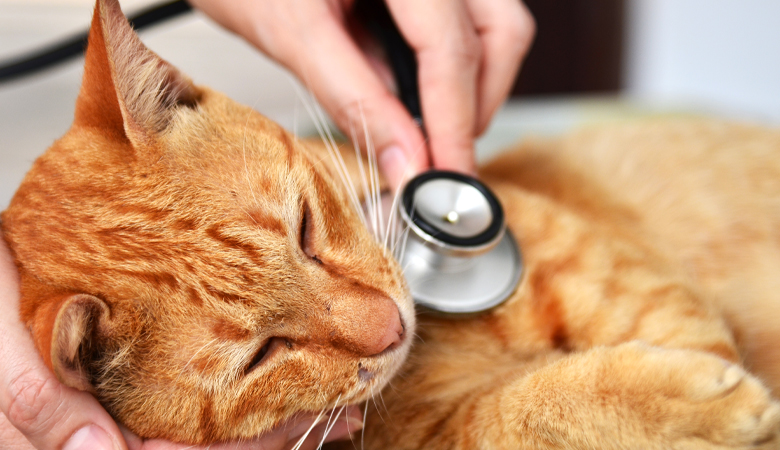
Other animals, such as cats and rabbits, can also be susceptible to Bordetella, although the condition is usually not referred to as “kennel cough” in these species. It is a bacterial infection affecting the airways and may lead to symptoms such as coughing, sneezing and nasal discharge. In cats, the bacterium can contribute to cat flu, an infectious disease affecting the mucous membranes that may even lead to pneumonia. In rabbits, Bordetella bronchiseptica can cause infectious snuffles.
The specific diseases may differ, but transmission of respiratory infections between humans and animals is possible. It is therefore important to isolate infected animals from other pets to prevent further spread.
Do you have any questions about kennel cough in dogs? Please contact us at veterinarian@vetsend.co.uk.