Service
Basket
Menu
App Only: 5% off treats! Read more

My dog is not drinking

Written by Anne |

If your dog is not drinking or is drinking very little, this can be quite concerning. Water is essential for the body, and a lack of it can quickly lead to dehydration. You may also notice that your dog is not eating, is sleeping a lot or is isolating themselves. In this blog, we discuss the possible causes of not drinking enough, what you can do yourself and when it is better to contact your vet.
Dog is drinking too little: How can you recognise it?

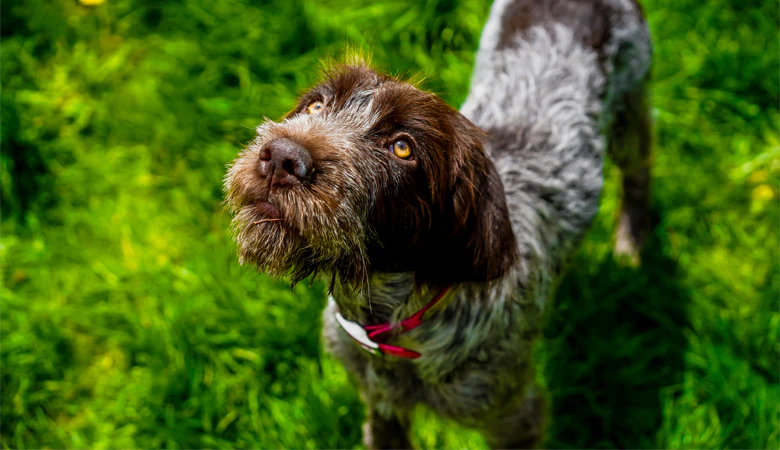
It can be difficult to determine whether your dog is getting enough fluids. Some dogs naturally drink more than others. As a guideline, a dog needs approximately 40 to 60 ml of water per kilogram of body weight per day. For a dog weighing 20 kg, this is around 1 litre per day.

Symptoms that your dog is drinking too little

If your dog is genuinely not getting enough fluids, you may start to notice the following symptoms of dehydration:

  • The skin remains raised when you lift it (reduced skin elasticity)
  • Dry mucous membranes or a sticky tongue
  • Lethargy or sleeping a lot
  • Dark urine or not urinating at all
  • Sunken eyes

Relevant products

Dog is not eating or drinking and only sleeping

If your dog stops eating and drinking and isolates themselves, there is usually something else going on. Your dog is not feeling well, and this can have various causes, ranging from stress to illness. In this case, do not wait. Always contact your vet.

Dog eating but not drinking

It can also happen that a dog continues to eat but drinks little or nothing. Below are some possible reasons:

  • Stress or anxiety: Your dog is too alert to their surroundings and cannot relax enough to drink.
  • Dietary changes: Have you switched to wet food or fresh meat? These contain more moisture, so your dog may have less need to drink.
  • Temperature: Dogs often drink less in cold weather.
  • Water quality: Stale water or a new drinking bowl, particularly a plastic one, may put your dog off.
  • New environment: In an unfamiliar situation, such as moving house, going on holiday or staying with a pet sitter, your dog may feel insecure and drink less.

How can you measure how much your dog drinks?

Are you unsure whether your dog is drinking enough? Measuring their intake can give you a clear answer. Here is how to do it:

  1. Fill the drinking bowl in the morning with a measured amount of water, for example 1 litre.
  2. Do you refresh the water during the day? Note how much water was still left in the bowl.
  3. Refill the bowl with 1 litre and repeat this if necessary until the following morning.
  4. Add up how much water you have added and subtract the amount remaining.

This will tell you exactly how much your dog has drunk in 24 hours.

Remember that dogs also get fluids from their food. Wet food, meat sausages, canned food and fresh food often contain more than 60% moisture.

What should you do if your dog drinks too little?

Here are some tips to help encourage your dog to drink more:

  • Make the water more appealing: Add a little stock without onion or salt.
  • Provide clean, fresh water: Change the water at least twice a day.
  • Use a drinking fountain: Running water encourages some dogs to drink more.
  • Offer small portions of wet food more frequently.
  • Keep the water cool in hot weather. Refresh it more often if necessary.

Consequences of your dog not drinking

If your dog is not getting enough fluids, this can cause problems in both the short and long term:

Short term consequences of not drinking

In the short term, insufficient fluid intake can result in:

  • Reduced energy
  • Dehydration
  • Overheating
  • Kidney problems

Long term consequences of not drinking

If your dog’s dehydration persists, the consequences can become considerably more serious. These include:

  • Persistent kidney damage
  • Urinary tract problems, such as crystals or stones caused by concentrated urine, or even a blockage
  • Poorer skin and coat condition, including dryness, flakes and a dull coat
  • Weight loss and muscle loss
  • Reduced immunity

When should you contact the vet?

If your dog has not drunk anything for 24 hours, or if you notice clear signs of dehydration, you should always contact your vet. This is especially important if your dog is also not eating, is sleeping a lot, is vomiting or has diarrhoea.

Dog drinking more than usual?

In some cases, your dog may actually drink more than you are used to. This can also be a sign of health problems. Read more about this in our blog: Why does my dog drink so much?

Do you still have questions about your dog’s drinking habits? Contact us at veterinarian@vetsend.co.uk.

Read our other blogs

More tips