Service
Basket
Menu
Up to 33% off Lily's Kitchen! Read more

Having your cat neutered or spayed?

Written by Armanda |

A kitten can become sexually mature at around 5 months of age. Male cats may start spraying and female cats can come into heat. Neutering or spaying prevents your cat from reproducing and can reduce hormone-related behaviour. Read more about neutering and spaying your cat in this article!
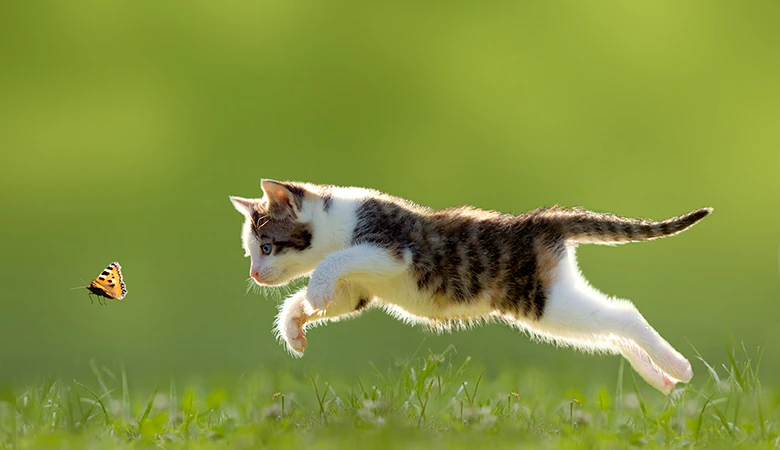
Brown and white kitten jumping after a butterfly on a grassy field

Difference between neutering and spaying

People often refer to spaying a female cat and neutering a male cat. Technically, however, both male and female cats can undergo castration. In a male cat, the testicles are removed, while in a female cat the ovaries – and sometimes the uterus – are removed. With sterilisation, the fallopian tubes or vas deferens are interrupted. The sex hormones therefore remain present and continue to affect the body and behaviour. For this reason, simply interrupting the fallopian tubes or vas deferens is rarely performed.
Relevant products

Why have your cat neutered?

There are several reasons to have your cat neutered:

Male cats:

  • To reduce spraying and roaming. Unneutered male cats spray to leave their scent and find a mate. They also use spraying to mark their territory.
  • Unneutered male cats are more likely to fight with other males. If your cat fights more often, there is a greater risk of diseases being transmitted through bite and scratch wounds, including FIV and FeLV.
  • To prevent further problems if one or both testicles have not descended.

Female cats:

  • Reduced risk of mammary tumours and uterine infections
  • Prevention of unwanted mating and litters
  • No heat cycles with behaviours such as excessive meowing, spraying and becoming very affectionate.
  • No risk of ‘Dolly Parton syndrome’. This is a benign but troublesome swelling of the mammary glands caused by the hormone progesterone.

At what age should a cat be neutered?

Cats of a normal size are well developed by around 4 to 6 months of age. This can be a suitable time to have your cat neutered. If you do not want an unexpected litter of kittens, it is sensible to keep your cat indoors until the procedure.

How much does it cost to neuter a cat?

It is difficult to give an exact indication of the cost of neutering. Prices vary between veterinary practices, so it is best to ask your own vet about the current cost. Neutering a female cat is generally more expensive than neutering a male cat.

Aftercare following neutering

After neutering, it is important to let your cat take things easy so they can recover properly. If your cat frequently licks the wound, it may be sensible to use a Medical Pet Shirt or a collar. It is also advisable to adjust your cat’s diet after neutering and, if appropriate, switch to a light food. After neutering, energy requirements decrease while appetite can increase, which raises the risk of becoming overweight. A male cat can remain fertile for up to 6 weeks after neutering, so do not let him outside immediately.

Alternatives to neutering

If you are not planning to breed, neutering can prevent the heat cycles, conditions and unwanted pregnancy mentioned above. However, not everyone wants their cat to undergo surgery. If your cat experiences excessive heat-related behaviour, you could first try a supplement such as Puur Hormone Balance. Puur Hypersex can be used for increased sexual drive in male cats. There is also a contraceptive pill for female cats. This is a temporary solution but can have unpleasant side effects. Read more in our blog article ‘The contraceptive pill for your cat’.

Do you still have questions about neutering or spaying after reading this article? Contact our veterinary team at veterinarian@vetsend.co.uk.

Frequently asked questions about neutering and spaying cats

What is the difference between neutering and spaying a cat?

During castration, the reproductive organs that produce hormones are removed. In a male cat these are the testicles, while in a female cat they are the ovaries. In practice, the procedure in female cats is often called spaying, although technically the standard operation involves removing the hormone-producing reproductive organs.

Why should I have my male cat neutered?

Neutering prevents reproduction and can reduce hormone-related behaviour such as spraying, roaming and fighting with other male cats. Less fighting also reduces the risk of bite and scratch wounds.

Will my cat gain weight after neutering?

Not necessarily, but after neutering your cat’s energy requirements may decrease while their appetite increases. This raises the risk of becoming overweight. Adjust the amount of food accordingly and regularly monitor your cat’s weight and body condition.

How should I care for my cat after neutering?

Give your cat plenty of rest and check the surgical wound every day. Prevent your cat from licking the wound excessively. If necessary, a Medical Pet Shirt or collar can be used. Always follow the aftercare instructions provided by your own vet.

Can my male cat still impregnate a female after neutering?

Yes. Immediately after the operation, a male cat can remain fertile for some time. This blog uses a period of up to approximately 6 weeks. Keep this in mind if an unneutered female cat is present.

At what age can I have my cat neutered?

Many cats are neutered at around 4 to 6 months of age. Discuss with your vet what the most suitable time is for your cat.

Why should I have my female cat neutered?

After neutering, a female cat can no longer become pregnant and will no longer come into heat. The risk of certain conditions affecting the reproductive organs and mammary glands also decreases.

Does my cat need different food after neutering?

Not every cat needs to change food immediately. However, it is important that their energy intake matches their lower energy requirements after neutering. A food formulated for neutered or spayed cats can be useful. Above all, monitor your cat’s weight and body condition.

When should I contact the vet after neutering?

Contact your vet if the wound becomes noticeably red, swollen or painful, starts bleeding or produces discharge. You should also contact your vet if your cat remains very lethargic, refuses to eat or drink or clearly appears unwell.

How much does it cost to neuter a cat?

Costs vary between veterinary practices and also differ between male and female cats. For an up-to-date price, it is best to contact your own vet.

Sign up for our newsletter

Read our other blogs

Heat in Female Cats

Heat is the period during which a female cat is fertile. During this phase, she exhibits noticeable behavioral changes such as loud, plaintive meowing, restlessness, and an increased need for attention. Her body is preparing for possible mating with a tomcat, and her hormones are thrown out of balance.

FIV (feline AIDS) in cats

FIV (feline AIDS) in cats

FIV, also known as feline AIDS, is a virus that occurs in cats worldwide. The disease is comparable to HIV in humans, but it is not contagious to people. The virus is species-specific, which means it can only infect cats. Although FIV is a serious condition, cats can live healthily and happily for many years with the right care and living conditions. In this blog, you will read what FIV is, how it spreads, what the symptoms are and how you can protect your cat.

kitten in basket

Feliway – Stressed Cat Behaviour

Feliway is an synthetic copy of the cat pheromone: the so-called feline facial pheromone. This cat pheromone is released by special glands and are produced from glands around your cat's mouth, mouth and chin. By rubbing its head along objects - the typical behaviour that everyone with a cat will recognise - the cat gives off the pheromones to its surroundings. This way, the cat marks its territory, within which it feels safe and at ease. The natural marking behaviour with pheromones is essential for the well-being of your cat. The pheromones that a cat releases into its environment by rubbing give it peace of mind, security and confidence.

More tips
Armanda-Klein

About the author

Armanda, veterinary nurse at Vetsend

Armanda is a veterinary nurse and Content Specialist at Vetsend with a background in veterinary medicine. She provides accessible and expert advice on animal health, behaviour, and care, helping pet owners make well-informed decisions.

Read more about Armanda