Service
Basket
Menu
Up to 30% off Royal Canin, Purina and Edgard & Cooper Read more

The pine processionary caterpillar and dogs: what you need to know

Written by Mara | Dierenarts |

We all know the oak processionary caterpillar and the nuisance it can cause. But did you know that there is also a pine processionary caterpillar? Just like its oak relative, this lesser-known caterpillar can cause serious health problems in both people and animals. Especially during the summer months, it is important to stay alert to this caterpillar and the symptoms it can cause.
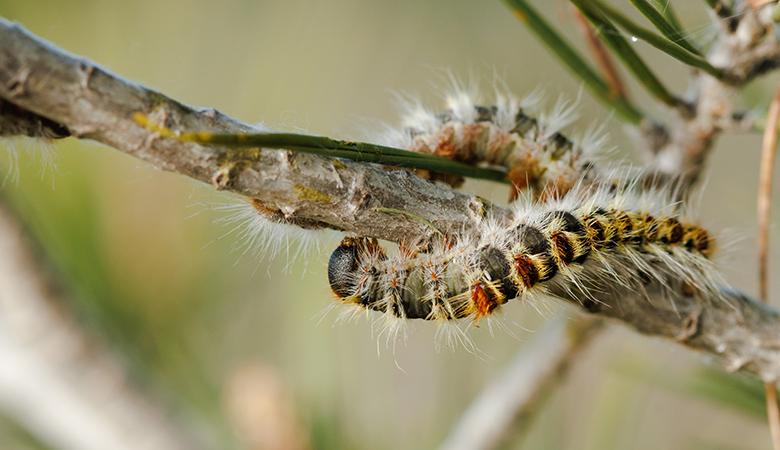
Pine processionary caterpillar

What is the pine processionary caterpillar?

The pine processionary caterpillar (Thaumetopea pityocampa) is the larva of a moth that mainly lives on pine trees. Just like the oak processionary caterpillar, this caterpillar develops in groups and makes distinctive silken nests in the trees. The caterpillar is covered with microscopic stinging hairs that come loose easily and are spread through the air. The pine processionary caterpillar is found mainly in Southern and Eastern Europe, especially in areas with many pine forests.
Relevant products

Health problems in dogs

Dogs, cats and horses can develop serious symptoms after contact with the stinging hairs of the pine processionary caterpillar. The hairs can cause irritation to the skin, eyes and mucous membranes. Common symptoms include:

  • Severe itching and redness of the skin
  • Swelling of the lips, tongue and nose
  • Eye irritation, such as watering eyes and squinting
  • Breathing problems after inhaling the hairs
  • Excessive drooling or vomiting

In severe cases, an animal can develop an allergic reaction or even breathing difficulties. In that case, contact your vet as soon as possible.

Health problems in people

People can also develop symptoms from the stinging hairs of the pine processionary caterpillar. These symptoms are similar to those caused by the oak processionary caterpillar and include:

  • Itchy skin rash, bumps or blisters
  • Irritation of the eyes and airways
  • Redness and swelling of the skin
  • Sore throat or wheezing

The symptoms can last for several days and are especially troublesome after direct exposure to the stinging hairs.

What should you do if your dog has symptoms?

If you suspect that your dog has come into contact with the pine processionary caterpillar, it is important to act quickly:

  • Rinse the skin and paws thoroughly with lukewarm water to remove loose stinging hairs.
  • Do not touch the stinging hairs with bare hands and use gloves if possible.
  • Use soothing products
  • Puur Bombyx to support the skin and immune system.
  • Amos Horse Balsam to soothe skin irritation.
  • For the eyes and coat, gentle cleansers are recommended
  • Soothing shampoos such as Douxo S3 Calm Shampoo or ICF Ermidra Shampoo to care for the skin.

Does your dog have severe symptoms such as breathing problems or swelling in the mouth? Contact your vet immediately.

How can you prevent symptoms?

Prevention is better than cure. Follow these tips to reduce the risk of symptoms:

  • Avoid areas with pine trees, especially during caterpillar season in spring and summer.
  • Keep your dog on a lead in risk areas.
  • Check local warnings about caterpillar nests.
  • Rinse your dog’s paws and coat with water after a walk in the woods.
  • Avoid contact with nests and have nests removed professionally.

By staying alert and protecting your dog properly, you can prevent a lot of distress.

Do you still have questions? Please get in touch via veterinarian@vetsend.co.uk.

Also read our other blogs

More tips