Service
Basket
Menu
5% off with code LIGHTING5 on lighting for your pet Read more

Pododermatitis in rabbits

Written by Mara |

Pododermatitis, also known as sore hocks, is a common and troublesome condition in rabbits. It develops on the underside of the hind feet, where the skin becomes irritated or damaged. This can lead to inflammation, pain and even severe wounds. In this blog, we explain what pododermatitis is, which rabbits are more at risk, how it can be treated and, most importantly, how it can be prevented.
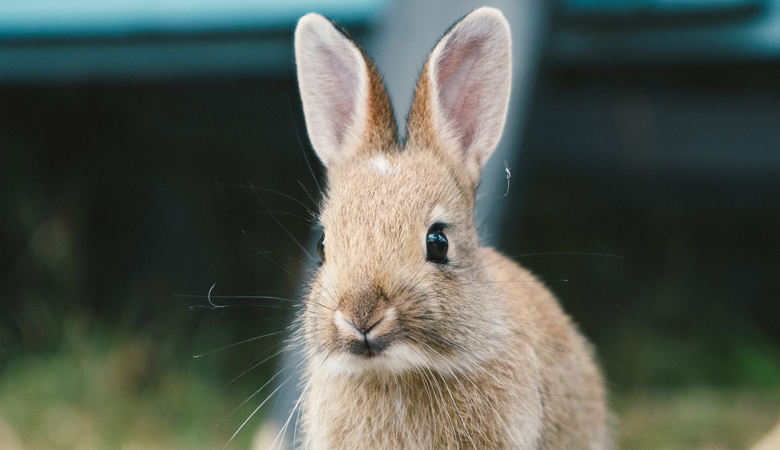
Brown rabbit against a black background

What is pododermatitis?

Pododermatitis is an inflammation of the foot pads in rabbits, usually affecting the hind feet. Rabbit foot pads are not protected by thick calluses but by a thin layer of fur. When this fur is damaged or does not provide enough protection, the underlying tissue can become irritated, leading to redness, swelling, scabs or open wounds.

What causes pododermatitis in rabbits?

Pododermatitis usually develops due to prolonged pressure or friction on the foot pads. The main causes include:

  • hard or abrasive bedding, such as wire flooring, wood pellets or mesh
  • wet or dirty surfaces, for example due to poor hygiene or urine
  • overweight, causing increased pressure on the hind legs
  • lack of exercise, for example rabbits kept in cages for long periods
  • breeds with little fur on the foot pads, such as Rex rabbits
  • large rabbit breeds may be more prone due to their weight, such as Flemish Giants or French Lops
  • chronic stress, for example caused by fear or boredom, leading to frequent thumping and extra pressure on the feet
  • abnormal leg conformation, congenital or caused by trauma, resulting in uneven pressure distribution

Rabbits with these risk factors are much more likely to develop pododermatitis. Careful monitoring and adapting the living environment are therefore essential.
Relevant products

How do you treat pododermatitis in rabbits?

Treatment depends on the severity of the condition. In mild cases, you can take measures yourself, but open wounds or deep infections always require veterinary treatment. Possible treatments include:

  • cleaning and caring for the feet, for example with Maxani Regular Mousse No Fragrance
  • using soft bedding and improving the living environment
  • applying a protective cream such as Maxani Skin Protect Cream, which forms a protective layer and supports skin recovery
  • special socks to help protect the skin
  • pain relief or antibiotics in cases of infection or severe inflammation
  • in severe cases, surgical treatment or long-term wound care

It is important to address the underlying cause, otherwise the problem is likely to recur.

Socks for rabbits with pododermatitis

Protective socks or foot bandages can offer temporary relief for rabbits with pododermatitis. They help protect sensitive or damaged foot pads from further friction and pressure, especially on hard surfaces. Socks are not a standalone solution but can support healing as part of a broader treatment plan. They must fit properly, be checked regularly and should never be too tight. Always consult your vet before using socks or bandages.

How can you prevent pododermatitis in your rabbit?

In many cases, pododermatitis can be prevented with proper care and a suitable living environment.

Good hygiene

Make sure the enclosure stays dry and clean. Replace bedding regularly and clean wet areas daily. Consider litter training your rabbit to prevent urine spreading throughout the enclosure.

Read our blog House training your rabbit.

Correct bedding

Use soft, absorbent and dust-free bedding. Avoid hard surfaces and wire flooring.

View our complete range of bedding for rabbits.

Healthy body weight

Prevent obesity with a balanced diet. Provide plenty of hay, around 80 percent of the daily intake, limited pellets and daily exercise.

Also read our blog What can rabbits eat.

Frequently asked questions about pododermatitis in rabbits

What should you do if your rabbit has pododermatitis?

Check your rabbit’s foot pads regularly for redness, bald spots or wounds. In early stages, you can improve the living environment and switch to softer bedding. If symptoms worsen or wounds develop, always visit your vet.

How is pododermatitis treated in rabbits?

Treatment focuses on improving housing conditions, caring for the foot pads and, if necessary, medication or bandaging. Severe cases may require long-term treatment or surgery.

Is pododermatitis contagious?

No, pododermatitis is not contagious to other rabbits or animals. It is caused by pressure, irritation or unsuitable living conditions, not by transmissible bacteria or viruses.

How can pododermatitis be soothed?

The foot pads can be soothed with special caring creams, always in consultation with your vet. A soft, dry surface also helps prevent further irritation.

How serious is pododermatitis?

Pododermatitis can range from mild to very severe. Without treatment, chronic wounds, infections, abscesses and even bone infections can develop. Early detection is therefore crucial.

Is pododermatitis a fungal infection?

No, pododermatitis is not a fungal disease. It is a pressure- and irritation-related skin condition, although secondary bacterial or fungal infections may occur.

Do you have any questions?

Do you have any questions about pododermatitis in rabbits? Please contact us at veterinarian@vetsend.co.uk.


Sign up for our newsletter

Read our other blogs too

More tips
image (20)

About the author

Mara van Brussel-Broere, Veterinarian at Vetsend

Graduated as a companion animal veterinarian from Utrecht University, she uses her practical experience to advise customers and share knowledge at Vetsend. She finds it important to provide pet owners with clear information about health and wellbeing.

Read more about Mara