Service
Basket
Menu
5% off Medicines and Supplements with code MEDSUP5 Read more

How do you prepare your horse for summer?

Written by Carmen | Paraveterinair |

For many horses, summer is a wonderful time with longer days, more time in the pasture and sunny weather. However, the warm season also brings extra points of attention. Heat, insects, dehydration and changes in nutrition can affect your horse’s health and comfort. With the right preparation, you can help your horse enjoy a pleasant and comfortable summer.
Coat care and shedding

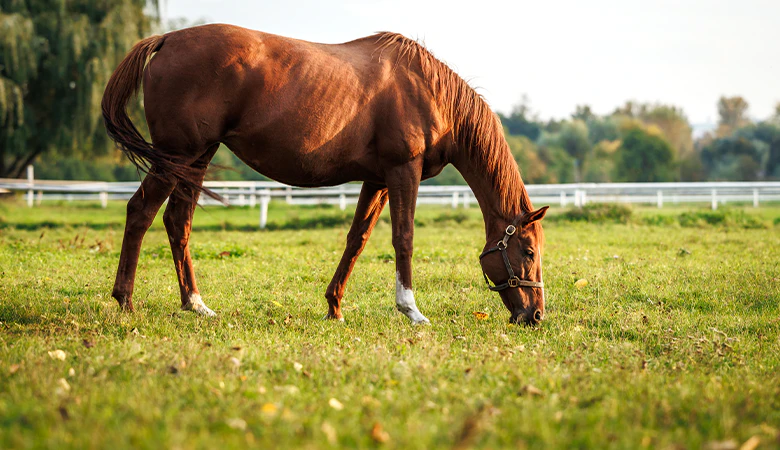
In spring, horses begin to lose their winter coat. Some horses go through shedding effortlessly, while others may need a little extra support. Regular brushing helps remove loose hair and also stimulates blood circulation in the skin. Older horses or horses that struggle with shedding may benefit from support with vitamins or oils. Also pay close attention to the skin beneath the coat. Warmer temperatures and moisture can cause skin problems more quickly.

Protection against flies and insects

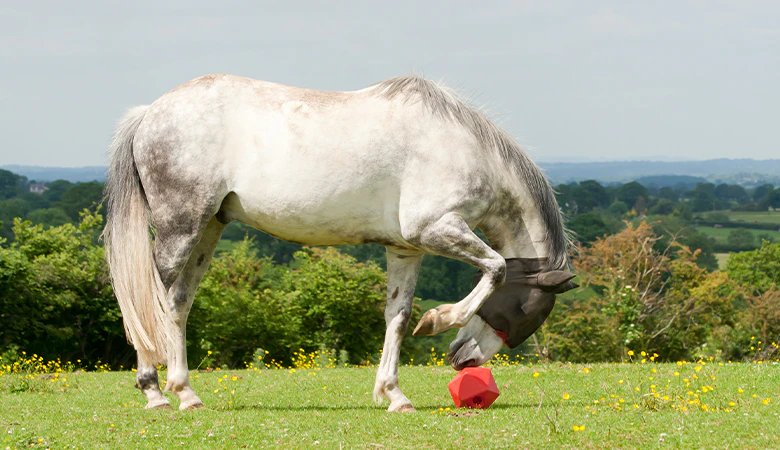
Summer also brings back flies, mosquitoes and horseflies. Many horses are bothered by them and some even develop sweet itch or severe itching reactions. Check your horse regularly for ticks, as ticks are active again during the summer months.

You can support your horse by:

  • using a fly rug or fly mask
  • keeping the stable clean and dry
  • removing manure regularly
  • using a suitable insect spray

Horses that are sensitive to insects often benefit from a combination of external protection and internal skin support. A suitable supplement for internal support is Horseflex Itch Relief Mix. For horses with sweet itch, it is important to pay extra attention to insect protection early in the season. An eczema rug, avoiding midge-heavy times as much as possible (especially sunrise and sunset), and extra attention to skin and coat care can help.
Relevant products

Sufficient water and electrolytes

During warm days, horses lose a lot of fluid through sweating. Therefore, always make sure there is enough fresh drinking water available, both in the stable and in the pasture. Check carefully whether your horse is actually drinking enough. In hot weather, during intensive training or with excessive sweating, electrolytes can help replenish lost minerals. This supports fluid balance and helps reduce heat-related fatigue.

Pasture turnout and nutrition

Grass in spring and summer often contains high levels of sugars and proteins. For some horses this is not a problem, but hardy breeds or horses prone to obesity or laminitis may need extra guidance.

Therefore pay attention to:

  • gradual introduction to pasture turnout
  • body condition and weight
  • sufficient roughage alongside grass
  • adjusted concentrates with less work

Horses that spend a lot of time outdoors sometimes burn less energy than expected, despite the beautiful weather.

Hoof care during dry periods

Both wet and extremely dry conditions can affect the hooves. During dry summers, hooves can dry out and become brittle. Regular hoof care therefore remains important, even when a horse is ridden less intensively.

Check the hooves daily for:

  • cracks
  • small stones
  • loose shoes
  • heat or sensitivity

Transport and training in hot weather

During very hot days, it is wise to adjust training and transport. Try to avoid heavy exercise during the hottest hours of the day and instead choose early morning or late evening.

Watch for signs of overheating, such as:

  • excessive sweating
  • rapid breathing
  • lethargy
  • poor recovery after exercise

Cool the horse down calmly with water after training and ensure there are sufficient rest periods.

Shade

During hot summer days, sufficient shade is very important for horses. Horses can quickly become too warm, especially during heat, bright sunshine or when there is little wind. Shelter helps reduce overheating and discomfort caused by the sun. Therefore, always provide a place where the horse can stand out of direct sunlight, both in the pasture and in the paddock. This can be achieved with trees, an open shelter, a canopy or a simple mobile shade cloth construction. It is important that the area has sufficient ventilation and is large enough so horses do not push each other away.

Extra attention for older horses

Senior horses can be more sensitive to heat, dehydration and insects. Therefore, monitor older horses closely for condition, appetite and fluid intake. Sometimes they need extra support during warm periods.

A comfortable summer for your horse

With good preparation, you can help your horse enjoy a comfortable summer. By paying attention to nutrition, hydration, skin and hoof care, and protection against insects, you reduce the risk of discomfort and allow your horse to fully enjoy the summer season.

Sign up for our newsletter

Also read our other blogs

More tips
Team-veterinair_72_footer

About the author

Carmen, Veterinary Nurse at Vetsend

Carmen is a veterinary nurse and an expert in animal health at Vetsend. With her many years of experience, she provides clear and reliable advice to pet owners. She regularly shares informative articles on nutrition, behaviour, and preventive care. Discover Carmen’s tips for a healthy and happy pet on Vetsend.

Read more about Carmen