Service
Basket
Menu
Weekend deal: Get 25% off Vetality in the Medpets app Read more

Rabbits and winter weather

Written by Astrid |

Winter can be a beautiful season. Crisp mornings, frozen landscapes and sometimes even a layer of snow make this time of year special. At the same time, winter also brings cold, rain and wind. For rabbits, this means a little extra care is needed so they can get through the winter comfortably and safely as well. Read below what to look out for and how to properly support your rabbits during the winter months.
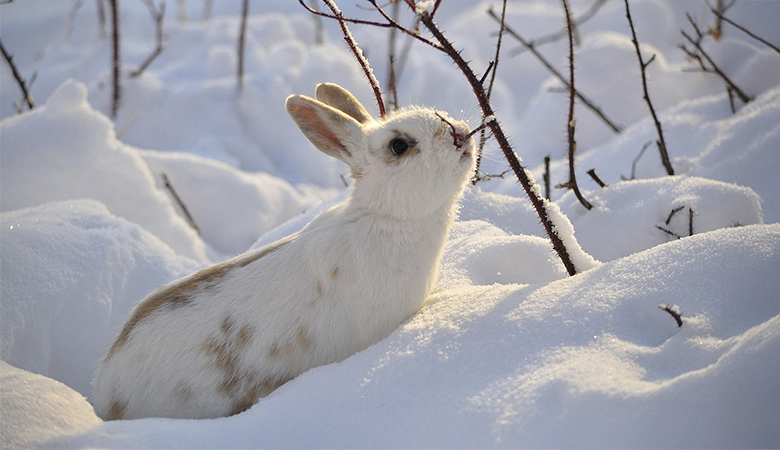
rabbit in the snow

Can rabbits tolerate cold?

Although rabbits generally tolerate cold better than heat, winter weather still comes with certain risks. In particular, moisture, draughts and sudden temperature changes can affect their wellbeing. Good preparation helps to keep your rabbits as comfortable as possible during winter.

Preparing the winter coat in rabbits

Rabbits are naturally well adapted to lower temperatures. As winter approaches, they develop a thicker winter coat that helps them stay warm. Healthy rabbits that are used to living outdoors can therefore often tolerate temperatures around or even below freezing without problems. It is important, however, that this transition happens gradually. Rabbits that live outdoors all year round naturally build up their coat and resistance.

Keep an indoor rabbit indoors during winter

This does not apply to rabbits that normally live indoors: they should not suddenly be moved outside in winter (or vice versa). Sudden temperature changes can lead to health problems. The biggest risk is not so much the cold itself, but rather moisture, draughts and large temperature fluctuations.

Keep your outdoor rabbit outdoors in winter

Preferably keep rabbits outdoors during winter, especially if they are used to it. Rabbits do not cope well with large temperature differences, and moving them indoors often causes unnecessary stress. By properly adapting their living environment, they can also remain safely outdoors during the winter months.
Winter support

Practical winter tips for rabbits

Tip 1 – Provide a dry and sheltered living area

A dry living area is one of the most important requirements for rabbits in winter. Moisture and dampness make it harder for rabbits to maintain their body temperature. Therefore, provide a waterproof hutch that is slightly raised off the ground and offers sufficient protection from rain and splashing water. Fill the sleeping area generously with straw so rabbits can share a warm and comfortable place to retreat to. Under the straw, you may optionally use straw pellets, which absorb urine well and help keep the enclosure dry. This is not essential for litter-trained rabbits, but it can add extra comfort during the winter months.

Tip 2 – Protect against wind and draughts

Fresh winter air is not a problem for rabbits, but draughts can cause discomfort and health issues. Place the hutch in a sheltered, wind-free location and partially cover open sides, for example with plexiglass or a tarp. Make sure there is always sufficient ventilation so the air remains fresh without creating draughts. Rabbits like to huddle together for warmth in cold weather, so always ensure they have enough hiding places where they can shelter when needed.

Tip 3 – Extra attention on rainy days

Rain and winter showers require extra checks. Inspect daily to make sure the living area stays dry and replace wet bedding immediately. The rabbits’ coat and ears also deserve extra attention: they should remain dry and clean. Being alert to this helps prevent cold and moisture from building up.

Tip 4 – How do you protect rabbits from cold and frost?

During cold and frosty periods, rabbits like to keep warm together. Extra straw allows them to build a warm nest. Insulation on the outside of the hutch can also help keep the cold out, while the inside remains dry and well ventilated. Make sure the hutch is placed in a sheltered spot and not in a draughty location.

Pay extra attention to sufficient fluid intake

In freezing conditions, rabbits often drink less, especially when water (partly) freezes. However, sufficient fluid intake remains very important to prevent digestive problems. Therefore, check several times a day that fresh, liquid water is available and offer extra fluids in an accessible way, for example by:

  • Offering lightly moistened vegetables: Rinse vegetables and give them slightly damp. Always build this up gradually if your rabbits are not used to it, as a sudden amount of fresh vegetables can cause stomach upset. You can read more about this in our blog: What can rabbits eat?
  • Offering a mild herbal tea: Cooled herbal tea (for example chamomile) can be offered up to three times a week, always in addition to a bowl of plain water. Preparation: pour boiled water into a glass, let it cool for 2 minutes, add 1 teaspoon of dried herbs and let it steep for 10 minutes. Remove the herbs, allow to cool completely and offer.
  • Using a frost-free drinking bottle: During prolonged frost, a frost-free drinking bottle, such as the Kerbl Drinking Bottle NoFrost, can be a practical addition. Keep in mind that a water bowl is preferred, as rabbits usually drink more from it. Offering both options is therefore ideal.

Tip 5 – Snow

Snow can be a special and even enjoyable experience for rabbits, as long as they can choose where they stay. Many rabbits enjoy briefly walking or playing in the snow. Always make sure there is a dry, snow-free shelter available where they can retreat whenever they want. Keep walking paths clear and, where possible, partially free of snow. Also check the paws regularly so wet snow does not accumulate in the fur. For rabbits with long, drooping ears, it is especially important to check the ears as well and gently dry them if necessary, so they do not become too wet or cold.

Tip 6 – Support your rabbits with the right nutrition

In winter, rabbits use more energy to keep themselves warm. Unlimited access to high-quality hay therefore remains the basis of their diet. Hay not only supports healthy digestion, but also contributes to temperature regulation. Make sure the hay always stays dry and prevent it from being trampled or getting wet in the enclosure. A hay rack or feeding station, such as the Trixie Feeding Station, can help with this and ensures rabbits have clean access to their hay.

Frequently asked questions

What temperature is too cold for rabbits?

Rabbits naturally tolerate cold well. Healthy rabbits that are used to living outdoors can often handle temperatures around freezing and even down to –10 °C (14 °F). It mainly becomes too cold when low temperatures are combined with moisture, draughts or large temperature fluctuations. Wet conditions pose a greater risk than low temperatures alone.

How do I know if my rabbit is cold?

Rabbits often show subtly when they are cold or uncomfortable. They may withdraw more, sit hunched up, or move less than usual. Cold ears, especially in lop-eared rabbits, can also be a sign. That is why it is important to check daily how your rabbits behave and to inspect their coat and ears.

Also pay close attention to changes in eating and drinking behaviour. Reduced drinking, reduced appetite, lethargy or a clear decrease in droppings can indicate that a rabbit is not feeling well. These signals always require extra attention. If you notice such changes, it is advisable to contact your veterinarian for advice.

What should you do for rabbits in winter?

In winter, it is important to check your rabbits several times a day. Provide a dry, draught-free living area, sufficient straw, unlimited hay and fresh drinking water. Pay extra attention to drinking behaviour and regularly check that the water has not frozen and that the coat remains dry. With a few simple adjustments, rabbits can stay comfortable during winter.

Preferably keep rabbits outdoors during winter if they are used to it. Rabbits do not tolerate large temperature differences well, and moving them indoors often causes unnecessary stress. By properly adapting their environment, they can safely remain outdoors during the winter months.

What does a rabbit eat in winter?

Even in winter, unlimited hay remains the foundation of the diet. Hay supports digestion and helps rabbits stay warm. In addition, rabbits can continue to receive their normal feed. It is not intended to give more pellets in winter; maintaining a balanced diet remains important.

During cold periods, rabbits often use slightly more energy, but this is mainly compensated by sufficient hay and a varied, appropriate diet. What rabbits can and cannot eat can be read in our blog: What can rabbits eat?

Can a rabbit stay outside when it freezes?

Yes, rabbits can stay outside in freezing weather, provided they are used to it and have a well-sheltered and dry living area. It is important that they have plenty of straw to nest in, can retain warmth together, and always have access to fresh, liquid drinking water.

Rabbits that normally live indoors should not suddenly be moved outside in winter – and the same applies the other way around. These sudden temperature changes are too extreme for rabbits and can cause health problems.

Not sure if it is getting too cold? Then move the hutch to a more sheltered spot, such as out of the wind or into a cold shed. You can also temporarily hang a large blanket or tarp over (part of) the hutch to provide extra protection from cold and wind. Always make sure ventilation remains sufficient.

Is it a good idea to put a blanket over a rabbit hutch?

A blanket can temporarily provide extra protection against cold and wind, but it should never completely close off the hutch. Ventilation remains important to prevent moisture and condensation. Preferably use insulation material on the outside of the hutch and ensure the inside stays dry. Straw is always the best way for rabbits to keep themselves warm.

How do I keep my rabbit warm in winter?

Rabbits keep themselves warm through their winter coat, by huddling together and by burrowing into straw. By insulating the living area well, providing plenty of straw and avoiding draughts, you support them in this. Additional heat sources are usually not necessary; a dry and sheltered environment is most important.

What do rabbits do in winter?

In winter, rabbits are often a bit calmer. They sleep more, move less intensely and more often seek warmth by staying close together. In pleasant winter weather, such as dry cold or snow, they can still be active and playful, as long as they can choose when to retreat.

Also continue to provide enough stimulation during winter. By offering food in different places, rabbits remain actively engaged in searching for their food. This encourages natural behaviour and provides extra exercise. Food puzzles can also be a fun variation, as well as new toys or extra opportunities to climb and explore. This helps keep rabbits physically and mentally active during the winter months.

Indoor rabbits also need extra attention in winter

Not only outdoor rabbits need extra care in winter. Indoors, the air can be drier and temperatures can fluctuate more quickly, for example due to heating or ventilation. Therefore, also ensure sufficient exercise indoors, a stable environment and avoid sudden temperature changes. Indoor rabbits also enjoy each other’s company.

Keep observing and trust your instincts

Rabbits often show very subtly how they are doing. By briefly checking daily how they behave, eat and move, you can quickly notice changes. This allows you to adjust in time and helps keep winter a comfortable season for rabbits.

Do you have any questions about this topic? Please feel free to contact us via veterinarian@vetsend.co.uk.

Learn more about rabbits

More tips
Astrid-Klein

About the author

Astrid, veterinary nurse at Vetsend

Astrid is a veterinary nurse and works at Medpets as a content specialist, where she uses her many years of hands-on experience to provide pet owners with clear and reliable information. She specializes in rabbit behaviour and enjoys contributing ideas for innovative products and blog posts that meet the needs of both pets and their owners.

Read more about Astrid