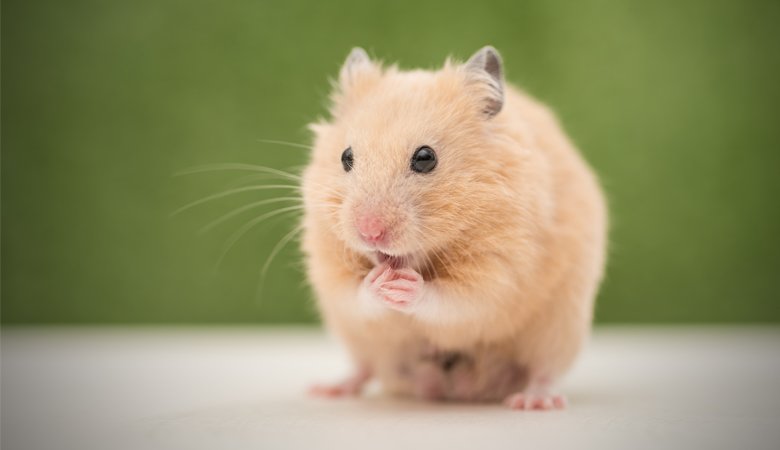
Which rodent is right for me?
Before buying a rodent, it is important to consider whether and which rodent suits you.
The chinchilla is a remarkable rodent best known for its extremely soft, dense fur. This species originally comes from the Andes Mountains in South America, where it lives in a cool, dry, and rocky environment. Chinchillas are curious, energetic, and mainly active in the evening and at night. They are less suitable as cuddly pets but are very enjoyable to observe. Because of their sensitivity and specific care requirements, they are especially suited for experienced owners

Chinchillas originally come from the high-altitude, mountainous regions of the Andes in South America, particularly in countries such as Chile, Peru, and Bolivia. In these regions they live at great heights, where the climate is characterized by low temperatures, dry air, and strong temperature differences between day and night. Chinchillas live in rocky areas and take shelter in crevices and burrows to protect themselves from predators and extreme weather conditions. Because of this habitat, the chinchilla has developed an exceptionally dense coat that protects it from the cold but is also very sensitive to heat and moisture. This explains why chinchillas in captivity can quickly suffer from overheating and why a cool, well-ventilated living environment is essential for their well-being.
Character of the Chinchilla
The chinchilla is a curious, alert, and intelligent rodent that enjoys observing and exploring its surroundings. In its interaction with people it is often somewhat reserved and independent; it does not always like being picked up and prefers to decide when it wants contact. Due to its sensitive nature, it can quickly experience stress from loud noises, sudden movements, or a busy environment. However, when approached with calmness, patience, and predictability, it can build a clear bond of trust with its caretaker. It will then show more relaxed behavior and become more curious in its interactions. Its lively, playful, and jumping behavior—especially in the evening and at night—makes it particularly interesting to observe and highlights its need for space, enrichment, and a calm living environment.
A chinchilla is a small rodent that originally comes from the Andes Mountains in South America. They are known for their extremely soft, dense fur and their active, curious nature. Chinchillas are crepuscular and nocturnal animals and naturally live in groups. As pets, they require specific care, housing, and nutrition.
Anyone considering buying a chinchilla should first thoroughly research its care requirements and the applicable legal regulations. Preferably buy from a recognized breeder or rescue and avoid impulse purchases. Chinchillas are social animals and are usually kept in pairs.
Since July 1, 2024, chinchillas are no longer on the official list of permitted pets and hobby animals. This means that chinchillas may no longer be kept as pets, bred, or imported in the Netherlands. Do you already have a chinchilla that was acquired before this date? Then you may keep the animal until it passes away. However, it is not permitted to breed with it or acquire new chinchillas. A transitional arrangement applies to existing pets.
Therefore, always check whether keeping and purchasing a chinchilla is permitted in your country or region.
A chinchilla’s diet mainly consists of:
High-quality, fiber-rich hay (always available)
Specific chinchilla pellets
Limited amounts of dried herbs
Sugar, fruit, nuts, and fatty snacks are unsuitable. A simple, fiber-rich diet is essential for good digestion.
The purchase price of a chinchilla generally ranges between €50 and €150, depending on its origin and color variety. In addition, you should take into account ongoing costs for:
Housing and cage setup
Food and hay
Sand baths
Possible veterinary expenses
As a result, the total cost will be considerably higher than just the initial purchase price.
A chinchilla is a unique, but not an easy pet. They are sensitive to stress, heat, and changes in their environment. In addition, they are not cuddly pets; many chinchillas do not enjoy being picked up. A spacious, well-designed living environment, a calm atmosphere, and daily observation are important for their well-being.
Note: In the Netherlands, keeping chinchillas as pets is prohibited. In other countries, such as Belgium and Germany, keeping them is currently allowed, but laws and regulations may vary by country or region. Always check this in advance.
A chinchilla has a relatively long life expectancy for a rodent. On average, they live between 10 and 15 years, but with proper care this can extend up to 20 years. This makes the chinchilla a pet that requires a long-term commitment.
Outdoor housing in the garden is not recommended. Chinchillas are very sensitive to temperature fluctuations, moisture, and drafts. Temperatures above 25 °C can already be problematic. In addition, outdoor housing increases the risk from predators and weather conditions. Therefore, a chinchilla is preferably kept indoors in a quiet, cool room.
A chinchilla needs a spacious, tall cage with multiple levels, platforms, and sturdy climbing opportunities. Because chinchillas are excellent jumpers, height is more important than floor space alone. The cage should preferably be made of metal and equipped with safe platforms made of wood or another suitable material for resting and moving around. The enclosure should be placed in a cool, quiet, and well-ventilated environment, away from direct sunlight, drafts, and heat sources. The ideal ambient temperature is between 10 and 20 °C. Temperatures above 20 °C can already pose a risk of overheating. A stable temperature, sufficient hiding places, and a calm environment help reduce stress, to which chinchillas are sensitive.
Proper and consistent care is important for a chinchilla’s health. Due to their sensitive digestion, dense fur, and stress-sensitive nature, it is important to pay daily attention to several fixed care routines.
Good care for a chinchilla includes:
Daily unlimited fresh hay as the basis of the diet
A suitable chinchilla pellet in the correct amount
Always fresh and clean drinking water
Regular (preferably daily) dust baths for coat care
A clean, dry living environment to prevent health problems
Limited and careful introduction of fresh greens
Sufficient hiding places in the cage so the animal can retreat and reduce stress
These consistent care routines help keep the chinchilla healthy and provide calm, structure, and security in its daily life.
Before buying a rodent, it is important to consider whether and which rodent suits you.

Dental problems in rabbits and rodents are more common than you think. Unfortunately, it is not always clear that it concerns problems with the teeth. We often see the same abnormalities in rabbits and rodents. However, in this article, we tell you everything you need to know about dental problems in rodents and rabbits.

Add products to view your basket
We use cookies to help us serve you better and more personally. Functional cookies ensure that the website works properly and have an analytical function. We also use technology to track your behaviour anonymously, both inside and outside our website. Personal data and cookies may be used for personalisation or advertising. Want to know more? Read our privacy policy and cookie statement here. If you choose to reject, we will only place functional and analytical cookies.