When Should You Start Fetch Training?
You can teach a dog to fetch at any age. Many puppies pick up the game quickly, but adult dogs can learn to fetch as well. The most important thing is to start calmly and give your dog enough time to understand what is expected. Keep training sessions short and positive. By practising regularly for short periods, fetching remains fun and helps prevent your dog from becoming overstimulated or losing interest.
What Do You Need for Training?
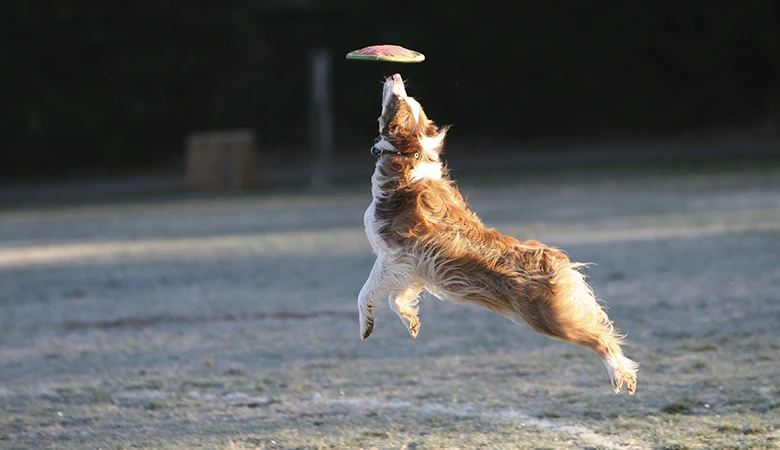
You do not need much to teach your dog to fetch. Choose a toy or a fetch toy that is comfortable for your dog to carry, such as a ball, dummy or frisbee. In the beginning, it is best to use the same toy each time so that your dog builds a clear association with it. Rewards are also important during training. You can use training treats or praise your dog with your voice. Preferably practise in a quiet place with as few distractions as possible so your dog can focus properly on the game.
Teaching Your Dog to Fetch Step by Step
Step 1: Make the Toy Interesting
Start by making the toy interesting. Let your dog sniff it, move it gently from side to side and spark its curiosity without immediately throwing it. Use the same toy at first so your dog learns what the game is about.
Step 2: Teach Your Dog to Pick Up the Toy
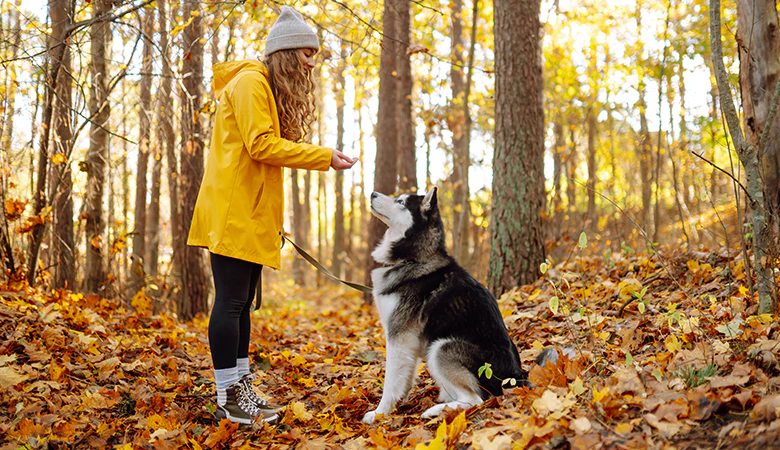
Is your dog interested? Then teach it to pick up the toy. Give a clear command, such as “take” or “fetch”, and reward your dog as soon as it takes the toy in its mouth. Only when this goes well should you place the toy on the ground and practise picking it up again.
Step 3: Throw the Toy (Short Distance)
You can then throw the toy. Keep the distance short and give the command again. This teaches your dog that it may run after the toy and pick it up.
Step 4: Teach Your Dog to Come Back
Call your dog back as soon as it has picked up the toy. Do not chase after your dog if it runs off with it, as it may start seeing this as part of the game. Wait calmly, encourage your dog and reward it when it returns to you.
Step 5: Practise Releasing the Toy
An important part of fetching is letting go. Use a command such as “drop” and, if necessary, exchange the toy for a treat or a similar toy. Let your dog learn that releasing the toy leads to something positive, for example because you throw the toy again afterwards. This keeps fetching fun and clear for your dog.
Common Mistakes When Teaching Fetch
It is easy to make mistakes during fetch training that can make the game more difficult for your dog. One common mistake is progressing too quickly. Start with short distances and only make it more challenging once your dog understands the basics. Chasing after your dog when it runs off with the toy can also be counterproductive. Many dogs see this as a fun chasing game and will be less likely to bring the toy back. It is also important to reward your dog only for the behaviour you want. For example, reward holding, returning and releasing the toy at the right moment. Keep training sessions short and positive so that fetching remains enjoyable for both you and your dog.
What If Your Dog Does Not Want to Fetch?
Not every dog immediately understands the purpose of fetching. Some dogs enjoy running after the toy but lose interest afterwards. Other dogs simply need a little more motivation to play with a ball or dummy. Try making the toy extra appealing by moving it gently from side to side and responding enthusiastically. Reward your dog as soon as it shows interest or picks up the toy. Short training sessions and ending the game on a positive note often help. If your dog shows little interest in a particular toy, you can try a different type of fetch toy that may better match what your dog enjoys.
It is also important to know that not every dog naturally enjoys fetching. Some dogs simply have little interest in bringing objects back and, despite training and practice, may never truly enjoy it. That is perfectly fine. In that case, it is better to look for another activity or game that better suits your dog’s personality and preferences.
Safe Fetch Training with Your Dog
Make sure fetching remains safe and enjoyable for your dog. Avoid practising for too long at a time and watch carefully for signs of tiredness or overstimulation. Some dogs can become very enthusiastic during fetch and may overexert themselves. It is best to use safe fetch toys, such as a ball, dummy or frisbee designed for dogs. Fetching with sticks is not recommended, as dogs can injure their mouth or throat. Build up the game gradually and take your dog’s age and fitness level into account. It is especially important not to train too intensively with puppies and young dogs.
Do you still have questions after reading this blog about fetching or the right toys for your dog? Feel free to contact our veterinary team via veterinarian@vetsend.co.uk or WhatsApp for personal advice.