Service
Basket
Menu
5% off toys with code TOYS5 Read more

What do hedgehogs eat? (And what should they absolutely not eat?)

Written by Nova |

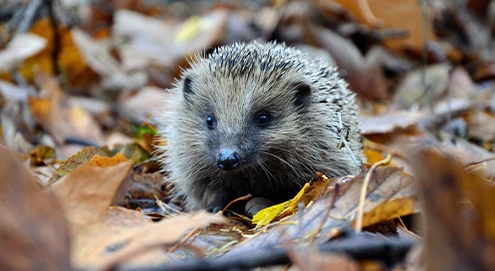
Does a hedgehog regularly visit your garden? Then it is good to know what hedgehogs eat and which food is suitable. In this blog, you can read about the natural diet of hedgehogs, what you can feed them as a supplement and what is best not to give them.
hedgehog

What does a hedgehog eat in the wild?

Hedgehogs are omnivores, but their diet mainly consists of animal-based food. In the wild, they mainly eat ground-dwelling creatures such as earthworms, beetles, caterpillars and slugs. Larvae are also regularly on the menu. Hedgehogs also sometimes eat small animals such as mice, frogs, toads and birds’ eggs. Occasionally, they also eat carrion.

Although hedgehogs sometimes eat berries, fruit or mushrooms, they get little nutritional value from them. Plant-based food is less easy for them to digest. Hedgehogs are mainly active at night and then travel long distances in search of food.
Relevant products

What can you feed hedgehogs as a supplement?

In some situations, it can be difficult for hedgehogs to find enough food. You can help them by providing supplementary food. Suitable food includes cat or dog food. Kitten kibble is especially suitable, as it is small and easy to digest. You can also give hedgehogs cooked beef or chicken and hard-boiled eggs. You can also choose special hedgehog food. This is developed with the nutritional needs of hedgehogs in mind. When choosing food, make sure animal-based ingredients are the main component, so it closely matches their natural diet.

Also make sure fresh drinking water is always available in a shallow bowl.

What should hedgehogs absolutely not eat?

Not all food is suitable for hedgehogs. Some products can even be harmful to their health.

Never give hedgehogs milk. The lactose can cause intestinal problems and make hedgehogs ill. Bread is also unsuitable, as it has little nutritional value. Mealworms, nuts and seeds are also unsuitable. These are poorly digested and can lead to a calcium deficiency, which can cause bone problems. Food such as honey, sugar, fruit and grains is also unsuitable. This can cause problems with digestion and teeth.

When and how should you feed hedgehogs?

Hedgehogs are nocturnal animals, so it is best to put food out in the evening. Do not give more than they eat in one night, and remove leftover food the next morning. This prevents the food from spoiling or attracting other animals. In summer and autumn, hedgehogs eat extra to build up fat reserves for hibernation. After hibernation, which usually lasts from October to April or May, hedgehogs are often very hungry. During these periods, supplementary feeding can provide extra support.

Always make sure the food is placed in a sheltered spot, so other animals cannot reach it as easily. Also put out fresh water every day in a shallow bowl.

Helping hedgehogs with the right food

By giving hedgehogs the right food, you can support them without putting their health at risk. Choose suitable animal-based food, offer it in the right way and avoid products that may be harmful. Would you like to feed hedgehogs in your garden? View the range of suitable food and make sure you feed them in a safe and responsible way.

Sign up for our newsletter!

Also read our other blogs!

More tips