When does a dog develop its winter coat?
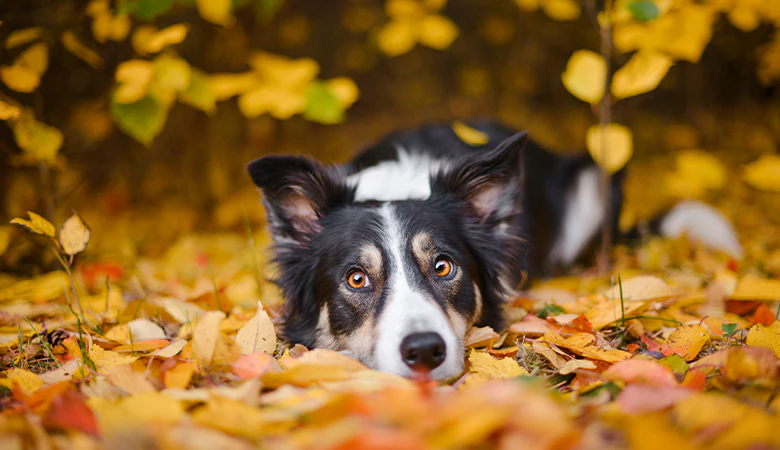
The development of the winter coat is not only influenced by the outdoor temperature. Changes in the length of daylight play a particularly important role in the natural coat cycle.
As the days grow shorter in autumn, the body starts preparing for winter. Old hairs are shed and a denser winter coat develops. This happens gradually and may take several weeks.
The difference between the summer and winter coats is often more noticeable in dogs that spend a lot of time outdoors. Dogs that live mainly indoors are exposed to artificial light and a relatively constant temperature throughout the year. As a result, they may have a less pronounced seasonal moult or shed slightly more hair throughout the year.
Which dogs shed heavily in autumn?
Dogs with a double coat can shed particularly heavily during the autumn moult. This type of coat consists of guard hairs with a soft, insulating undercoat underneath. The composition and density of this undercoat change with the seasons.
The moult may be much less noticeable in other coat types. Some dogs shed hardly any visible hair, while their coats need to be clipped or trimmed regularly.
It is therefore important to tailor coat care to your dog’s coat type. A Labrador, for example, needs very different care from a Poodle or a long-haired Collie.
Coat care during the autumn moult
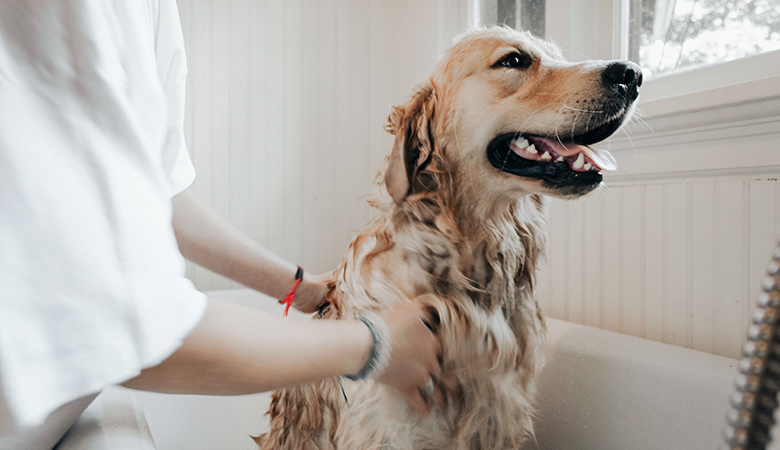
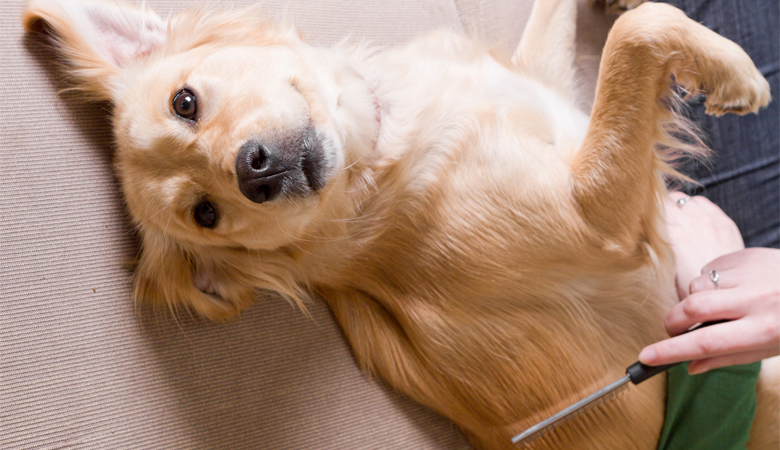
During the autumn moult, regular brushing can help remove loose and dead hair from the coat. This leaves less hair on clothing, furniture and floors. For long-haired dogs, brushing also helps prevent loose hair from forming tangles with the existing coat.
Brushing also gives you an opportunity to check your dog’s skin. Look out for redness, sores, flakes, parasites or other changes.
Always use a brush or comb that is suitable for the specific coat type. Using the wrong brush or brushing too intensely can irritate the skin and damage or pull out healthy hairs.
View our full range of dog coat care.
How often should you brush a dog during the moult?
There is no fixed brushing frequency that is suitable for every dog. Brushing once or several times a week may be sufficient for a short-haired dog, while a long-haired dog or a dog with a thick undercoat may need more frequent grooming during the moult.
Pay particular attention to the coat. If a lot of loose undercoat comes away during brushing or tangles form easily, brushing more frequently for a while may be helpful.
Daily brushing is not necessary for every dog. Brushing too much or too firmly can cause irritation. Short, gentle brushing sessions with suitable grooming tools are often more comfortable than prolonged and intensive brushing.
Should you remove the undercoat?
During the moult, some of the old undercoat comes loose naturally. With suitable coat care, you can remove these loose hairs and prevent them from remaining trapped in the coat.
However, you should not try to pull as much undercoat as possible from a healthy winter coat. This coat has an important insulating and protective function. Care is particularly important for dogs with a double coat.
Are you unsure which brush, comb or technique is suitable? A professional dog groomer can show you which care is appropriate for your dog’s coat type.
Can nutrition support the coat?
A healthy coat starts from within. A complete dog food normally provides sufficient protein, essential fatty acids, vitamins and minerals to support the skin and coat.
Essential fatty acids play a role in maintaining normal skin and coat. However, dogs that receive a complete diet do not automatically need additional supplements.
You should also not immediately try to resolve a dull coat, excessive flaking or noticeable hair loss with a supplement. Such changes can have various causes, including parasites, allergies, hormonal conditions or other health problems.
When is shedding no longer normal?
Increased hair loss during the autumn moult is normal, but the skin should remain healthy in appearance. Bald patches, severe itching, redness, scabs, sores or sudden extreme hair loss are not consistent with a normal moult.
It is also advisable to investigate further if the coat’s texture or quality changes noticeably. Contact your vet if you notice skin or coat problems.
Help your dog stay comfortable during the autumn moult
The autumn moult is a natural process that prepares your dog’s coat for the colder months. By checking the coat regularly and brushing it correctly, you help remove loose hair and prevent tangles from forming.
The amount of care required mainly depends on your dog’s coat type. Therefore, do not only consider how much hair you find around the house, but focus primarily on what your dog’s skin and coat need.
Do you have any questions? Contact us at veterinarian@vetsend.co.uk.