Litter box aversion
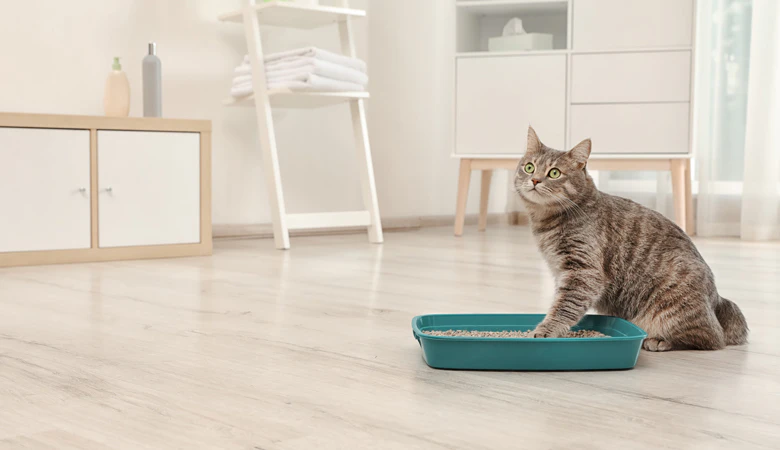
An aversion to the litter box may be one of the most important causes. There can be several reasons why your cat dislikes the litter box:
- the litter box is too dirty
- the type of litter is unsuitable
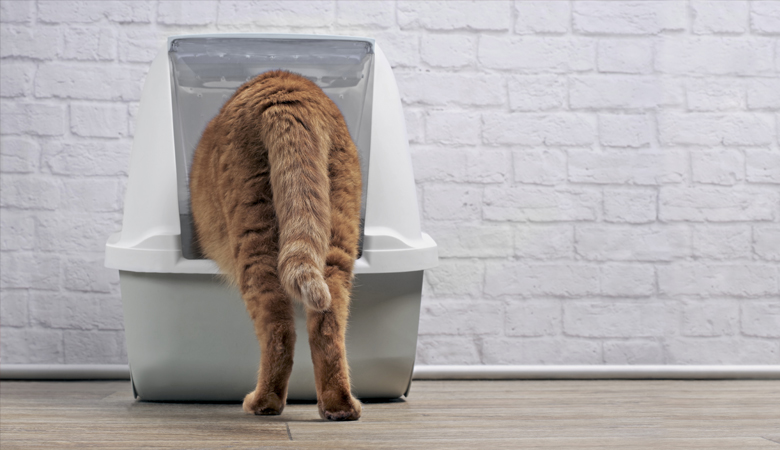
- the design of the litter box is unsuitable or the box is too small
- the litter box is in the wrong location
- a traumatic experience involving the litter box
Also read our blog How do I get my cat to use the litter box? 5 tips!.
Pain
Pain can also make your cat less willing to use the litter box, causing them to delay passing stools. Pain when passing stools can also contribute to constipation. This may be caused by a painful condition around the large intestine or anus, but also, for example, by back pain that makes it more difficult for your cat to adopt the correct position to pass stools.
Narrowing of the pelvis or nerve damage following trauma
Unfortunately, cats are relatively often involved in road traffic accidents. Such an accident can result in a fractured pelvis. In most cases, this can heal very well, but unfortunately there can sometimes be lasting effects. The pelvis may become narrowed and permanent nerve damage may occur, which can affect intestinal motility as well as the cat’s muscle strength. This can make passing stools more difficult.
Dehydration
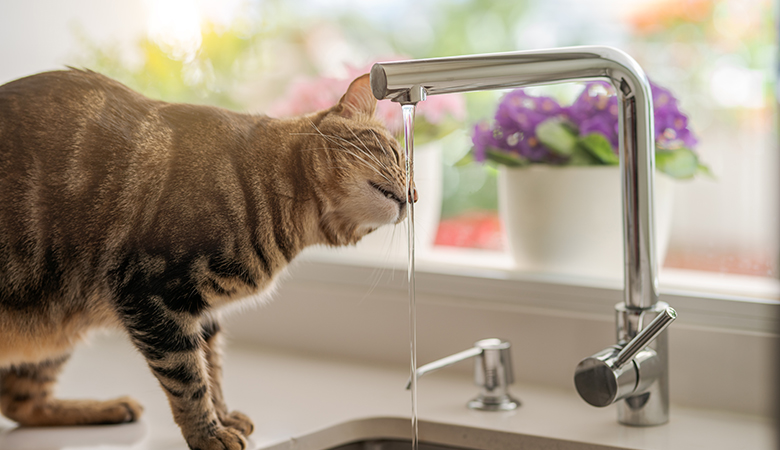
Many cats drink very little. Some genuinely drink too little, which can cause more moisture to be absorbed from the intestinal contents, making the stools drier and harder.
Too little exercise
Exercise is important for healthy bowel function. If your cat does not exercise enough, this can cause the intestines to function less effectively. Risk factors for insufficient exercise include being an indoor cat, being overweight and having joint problems. It is therefore important to keep an eye on this. Give your cat measured portions of food, try to encourage your indoor cat to exercise through play or, for example, food puzzles, and contact your veterinarian if you notice that your cat is having more difficulty moving.
Hairballs
Hairballs can eventually also cause your cat to become constipated. Read more about this in our blog Hairballs in cats.
How can I recognise constipation in my cat?
Constipation in cats often develops very gradually and requires owners to pay close attention. At first, you may notice that there are fewer stools in the litter box. Your cat may use the litter box less often. Your cat may also remain in the litter box for longer than usual. If you have an open litter box, you may notice your cat straining more to pass stools or even meowing in pain. Sometimes you may see small amounts of loose stool containing small lumps. This may be diarrhoea that is being pushed past the blockage. If your cat becomes severely constipated, they may become ill, start vomiting and stop eating. This is an emergency!
If the blockage has been present for a very long time, the intestine can lose its normal function. This can result in a condition known as megacolon. If this happens, the prognosis is guarded. In some cases, laxatives can still provide support. However, surgery is often necessary to remove the affected part of the intestine.
How is a cat with constipation treated?
If your cat is severely constipated, you should take them to the veterinarian. Laxatives and medication may be used to try to empty the bowel. Sometimes an enema or bowel flush may even be necessary.
Can I prevent constipation in my cat?
There are several things you can do yourself to help prevent constipation or manage mild constipation:
- Keep the litter box clean
- Provide enough litter boxes in quiet locations around the home and do not place them all together
- Make sure your cat drinks enough. You can offer wet food to increase their fluid intake. A water fountain can also encourage drinking.
- Try to encourage your cat to exercise. Provide plenty of cat toys or encourage movement by using a food puzzle.
- Prevent your cat from becoming overweight
- Feed your cat a high-fibre diet
It is always important to try to determine the cause of the constipation and act accordingly.
Royal Canin Fibre Response for cats
Royal Canin Fibre Response is a special diet for cats that are prone to constipation. This food contains a special combination of fibres that are beneficial for cats with (chronic) constipation. These fibres contribute to:
- Supporting healthy bowel function
- Restoring a balanced intestinal flora
- Inhibiting the growth of harmful, pathogenic bacteria
- Protecting healthy intestinal tissue
- Promoting intestinal transit and good stool quality
If your cat regularly suffers from constipation, this food can therefore be a good choice.
Do you still have questions about constipation in cats? Please contact us at veterinarian@vetsend.co.uk.