Service
Basket
Menu
5% off all snacks and toys with code BLACKFRIDAY Read more

Dangerous Spiders for Dogs and Cats: What Do You Need to Know?

Written by Astrid |

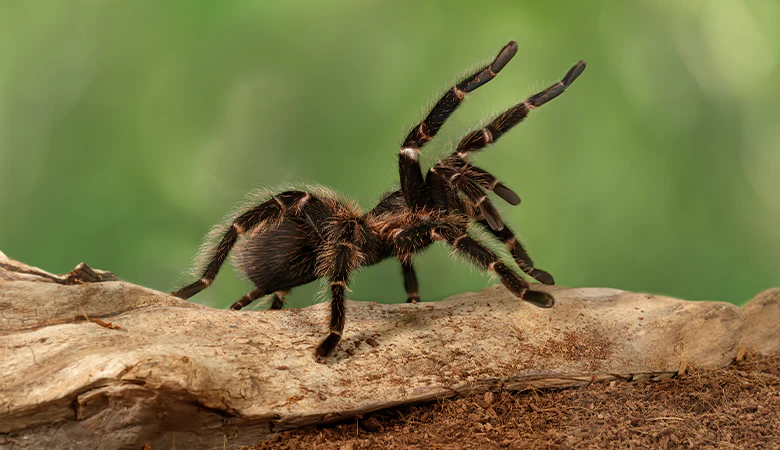
Spiders give many people the creeps, but they can also be dangerous to dogs and cats in some cases. Fortunately, very few spiders in the United Kingdom pose a serious threat to pets. In other parts of the world, however, the situation is different. Some species have venom that can cause severe symptoms or even be fatal to pets. In this blog, you'll discover which spiders are dangerous to dogs and cats, what to do if your pet is bitten by a spider, and how to protect your pet.
Dangerous Spiders for Pets

Spiders in the United Kingdom

There are hundreds of different spider species in the United Kingdom. Most are harmless to both humans and animals. Only a few species can bite, and even then, serious consequences are rare. However, bites can cause irritation or mild swelling, particularly in sensitive areas such as the lips or nose. Dogs and cats often encounter spiders out of curiosity: they may try to catch or eat one.

Spider species that may cause irritation include:

  • False widow (Steatoda nobilis): This spider is found in the United Kingdom. It rarely bites, but its venom can cause mild swelling and pain. Severe reactions are extremely rare.
  • Garden cross spider (Araneus diadematus): This spider is commonly found in gardens, especially during autumn. The garden cross spider can bite when handled or disturbed, but bites in dogs and cats are uncommon. Reactions are usually mild and localised.
Relevant products

Dangerous Spiders Abroad

In other countries, particularly warmer regions, there are spiders that can be dangerous or even deadly to dogs and cats. This is especially important to consider if you are going on holiday or taking your pet abroad.

Some well-known dangerous spider species around the world include:

1. Black Widow (Latrodectus spp.)

  • Found in: the Americas, Southern Europe, Asia and Australia.
  • Symptoms: muscle tremors, lethargy, paralysis and breathing difficulties.
  • Severity: potentially fatal without treatment.

2. Brown Recluse Spider (Loxosceles reclusa)

  • Found in: North and Central America.
  • Symptoms: tissue death (necrosis), fever, vomiting and weakness.
  • Severity: can cause severe wounds that are difficult to heal.

3. Australian Funnel-web Spider (Atrax robustus)

  • Found in: Australia.
  • Symptoms: breathing difficulties, muscle spasms and an increased heart rate.
  • Severity: life-threatening, particularly for smaller pets.

4. Brazilian Wandering Spider (Phoneutria spp.)

  • Found in: South America.
  • Symptoms: pain, muscle cramps, paralysis and seizures.
  • Severity: highly venomous and requires urgent veterinary treatment.

Please note: In dogs and cats, the symptoms are often less obvious than in humans. Lethargy, reduced appetite or changes in behaviour may already be signs of a spider bite.

What Should You Do If Your Pet Is Bitten by a Spider?

What you should do if your pet is bitten by a spider largely depends on where the bite occurred (in which country) and which species of spider was involved.

Spider Bites in the United Kingdom

In the United Kingdom, extensive treatment is usually not necessary after a spider bite.

  • Gently clean the affected area with lukewarm water and mild soap.
  • Monitor the area for swelling, redness or excessive licking.
  • Consult your vet if your pet develops swelling, lameness or a fever.

Does your dog or cat keep licking the bite area? You can use a soothing skincare cream, such as Maxani AtopOat Cream.

Spider Bites Abroad

If your pet is bitten by a spider abroad, it may be necessary to act quickly.

  • If possible, make a note of what the spider looked like.
  • Contact a local vet: antivenom for certain spider species is available in some regions.
  • Always take the situation seriously if you are unsure, particularly if your pet develops symptoms such as vomiting, seizures or breathing difficulties.

How Can You Protect Your Pet from Spider Bites?

There are several precautions you can take to protect your dog or cat from spider bites:

  • Prevent your pet from sniffing or investigating spiders and insects.
  • Check your dog’s or cat’s sleeping area, particularly in tents, holiday homes or stables.
  • Keep your pet indoors as much as possible when travelling to high-risk areas (Australia, South America and the southern United States).
  • Use insect screens and mosquito nets in areas where spiders are common.
  • Shake out bedding and check shoes and bags for spiders when travelling.

How Dangerous Are Spiders Really for Your Dog or Cat?

In the United Kingdom, there is usually little reason to worry. Spiders found here are almost never life-threatening to pets. Abroad, however, spider bites can have serious consequences, particularly for small dogs, cats and young animals. Stay alert, especially when travelling, and always consult a vet if you are unsure.

Do you have questions about dangerous spiders and your pet? Contact us at veterinarian@vetsend.co.uk.

Frequently Asked Questions

Are spiders in the United Kingdom dangerous to dogs and cats?

Most spiders in the United Kingdom are harmless to dogs and cats. Some species, such as the garden cross spider and the false widow, can bite and cause localised pain, redness or swelling. Fortunately, severe reactions are rare. If you notice that your pet develops symptoms after coming into contact with a spider, contact your vet.

How can you recognise a spider bite in a dog or cat?

A spider bite may cause localised redness, swelling or pain. Your dog or cat may lick or scratch the affected area excessively. Sometimes the symptoms are less obvious, and you may simply notice that your pet is lethargic, eating less or behaving differently. As these symptoms can also have other causes, it is advisable to contact your vet if you are unsure.

Which spiders are dangerous to dogs and cats abroad?

Various venomous spider species found abroad can be dangerous to pets. Examples include the black widow, brown recluse spider, Australian funnel-web spider and Brazilian wandering spider. Bites from these spiders can cause severe symptoms, such as muscle cramps, breathing difficulties or tissue damage. If you suspect your pet has been bitten by a dangerous spider while on holiday, contact a local vet immediately.

What happens if my dog or cat eats a spider?

Dogs and cats are curious and sometimes try to catch or eat spiders. With most spider species found in the United Kingdom, this does not usually cause problems. However, there is a possibility that the spider could bite your pet inside the mouth while being caught. Keep a close eye on your pet. If symptoms such as swelling, vomiting or lethargy develop, consult your vet.

What should you do if your dog or cat is bitten by a spider?

Has your pet been bitten by a spider in the United Kingdom? Gently clean the affected area with lukewarm water and mild soap. Check for redness or swelling and monitor your pet closely. Contact your vet if the swelling increases or your pet develops symptoms such as lameness or fever. If your pet experiences breathing difficulties, seizures or severe lethargy, immediate veterinary attention is necessary.

How can you prevent your dog or cat from being bitten by a spider?

You can reduce the risk of spider bites by regularly checking your pet’s sleeping and resting areas. Be particularly careful when travelling to warm countries, for example when staying in tents, holiday homes or stables. Use insect screens or mosquito nets where necessary and prevent your dog or cat from playing with unfamiliar spiders. Extra caution is important in areas where dangerous spiders are found.

Read Our Other Blog Articles

More tips

Sign up for our newsletter

image (20)

About the author

Mara van Brussel-Broere, Veterinarian at Vetsend

Graduated as a companion animal veterinarian from Utrecht University, she uses her practical experience to advise customers and share knowledge at Vetsend. She finds it important to provide pet owners with clear information about health and wellbeing.

Read more about Mara