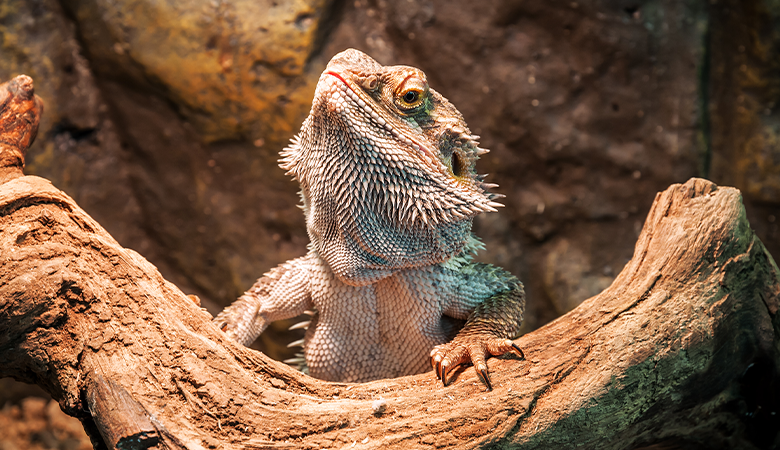
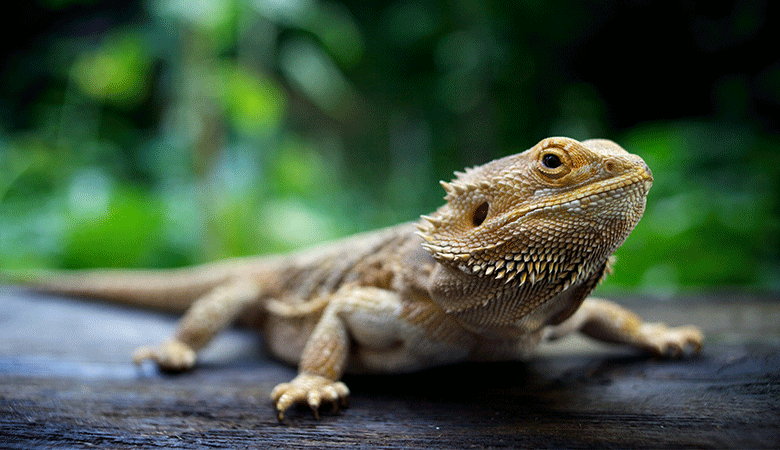
Reptiles and the vet: where can you go with your snake, turtle or lizard?
Written by Meanne |
Reptiles and amphibians are unique pets that need completely different care from dogs or cats. They have specific requirements for their environment, diet and health, and the same applies when medical care is needed. But what should you do if your bearded dragon suddenly stops eating, or if your turtle has a small wound? Can you simply go to the vet? In this blog, you’ll read why it is important to find a vet with knowledge of reptiles and amphibians, and how insurance works for these exotic pets.
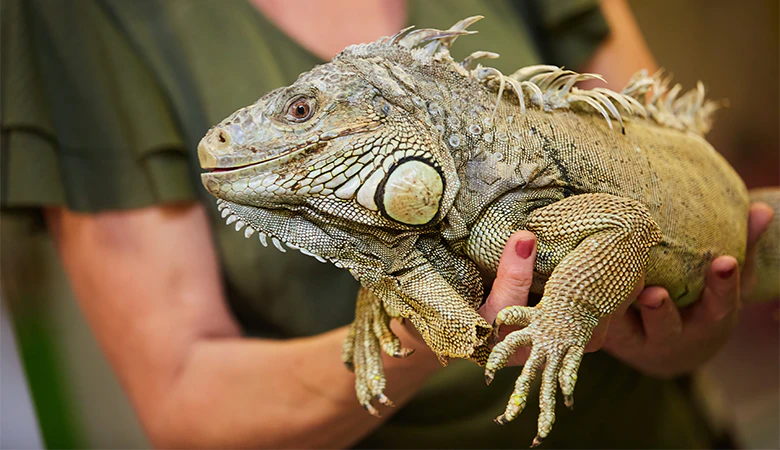
Not every vet treats reptiles and amphibians
Most vets have extensive experience with dogs, cats and other common pets. Reptiles and amphibians are not usually included in this. During veterinary training, relatively little attention is given to these animal groups, which means not every vet feels comfortable treating a snake, gecko or axolotl, for example.
That does not mean there is nowhere you can go, but you do need to actively look for a vet with specific experience or interest in reptiles and exotic animals.
How do you find a reptile vet?
If you have a reptile or amphibian as a pet, it is wise to research in advance which vet you can visit. Ideally, look for a vet who:
- Has specialised knowledge of reptiles and amphibians
- Has experience treating exotic animals
- Has the appropriate equipment, such as a specially equipped consultation room and hospital enclosure
You can ask your current vet about this, search websites of specialised clinics, or contact reptile associations or rescue centres.
Please note: in emergency situations, it can be difficult to find a suitable vet at the last minute. Make sure you arrange this in advance.