Service
Basket
Menu
25% off Hill’s with Vetsend Repeat code: HILLS25 Read more

Deer ked fly in dogs: the ‘flying tick’ that causes painful bites

Written by Mara | Dierenarts |

The deer ked fly is a parasite that more and more dog owners are encountering, especially during walks in wooded areas. This unusual fly is also known as the flying tick and can cause quite unpleasant symptoms in dogs. Deer ked flies are especially active in August and September, but in favourable weather conditions they may also appear at other times of the year. In this blog, you can read how to recognise a deer ked fly, what the symptoms are in dogs and how you can protect your dog.

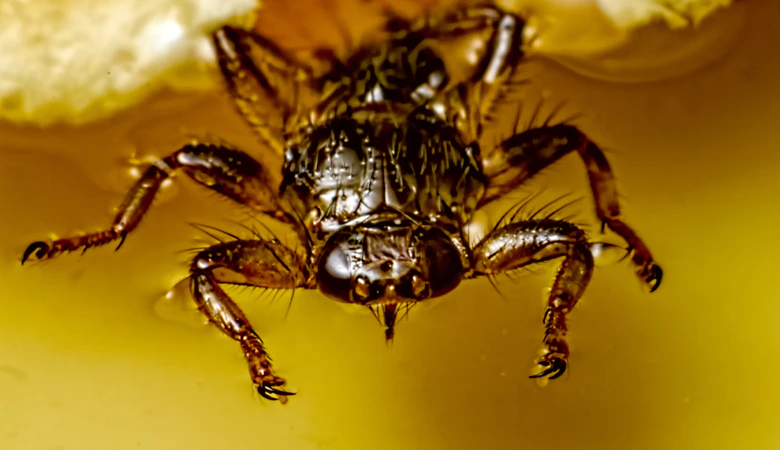
Deer ked fly

What is a deer ked fly?

The deer ked fly is a small, blood-sucking parasite from the louse fly family. The fly is about 3.5 to 5 mm in size and reddish-brown in colour. It has a flat, leathery head, thorax and abdomen and is covered with stiff hairs. What makes this fly unusual is that it sheds its wings as soon as it has found a suitable host. It then crawls through the coat towards the skin to feed on blood. Because of this behaviour, the deer ked fly is also known as the flying tick.

Where is the deer ked fly found?

Deer ked flies are found in temperate regions of the northern hemisphere, including Europe. They mainly live in forests, at forest edges and in areas where there is a lot of wild game. Their natural hosts include red deer, roe deer, fallow deer, reindeer and moose. Sometimes the fly mistakes dogs, horses, people and badgers for a host.

Relevant products

Life cycle of the deer ked fly

The life cycle of this fly is unusual. The female develops one larva at a time in a kind of “womb”, where it is fed with a special glandular secretion. Once the larva is fully developed, it is deposited in the host’s coat or on the ground. The larva then pupates. In late summer or autumn, the adult fly emerges from the pupa. It then actively searches for a host. After landing, the fly sheds its wings and crawls through the coat to the animal’s skin. There it feeds on blood for about 15 to 25 minutes. It then finds a mate and the cycle begins again.

How do you recognise a deer ked fly on your dog?

When the fly sees a dog as a potential host, it will often keep circling around the dog before landing. The fly mainly bites areas with little hair, such as the belly, the inside of the thighs and around the anus. A deer ked fly moves much faster than a tick, which makes it difficult to catch.

Symptoms of a deer ked fly bite

A deer ked fly bite is painful and can cause a lot of irritation. Common symptoms in dogs are:

  • suddenly biting or snapping at the skin
  • intense scratching
  • redness or swelling
  • painful bumps
  • restlessness during or after a walk

Some dogs develop more severe inflammatory reactions.

How do you remove a deer ked fly?

If you see a deer ked fly in the coat, try to remove it as quickly as possible before it bites. This can be difficult because the fly moves quickly and grips firmly into the coat. Practical tips:

  • use a piece of duct tape to catch the fly
  • some people use hairspray to make the fly temporarily less mobile
  • check the coat carefully after a walk in the woods

What can you do for insect bites?

After a bite, you can support the skin with soothing or calming products. Suitable products include:

These products can help care for the skin and reduce irritation.

How can you prevent deer ked flies in dogs?

Prevention is difficult, but you can reduce the risk.

Avoid high-risk areas

Deer ked flies are especially common in forests, dense natural areas and places with many deer. Avoid these areas when the fly is active.

Use a repellent product

Some products against ticks and flies can help repel deer ked flies. For example:

These products have a repellent effect against various insects and parasites.

Check the coat after walking

Check your dog carefully after a walk, especially the sparsely haired areas such as the belly, groin, armpits and base of the tail.

Deer ked flies in horses

Horses can also be badly affected by deer ked flies. Horses that are kept in or near wooded areas in particular may react restlessly because of the painful bites. Symptoms in horses may include:

  • restlessness
  • rubbing
  • tail swishing
  • skin irritation
  • overreacting while being ridden

In some horses, severe reactions or even colic-like symptoms have been described. Products that can support the skin after fly bites include:

The deer ked fly is therefore a small but troublesome parasite that mainly occurs in wooded areas. Although the fly normally lives on wild animals, dogs and horses can also become victims of its painful bites. For that reason, check your animal carefully after walks in nature and support the skin with caring products if needed.

Frequently asked questions about the deer ked fly in dogs

Which home remedies can you use against the deer ked fly?

Deer ked flies are difficult to catch because they move quickly. That is why some dog owners use a few practical home remedies:

  • spray the fly with a little hairspray so it moves less quickly
  • remove the fly with a piece of duct tape
  • check the coat carefully after a walk in the woods

It also helps to keep dogs out of dense woodland as much as possible during peak periods.

What are the symptoms of a deer ked fly bite?

A deer ked fly bite is often painful. Dogs may therefore:

  • suddenly jump up or snap at the skin
  • scratch a lot or rub themselves
  • become restless
  • develop red or swollen spots
  • react sensitively to touch

Some dogs develop a strong inflammatory reaction.

What does a deer ked fly bite look like?

The bite usually looks like a red bump or a small swollen area. Sometimes with a scab or irritated skin around it. The bite is often found in places with little hair, such as the belly, groin, inside of the thighs and around the anus.

What should you do if you find a deer ked fly on your dog?

Try to remove the fly as quickly as possible before it can bite. Because the fly runs quickly, this can be difficult. If needed, use duct tape or make the fly less mobile with a small amount of hairspray. Then check the skin for bite marks and keep a close eye on your dog. If there is irritation or itching, you can care for the skin with a soothing product. If there is a lot of swelling, pain or inflammation, contact a veterinarian.

Sign up for our newsletter

Also read our other blogs

More tips
image (20)

About the author

Mara van Brussel-Broere, Veterinarian at Vetsend

Graduated as a companion animal veterinarian from Utrecht University, she uses her practical experience to advise customers and share knowledge at Vetsend. She finds it important to provide pet owners with clear information about health and wellbeing.

Read more about Mara