What do birds eat in autumn?
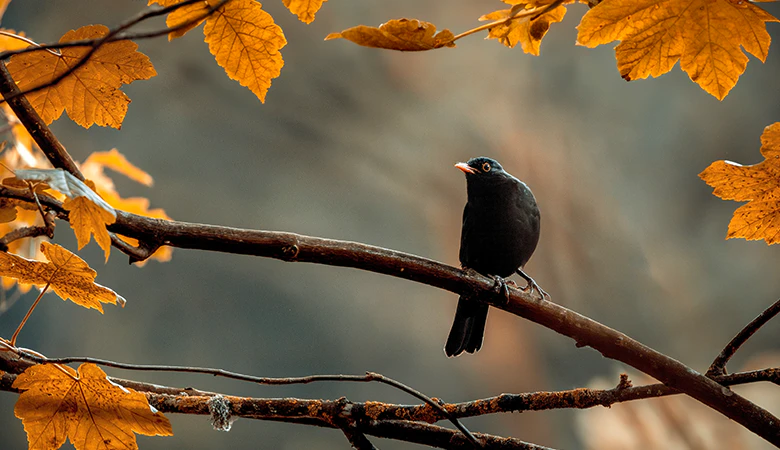
Not every bird has the same diet. Blackbirds like to search the ground for earthworms and insects and also eat fruit and berries. Tits eat insects, seeds and nuts, among other things, while finches and sparrows eat plenty of seeds. Some bird species may also enjoy fallen fruit.
A natural, bird-friendly garden therefore has plenty to offer in autumn. Faded plants still contain seeds, shrubs bear their last berries and insects and other small invertebrates can be found among fallen leaves. Try not to tidy your garden too thoroughly in autumn. This leaves more natural food available for the birds.
When should you feed birds in autumn?
Birds can be fed throughout the year. You therefore do not need to wait for the first night frost. In autumn, you can start by offering small amounts of food and adjust these according to the circumstances. At the beginning of autumn, there is usually still plenty of natural food available. As temperatures fall and the natural supply decreases, you can increase the amount of food available at the feeding areas. High-energy food such as unsalted peanuts and fat-based products is a useful addition at this time.
It is better to provide a suitable amount regularly than to offer a large amount all at once. This reduces the risk of food being left for too long, becoming wet or spoiling.
What bird food should you provide in autumn?
By offering different types of bird food, you can make your feeding area attractive to several bird species. In autumn, you can choose from options such as:
- Seeds and kernels: suitable for sparrows, finches and tits, among other birds
- Sunflower seeds: a high-energy option eaten by many garden birds
- Unsalted peanuts: rich in fat and therefore suitable as a high-energy supplement
- Fat balls and fat-based products: particularly useful when temperatures fall further
- Peanut butter for birds: rich in energy; always use peanut butter developed specifically for birds
- Berries and fruit: correspond to the food that various birds naturally search for in autumn
Would you like to learn more about what you can offer birds during the different seasons? Read our blog about Feeding garden birds.
Can you feed bread to birds?
Pieces or crumbs of bread are often given to garden birds, but bread is not the best choice. It fills the stomach while containing relatively few nutrients that are genuinely useful to birds. Bread also often contains salt, which is not good for birds in larger quantities. A small amount of bread occasionally will not usually cause harm, but do not make it a daily habit. Would you like to provide supplementary food for birds in autumn? Choose the nutritious alternatives discussed above instead. They provide more energy and nutrients, which birds can make good use of during the colder months.
How to offer bird food safely
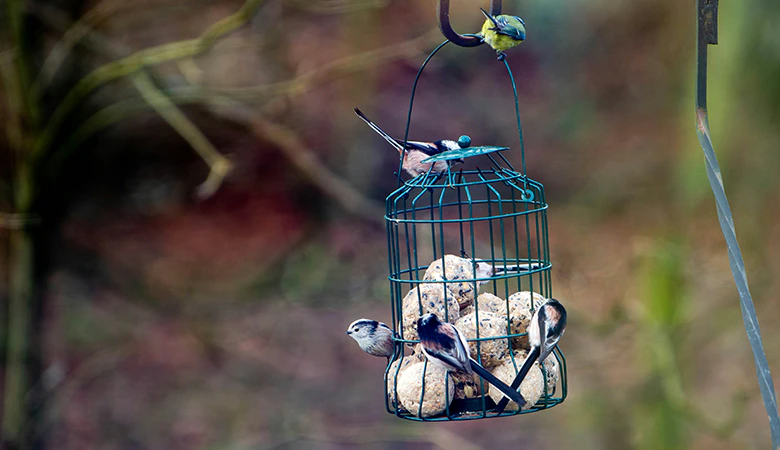
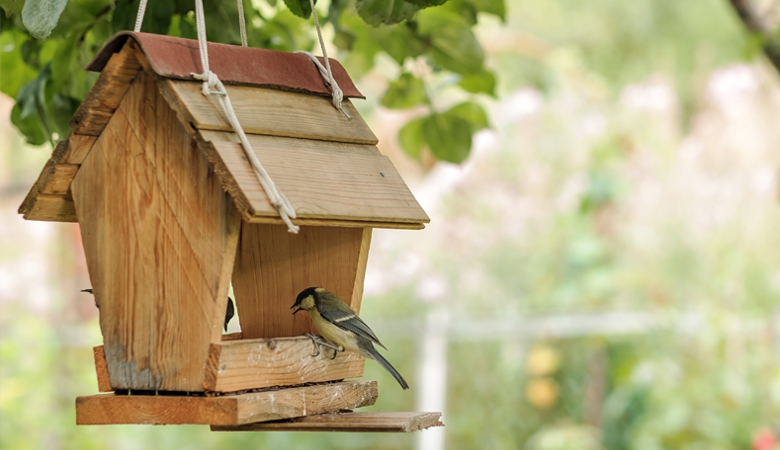
It is not only important what you feed birds, but also how and where you offer it. Birds search for food in different ways. Tits, for example, like to use hanging feeders, while blackbirds and other ground-feeding birds prefer to search for their food closer to the ground. You can therefore combine different feeding areas, such as a hanging feeder, feeding house and bird table. Place these in a quiet, open location where birds can spot danger in good time. Shrubs, hedges or trees nearby provide a safe place for them to retreat.
Hygiene is important. Pathogens can spread more easily in places where many birds gather. Regularly remove leftover food and droppings, clean food containers and bird tables thoroughly and replace any food that has become wet, mouldy or dirty.
View our range of supplies for garden birds and choose a suitable feeding area for the birds in your garden.
Water for birds during cold weather
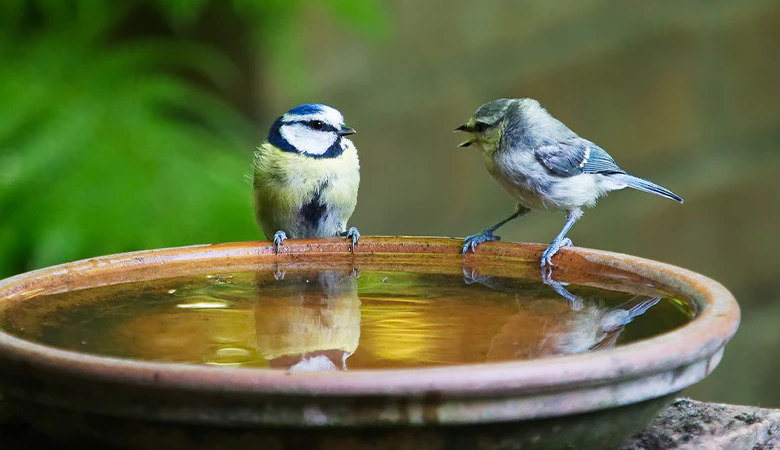
Birds also need water in autumn and winter. They use it not only for drinking but also for caring for their feathers. Place a shallow dish of clean water in a safe location and replace the water regularly. The water may naturally freeze during cold nights. Check the water dish daily and replace frozen water with fresh water. Do not add salt, antifreeze or other substances to prevent freezing.
Birds can also bathe when the weather is cold. Their plumage protects them against the cold. Make sure that the dish is not so deep that small birds have difficulty getting out.
- Make your garden attractive to birds
- Supplementary feeding is only one way to help birds in autumn. A garden with sufficient natural food and shelter has much more to offer them.
- Leave some faded flowers containing seeds in place
- Choose shrubs and plants that produce berries or seeds
- Leave fallen leaves in some areas; insects and other small creatures live among them
- Provide shrubs, hedges and trees as places to shelter and rest
- Avoid using pesticides against insects where possible
- Consider installing nest boxes. Outside the breeding season, some birds may use these as sheltered resting places
This makes your garden not only a feeding area but also an environment in which birds can continue to search for food themselves and find shelter.
Which birds can you see in your garden in autumn?
You can encounter familiar garden birds such as house sparrows, great tits, blue tits and blackbirds throughout the year, while robins often appear a little more frequently in autumn. Autumn is also an important migration season. Some birds leave for the south, while others arrive in the Netherlands from more northerly regions to spend the winter or stop temporarily during their migration. The birds that ultimately visit your garden and feeding area depend on the surroundings, the natural food supply and the food you provide. By offering different types of food in several places, you can make your garden attractive to various bird species.
Would you like to learn more about different garden animals, such as birds, hedgehogs and squirrels? Discover here which species there are and how they live.
Feeding birds in autumn: good preparation for winter
Autumn is the ideal time to make your garden attractive to garden birds. Leave as many natural food sources in place as possible, supplement them with suitable bird food and provide fresh water, clean feeding areas and sufficient shelter. This gives birds a pleasant place to find food and helps them prepare for the colder winter months.