Service
Basket
Menu
5% off snacks with code SNACKS5 Read more

Bee

The bee is an essential and beneficial insect in the garden and plays an important role in nature. In many regions, various species of bees can be found, such as the honeybee and many species of wild bees. Many wild bees live solitarily and nest in the ground or in small cavities. As pollinators, bees ensure that flowers, plants, vegetables and fruit can reproduce, contributing to a healthy and diverse garden. Unfortunately, bees are increasingly under pressure due to the use of pesticides and the loss of flowers and nesting sites.

Bees are often confused with wasps, but there are clear differences. Bees are generally rounder and hairier and focus on nectar and pollen. Wasps are slimmer, smoother and are more often attracted to sweet foods or meat. In addition, bees are generally less aggressive and will only sting when threatened.

bee

Characteristics

Body build: Small, hairy body with wings and often clearly visible segments.
Colours and coat types: Yellow-black, brown or black; often hairy (more than wasps).
Weight: A few milligrams
Life Expectancy: A few weeks to months (the queen can live for several years)
Health risks: Lack of food, pesticides, parasites (such as the varroa mite in honeybees) and loss of habitat.

Behaviour profile

Activity (day)
Visibility in the garden
Usefulness for the garden
Sensitivity to disturbance
Human interaction
)

Popular products for the garden

Habitat

Bees feel most at home in a flower-rich, natural garden with plenty of variety. They need nectar and pollen throughout the entire season, from early spring until autumn. Native plants are particularly valuable, as they match the needs of local bee species. In addition to food, nesting opportunities are also important. Wild bees, for example, nest in the ground, hollow stems or small holes in wood. You can help by installing a bee hotel, leaving a small area of bare soil, or leaving branches and plant debris in place. A sunny, sheltered location is ideal. Also avoid the use of pesticides, as these are harmful to bees.

Diet

Bees feed on nectar and pollen. Nectar serves as an energy source, while pollen contains essential nutrients for the development of larvae. By offering a wide variety of flowering plants in the garden, you ensure that bees can find sufficient food. It is important that flowers are available throughout the entire season, from early bloomers in spring to late-flowering plants in autumn. Bees collect their own food and do not need to be fed, but a bee-friendly garden makes a significant difference.

Role in the garden

Bees play an essential role in the garden by pollinating plants. This allows flowers, fruit and vegetables to develop. Without bees, a large part of our plants would not be able to reproduce. By attracting bees, you contribute to a healthy and vibrant garden with more flowers, fruits and biodiversity. Other animals, such as birds and insects, also benefit from this.

Protection and points of attention

Bees are facing increasing challenges due to habitat loss, a shortage of flowers and the use of pesticides. Modern gardens often provide little food and few nesting opportunities. You can help bees by choosing a natural, diverse garden without chemical products, with flowering plants and, for example, an insect hotel. Even a slightly wilder corner of the garden can already make a big difference.

If you see a weakened bee, you can help with a small drop of sugar water (1 part sugar, 1 part water), for example on a spoon or a flower. Often, the bee will quickly regain its strength. Please note: sometimes a bee is simply resting.

Read also our other blogs

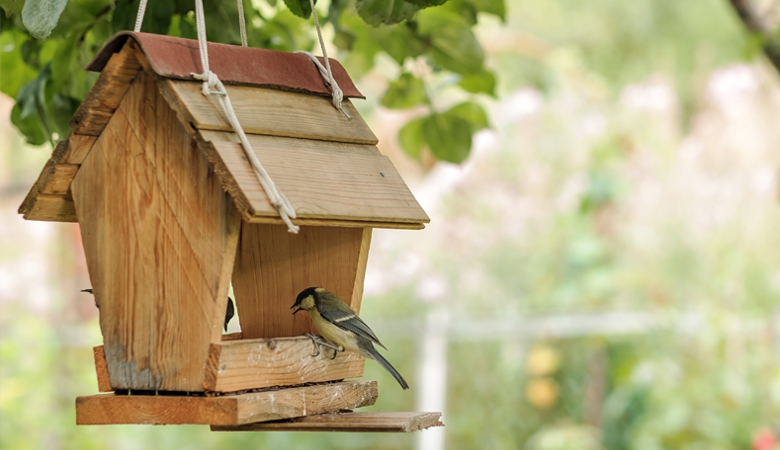
Bird at birdhouse

Feeding garden birds: What to feed and when?

It is recommended to feed garden birds all year round. Birds need energy throughout the entire year. In winter, they use energy to keep themselves warm; in spring, they need it for nesting, laying eggs, and raising their young. In autumn, they build up reserves to prepare for the winter. Birds stop eating once they are full. It is also a myth that birds forget how to find food for themselves.
Plants and gardening

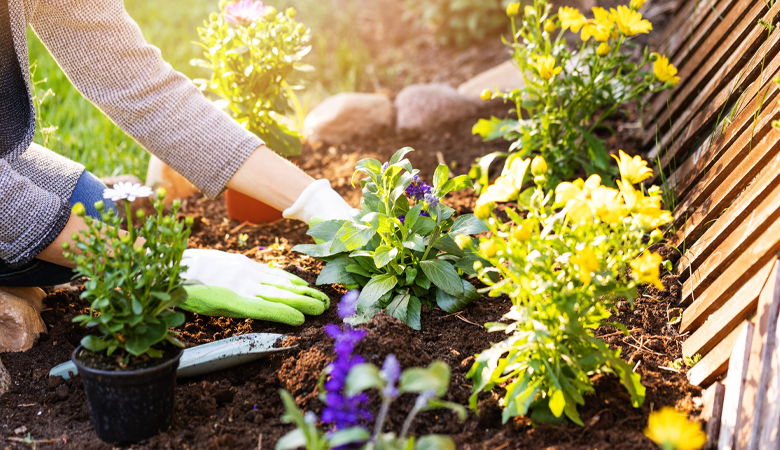
Prepare your garden for spring: be careful with cocoa shell mulch and fertiliser

Most people are aware that chocolate is dangerous for dogs. A lot of dog owners take additional precautionary measures during Easter and Christmas, to prevent their furry friend from eating chocolate. However, plenty of people do not know that a harmful substance called theobromine can be found in various fertilisers and soil improvers. This is why we would like to make you aware of the dangers of this substance, which is often used when people prepare their gardens for the upcoming spring.

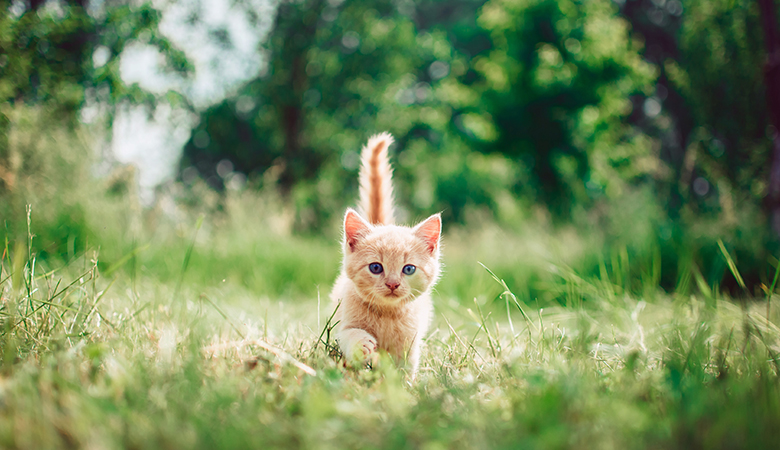
Kitten running through the grass outside.

Bird flu: a risk for your dog or cat?

Avian influenza has affected wild birds and poultry for many years, but in 2025 the first confirmed infection in kittens was reported in the Netherlands. This raises many questions for pet owners: can my dog or cat get bird flu too? How dangerous is it? And what should I do if my animal comes into contact with a dead bird? In this blog we explain what is known so far, how the recent cases in the Netherlands unfolded and how you can best protect your pets.

More tips