Service
Basket
Menu
Up to 30% off during the Spring Deals Read more

Blackbird

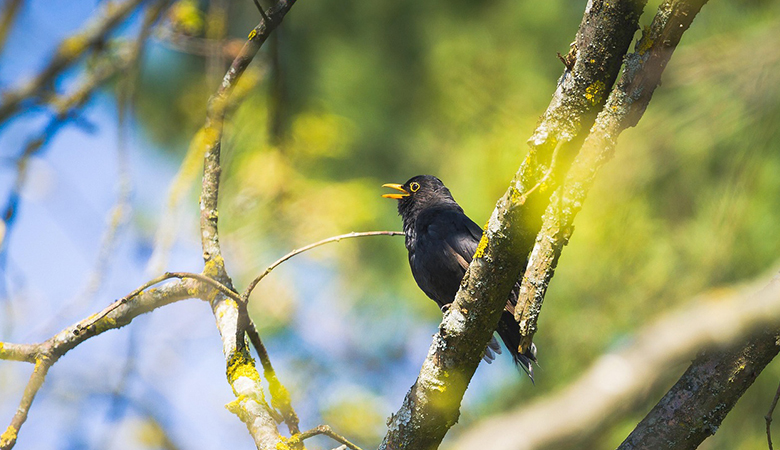
The blackbird is a well-known garden bird that you often see in gardens, parks and along woodland edges. The male especially stands out because of its black plumage and bright orange beak, while the female has a more brown-speckled appearance. Blackbirds are curious and active birds that regularly forage across lawns in search of food. They enjoy eating insects, worms and berries, but also visit feeding tables for fruit or soft food. In spring, the blackbird is known for its beautiful, cheerful song, which can often be heard early in the morning. Thanks to their adaptability, blackbirds feel very much at home near people, as long as there is enough shelter and food available. blackbird

Blackbird

Characteristics

Body build: Medium-sized songbird with a slender body, relatively long tail and a sturdy, straight beak.
Colours and coat types: The male has black plumage with a striking orange-yellow beak and eye-ring. The female is brown in colour with a lighter, often speckled breast.
Weight: 80 - 120 g
Life Expectancy: 2 - 5 years
Health risks: Food shortages, harsh winters, parasites, diseases such as the Usutu virus and predation by cats and birds of prey.

Behaviour profile

Activity (daytime)
Visibility in the garden
Useful for the garden
Sensitivity to disturbance
Human friendliness

Popular products for your garden

Habitat

Blackbirds feel at home in green gardens, shrub-rich parks and woodland edges. They like to seek shelter among dense shrubs, hedges and ivy, where they can safely rest and nest. They are often seen foraging on the grass among leaves, searching for worms and insects. Blackbirds are also well known for their song. Especially in spring, males often perch high on a fence, rooftop, treetop or antenna to mark their territory with their familiar melodic singing. A garden with plenty of greenery, quiet spots and shelter makes the environment especially attractive to blackbirds.

Diet

Blackbirds eat a varied diet of insects, earthworms, larvae, berries and fruit. Especially in spring and while raising their young, they need animal-based food such as worms and insects. In autumn and winter, they supplement this with soft fruit and other energy-rich food. You can support blackbirds with raisins, apples, mealworms or special soft food for garden birds. It is best to offer this from the ground or a low feeding tray. Fresh drinking and bathing water is also highly appreciated.

Role in the garden

Blackbirds play an important role in a natural and lively garden. Because they eat many insects, larvae, slugs and worms, they help naturally keep insect populations in balance. Especially in spring, they actively search for caterpillars and other small creatures to feed their young. Blackbirds also help spread the seeds of berries and fruits they eat, allowing plants to spread further in nature. Their presence also brings extra life to the garden.

Protection and points of attention

Blackbirds benefit from a calm and safe environment with plenty of food and shelter. The loss of greenery, the use of pesticides and prolonged drought can make it harder for them to find food. Cats and diseases such as the Usutu virus also pose a risk. By creating a varied garden, avoiding pesticides and providing water, you can offer blackbirds additional support.

Everything about the blackbird

How old does a blackbird get?

A blackbird lives on average 2 to 5 years in the wild. Many young blackbirds do not survive their first year because of predators, diseases or food shortages. Blackbirds that successfully make it through this first period can sometimes live much longer. The oldest known blackbirds have even reached ages of over 15 years.

Which bird looks like a blackbird?

The starling is often confused with a blackbird (especially the female), particularly from a distance. However, starlings are smaller, shinier and have light speckles on their feathers. The song thrush is also similar in size and behaviour to a blackbird, but it has a lighter breast with dark spots.

When does a blackbird build a nest?

Blackbirds usually begin building their nest from March onwards, although in mild weather this may start earlier. They like to build their nests in sheltered places such as shrubs, hedges, ivy or under a canopy. The nest is made from twigs, grass and moss and strengthened on the inside with mud.

A female blackbird usually lays 3 to 5 blue-green eggs with brown speckles. Blackbirds often have several broods per year, meaning you may encounter young blackbirds in the garden from spring well into summer.

Young blackbirds

Young blackbirds often leave the nest before they are fully able to fly. This is normal behaviour and part of their development. During this period, they often hide among shrubs, under plants or forage on the ground, while the parents continue to provide food. The young birds have brown-speckled plumage, which helps them remain less visible to predators.

Do you see a young blackbird sitting alone? In most cases, intervention is not necessary. The parents are often still nearby to feed and protect the young bird. Only when a young blackbird is clearly injured or appears abandoned for a long period may help be needed. Read our blog here: “Found a young blackbird? Here’s what you should and shouldn’t do!”.

What sound does a blackbird make?

The blackbird is known for its beautiful, melodic song. Especially early in the morning and in the evening, the male produces a calm, flute-like song from a rooftop, tree or fence. Besides singing, blackbirds also make short alarm calls, such as a sharp “tchack-tchack-tchack” when they spot danger.

What does a blackbird eat?

Blackbirds mainly eat insects, earthworms, larvae, slugs, berries and fruit. In gardens, they love mealworms, soft universal bird food, apple pieces and raisins. They usually search for food on the ground among the grass, leaves and borders.

What does a blackbird look like?

The blackbird is a medium-sized songbird with a slender body, a fairly long tail and sturdy legs. The male is easy to recognise by its glossy black plumage, bright orange beak and striking yellow eye-ring. The female looks different: she has a warm brown colour with a lighter, often spotted breast and a darker beak. Young blackbirds resemble the female, but usually have even more light speckles on their feathers.

Also read our other blogs

More tips