Service
Basket
Menu
Discover our top deals on Hill’s with up to 30% off Read more

Blue Tit

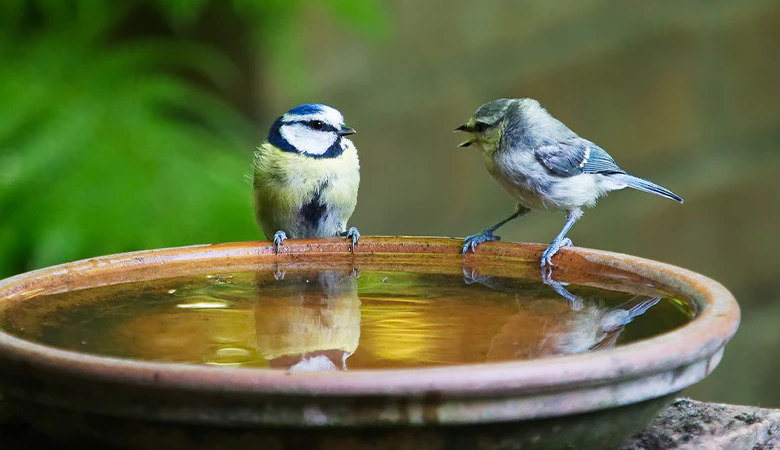
The blue tit is a small, lively bird that is commonly found in gardens, parks, and forests. With its blue head and wings and yellow breast, it is easy to recognize. It is known for its quick, agile behavior and cheerful appearance. Like the great tit, the blue tit is a resident bird and stays in the same area all year round. During the breeding season, blue tits mainly eat insects and caterpillars, while for the rest of the year they also feed on seeds and small nuts. They like to nest in nest boxes and are often seen in gardens where there is plenty of food and shelter.

Blue Tit

Characteristics

Body build: Small and lightweight bird with a round head, short neck, and a fine, pointed beak.
Colours and coat types: Blue crown and wings, white face with a dark eye stripe, and a yellow-green breast.
Weight: 9 - 12 g
Life Expectancy: 2 - 3 years
Health risks: Food shortages, harsh winters, diseases, parasites, and predation (such as cats and birds of prey).

Behaviour profile

Activity (daytime)
Visibility in the garden
Useful for the garden
Sensitivity to disturbance
Human affinity

Popular products for your garden

Habitat

Blue tits mainly live in gardens, parks, and forests where there are plenty of trees and shrubs. They need shelter for nesting and search for food mainly in branches and leaves. You can attract blue tits by creating a green, varied garden with shrubs and trees and by placing nest boxes. Sheltered spots help the blue tit to rest and breed safely.

Diet

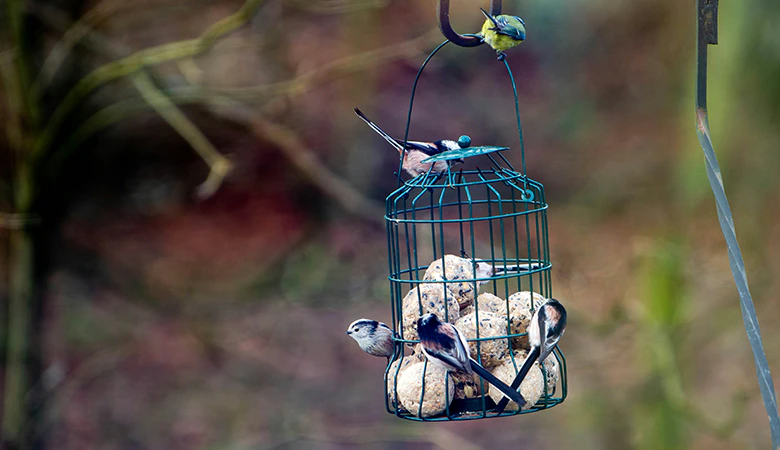
Blue tits mainly eat insects, caterpillars, seeds, and small nuts. In spring, insects are important for the growth of their young. In winter, they switch to seeds and high-fat foods. You can help by providing supplementary food such as small seeds, sunflower seeds, and fat-based products, especially during the colder months. Also make sure to always provide clean drinking water.

Role in the garden

Blue tits are very useful because they eat large numbers of insects and caterpillars. This helps keep the garden naturally balanced. In addition, they bring extra liveliness and colour.

Protection and points of attention

Blue tits depend on a safe and food-rich environment. The use of pesticides, for example against box tree moths, can reduce their food supply and may even be harmful if they eat contaminated insects. Predators (such as cats) and bad weather also pose risks. You can help the blue tit by choosing a pesticide-free garden, providing sufficient food and nesting opportunities, and cleaning nest boxes regularly.

All about the blue tit

How old does a blue tit live?

Blue tits live on average 2 to 3 years in the wild. Some birds can live longer, but many do not reach this age due to predation, food shortages, and harsh weather conditions.

How long does a blue tit incubate?

A blue tit incubates its eggs for about 12 to 14 days. After hatching, the chicks remain in the nest for approximately 16 to 21 days before fledging.

What does a blue tit look like?

A blue tit is a small, colourful bird with a blue cap, white cheeks, and a yellow belly. The wings and tail have a bluish colour, giving the bird its characteristic appearance.

What is the difference between a blue tit and a great tit?

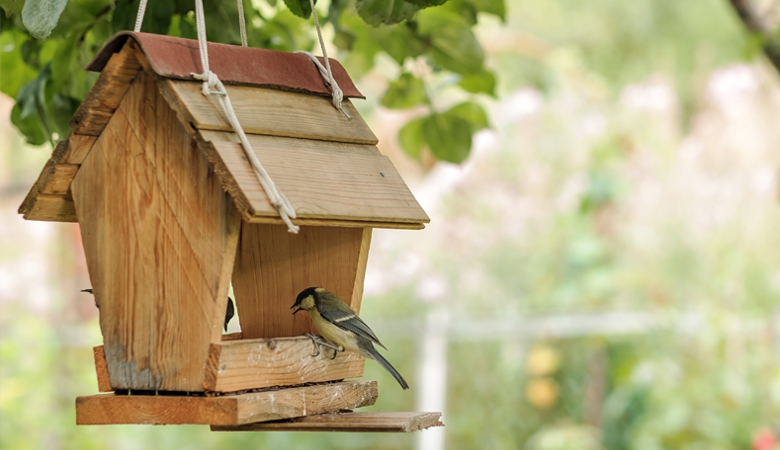
The blue tit is smaller than the great tit and has a distinctive blue cap on its head, while the great tit has a black head. The blue tit also has a lighter, finer pattern and a less pronounced black belly stripe.

What does a blue tit eat?

Blue tits mainly eat insects, caterpillars, and spiders, especially during the breeding season. In autumn and winter, they switch to seeds, nuts, and berries. In gardens, they also readily use fat balls and other bird food.

Where is the best place to hang a nest box for a blue tit?

A nest box for a blue tit is best placed in a quiet, sheltered location at a height of about 2 to 3 metres. Make sure the entrance hole is not facing direct sunlight and protect the box from rain and wind.

Read also our other blogs

More tips