Service
Basket
Menu
Up to 30% off during the Spring Deals Read more

Magpie

The magpie is a striking and intelligent bird that you often see in gardens, parks and open landscapes. With its black-and-white plumage and long tail, it is easy to recognise. In sunlight, the dark feathers can even show a blue-green sheen. Magpies are curious and social birds that spend a lot of time searching for food on the ground. They eat insects, worms, seeds, fruit and sometimes eggs or small animals. They also regularly visit bird tables in search of something to eat. Magpies are known for their intelligence and loudly warn each other of danger. Thanks to their adaptability, they often live close to people, as long as there is enough food and shelter available.

Magpie

Characteristics

Body build: Medium-sized bird with a slender body, long tail and a strong, straight beak.
Colours and coat types: Black-and-white plumage with a distinctive long tail. The black feathers often show a blue-green or purple sheen in sunlight. Males and females look almost identical.
Weight: 180 - 250 g
Life Expectancy: 3 - 5 years in the wild
Health risks: Food shortages, harsh winters, parasites, diseases and predation by birds of prey, cats and martens.

Behaviour profile

Activity (day)
Visibility in the garden
Beneficial for the garden
Sensitivity to disturbance
Human interaction

Popular products for your garden

Habitat

Magpies live in gardens, parks, agricultural areas and forest edges where there are plenty of trees and shrubs. They use tall trees to build their large nests and often search for food on the ground. You can attract magpies by providing a green garden with shelter, trees and quiet areas. Open lawns and natural corners are also attractive to these intelligent birds.

Diet

Magpies are omnivores and eat insects, worms, seeds, nuts, fruit and berries. They also sometimes eat eggs, carrion or small animals. In gardens, they also visit bird tables for bird food, fat products or leftover fruit. Especially in winter, they appreciate additional food sources. Always make sure fresh drinking water is available as well.

Role in the garden

Magpies help clear away insects, larvae and carrion, contributing to the natural balance in the garden. They also bring extra activity and are known for their intelligence and curious behaviour.

Protection and points of attention

Magpies adapt well to different habitats, but they still need sufficient food, water and shelter. The use of pesticides can reduce their food supply. Traffic, birds of prey and cats also pose risks. You can help magpies by creating a natural, pesticide-free garden with plenty of hiding places, trees and food sources.

All about the magpie

What does a magpie eat?

Magpies are omnivores and have a very varied diet. They eat insects, worms, snails, seeds, nuts, berries and fruit. They also sometimes eat eggs, small animals or carrion. In gardens, magpies also like to visit bird tables for bird food, fat products, peanuts or pieces of fruit.

What sound does a magpie make?

A magpie makes loud, harsh and rattling sounds. The most recognisable sound often resembles a loud “chak-chak-chak” or a sharp chattering noise. Magpies use these sounds to communicate with each other, warn one another of danger or defend their territory. They can be particularly noisy when something unusual is happening.

How old does a magpie live?

A magpie lives on average around 3 to 5 years in the wild. Many young magpies do not survive their first years due to predation, traffic, food shortages or disease. However, magpies that reach adulthood can live quite a long time. In exceptional cases, they can even live beyond 15 years.

When does a magpie build a nest?

Magpies usually start building their nests in early spring. This often takes place between February and April, depending on the weather and surroundings. They build large, sturdy nests high in trees or shrubs using twigs, mud and soft materials. Magpies sometimes use the same nest for several years in a row, expanding or repairing it over time.

How does a magpie fly?

A magpie flies with calm, powerful wingbeats and has an undulating flight pattern. Thanks to its long tail, it can steer well and maintain balance while flying. You will often see magpies flying low over the ground or between trees, where their black-and-white plumage stands out clearly.

What does a magpie look like?

A magpie is a medium-sized bird with a slender body, a long tail and a strong beak. Its plumage is black and white: the belly and shoulders are white, while the head, chest, wings and tail are black. In sunlight, the black feathers often show a beautiful blue-green or purple sheen. Thanks to its long tail and striking colours, the magpie is easy to recognise.

Also read our other blogs

How do you attract more birds to your garden?

Attracting more birds to your garden starts with providing the right conditions. Birds look for places where there is enough food, water and peace. When a garden does not provide this, birds are less likely to stay. By responding to what birds need, you can attract more birds to your garden and create a wide variety of bird species. This makes your garden an attractive place for different garden birds.
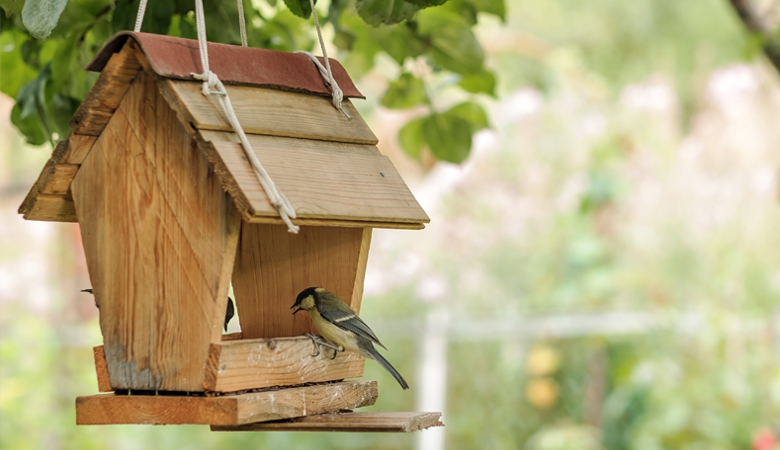
Bird at birdhouse

Feeding garden birds: What to feed and when?

It is recommended to feed garden birds all year round. Birds need energy throughout the entire year. In winter, they use energy to keep themselves warm; in spring, they need it for nesting, laying eggs, and raising their young. In autumn, they build up reserves to prepare for the winter. Birds stop eating once they are full. It is also a myth that birds forget how to find food for themselves.

Plants and gardening

Prepare your garden for spring: be careful with cocoa shell mulch and fertiliser

Most people are aware that chocolate is dangerous for dogs. A lot of dog owners take additional precautionary measures during Easter and Christmas, to prevent their furry friend from eating chocolate. However, plenty of people do not know that a harmful substance called theobromine can be found in various fertilisers and soil improvers. This is why we would like to make you aware of the dangers of this substance, which is often used when people prepare their gardens for the upcoming spring.

More tips