Service
Basket
Menu
5% off snacks with code SNACKS5 Read more

Squirrel

The squirrel is an agile and curious rodent that you increasingly see in gardens and parks. With its bushy tail and quick movements, it is a striking appearance. Squirrels are excellent climbers and spend much of their time in trees, where they search for food and build nests. They are mainly active during the day and store food for the winter. They mainly eat nuts, seeds, fruits and sometimes insects. By hiding food, they help spread seeds and support the growth of new plants.

Squirrel

Characteristics

Body build: Slender body with strong hind legs, sharp claws and a long, bushy tail for balance.
Colours and coat types: Reddish-brown to dark brown, with a light belly and often distinctive ear tufts in winter.
Weight: 200 - 350 g
Life Expectancy: 3 - 6 years
Health risks: Food shortage, traffic, predation, diseases and habitat loss.

Behavior profile

Activity (day)
Visibility in the garden
Useful for the garden
Sensitivity to disturbance
Human interaction
)

Popular products for your garden

Habitat

Squirrels prefer to live in forests, parks and gardens with plenty of trees. They build nests (so-called “dreys”) high in trees, where they rest and raise their young. You can attract squirrels by having trees, shrubs and quiet areas in your garden. Special squirrel food and feeders can also help, as long as they are placed safely.

Diet

Squirrels mainly eat nuts, seeds, buds, berries and fruits, occasionally supplemented with insects or mushrooms. They are known for storing food for the winter by hiding it in different places. You can help squirrels by offering unsalted nuts, seeds and special squirrel food, especially in autumn and winter.

Role in the garden

Squirrels play an important role in nature by spreading seeds and nuts. Not all the food they hide is found again, allowing new plants and trees to grow. They also bring liveliness and activity to your garden.

Protection and points of attention

Squirrels depend on a safe and green environment. Habitat loss and traffic are major risks for these small rodents. Dogs and cats can also pose a threat. You can help by providing a green garden with trees, avoiding the use of toxins, and offering extra food and water. Make sure feeding areas are safe and quiet so they feel comfortable.

Also read our other blogs

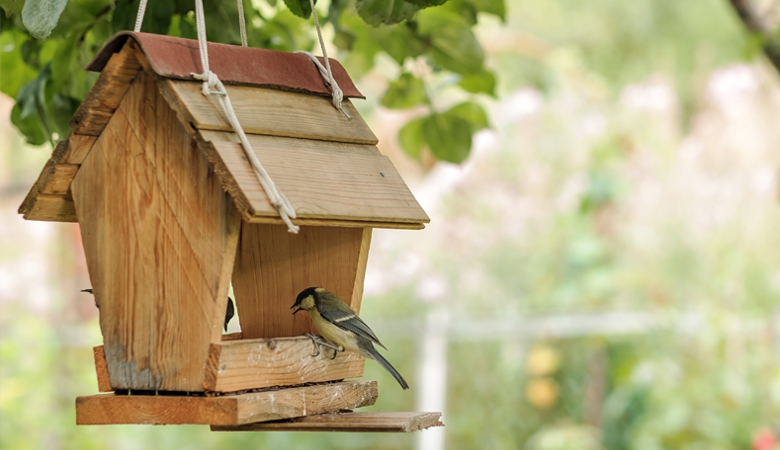
Bird at birdhouse

Feeding garden birds: What to feed and when?

It is recommended to feed garden birds all year round. Birds need energy throughout the entire year. In winter, they use energy to keep themselves warm; in spring, they need it for nesting, laying eggs, and raising their young. In autumn, they build up reserves to prepare for the winter. Birds stop eating once they are full. It is also a myth that birds forget how to find food for themselves.
Plants and gardening

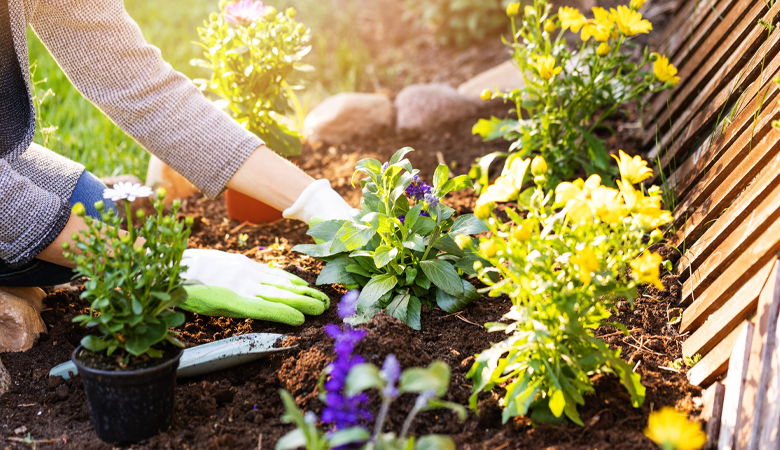
Prepare your garden for spring: be careful with cocoa shell mulch and fertiliser

Most people are aware that chocolate is dangerous for dogs. A lot of dog owners take additional precautionary measures during Easter and Christmas, to prevent their furry friend from eating chocolate. However, plenty of people do not know that a harmful substance called theobromine can be found in various fertilisers and soil improvers. This is why we would like to make you aware of the dangers of this substance, which is often used when people prepare their gardens for the upcoming spring.

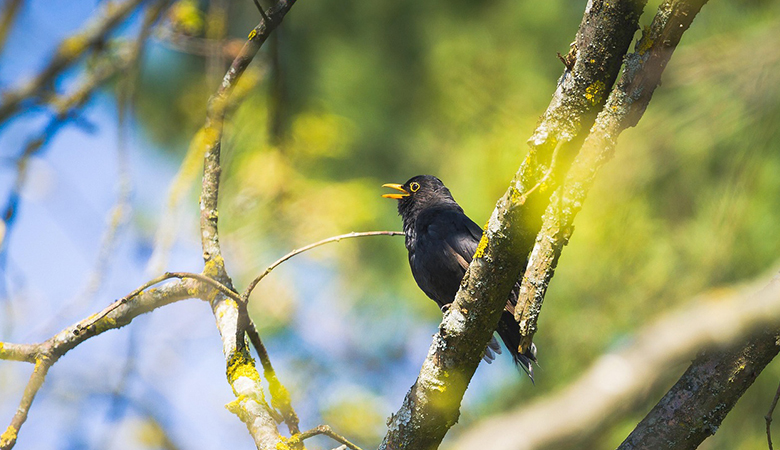
Blackbird

Found a young blackbird? Here’s what you should (and shouldn’t) do!

In spring and early summer, many young blackbirds are found in gardens, parks and on the streets. They are often sitting on the ground, cannot yet fly well and may look helpless. Many people therefore assume the chick has fallen from the nest and needs help. However, this is often not the case. In this blog you can read how blackbirds raise their young, why young blackbirds are often found on the ground, and when you should (or should not) intervene.

More tips